Lighting design lifestyle plays a much bigger role in everyday life than most people realize. Lighting is not only about visibility—it directly affects how people feel, think, and perform tasks throughout the day. From waking up in the morning to winding down at night, the type, intensity, and placement of light influence mood, energy levels, and mental clarity.
As modern life becomes increasingly indoor-focused, the importance of lighting continues to grow. Homes are no longer just places for rest; they are also workspaces, entertainment areas, and social environments. Because of this, the way lighting is designed can shape daily routines and overall well-being. Understanding how design lifestyle works allows homeowners to create spaces that support both relaxation and productivity.
Why Lighting Design Lifestyle Matters More Than Ever
In the past, lighting was treated as a purely functional element. A single overhead fixture was enough to illuminate a room, and little attention was given to how it affected human behavior. Today, this approach has changed significantly. Designers now consider lighting as part of the overall experience of a space.
The concept of lighting design lifestyle reflects this shift. It focuses on how lighting interacts with daily activities, emotional states, and physical comfort. For example, soft lighting can create a calm and relaxing environment, while brighter light can improve alertness and concentration.
One reason this topic has become more important is the amount of time people spend indoors. Work-from-home setups, digital entertainment, and urban living have reduced exposure to natural light. This makes artificial lighting the primary source of illumination for many people, increasing its impact on health and behavior.
Lighting also affects perception. A well-lit room can feel open and inviting, while poor lighting can make the same space feel uncomfortable or even stressful. Because of this, lighting design is now considered a key part of interior planning rather than a final step.
The Science Behind Light and Human Mood
Human bodies respond to light in complex ways. One of the most important systems affected by light is the circadian rhythm, which controls sleep and wake cycles. Sleep Foundation shows that exposure to bright light in the morning helps regulate energy levels, while reduced light in the evening signals the body to prepare for rest.
Different types of light can trigger different emotional responses. Warm light, which has a yellow or orange tone, is often associated with relaxation and comfort. Cool light, which appears more blue or white, is linked to alertness and focus. Because of this, choosing the right light temperature is essential for achieving the desired effect in a space.
Brightness also plays a role in mood. Dim lighting can create a calm atmosphere but may reduce concentration. On the other hand, very bright lighting can increase alertness but may feel harsh if not balanced properly. The key is to match lighting levels with the purpose of the room.
There is also a connection between light exposure and mental health. Lack of natural light has been linked to seasonal mood changes, especially in regions with long winters. Even in everyday situations, poor lighting can contribute to fatigue and reduced motivation.
Understanding these effects helps explain why lighting design in modern lifestyle is more than just a design choice—it is part of how people experience their environment on a daily basis.
How Lighting Shapes Home Ambiance
Lighting is one of the most powerful tools for creating home ambiance. The same room can feel completely different depending on how light is used. Instead of relying on a single light source, modern design uses multiple layers to create depth and balance.
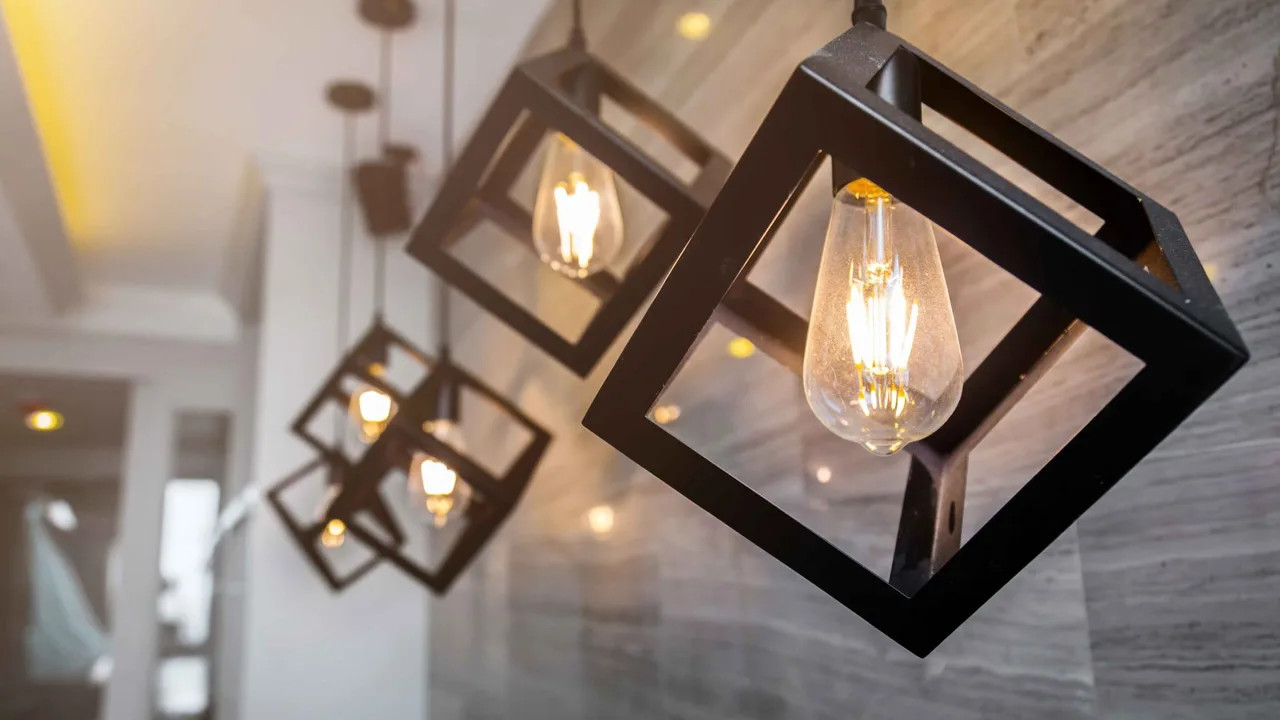
Ambient lighting provides general illumination and sets the base level of brightness. Task lighting focuses on specific activities such as reading, cooking, or working. Accent lighting highlights certain areas or objects, adding visual interest and character.
Shadows and contrast also influence how a space feels. Soft shadows can make a room feel cozy, while strong contrasts can create a more dramatic effect. The position of lights—whether they are placed overhead, at eye level, or near the floor—changes how surfaces and textures are perceived.
Color temperature is another important factor in creating ambiance. Warm lighting is often used in living rooms and bedrooms to promote relaxation, while cooler lighting is more suitable for kitchens and work areas where clarity is important.
By carefully combining these elements, lighting design lifestyle helps create spaces that match different moods and activities without changing the physical structure of a home.
Lighting Design Lifestyle in Work and Productivity
Lighting has a direct impact on productivity, especially in work environments. Poor lighting can cause eye strain, headaches, and reduced focus, while well-designed lighting supports concentration and efficiency.
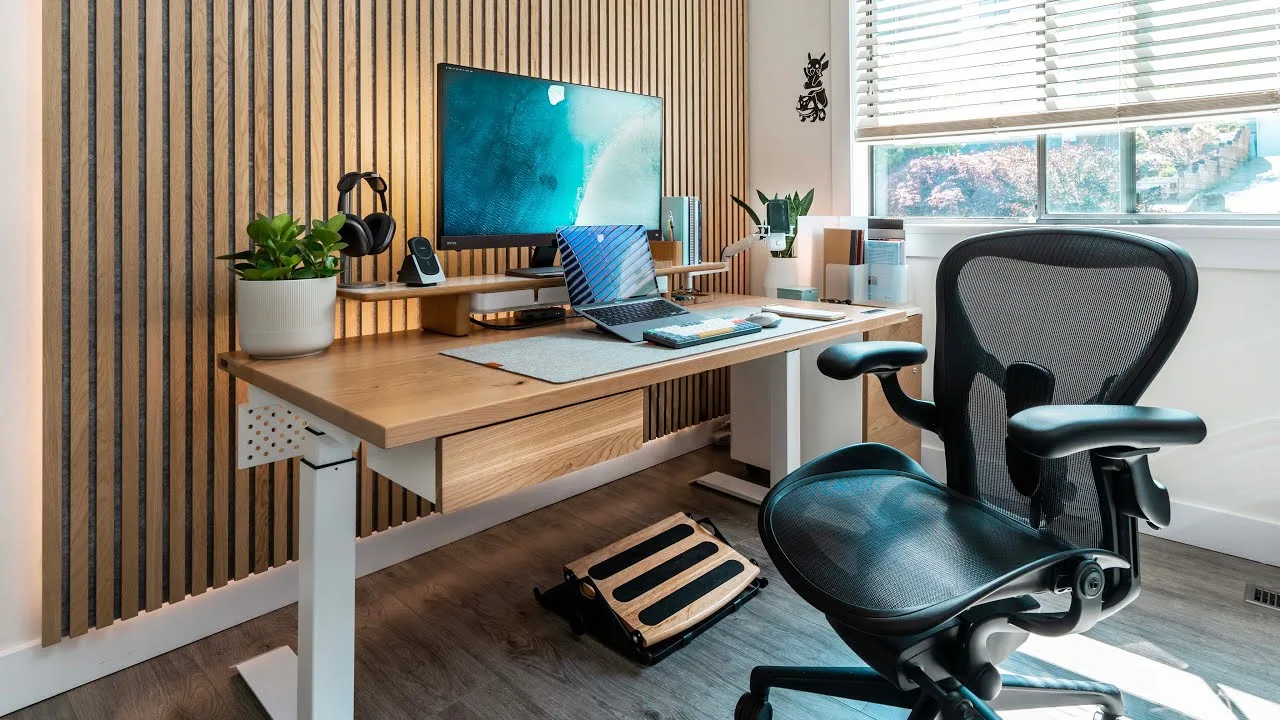
One of the most common issues in home offices is insufficient task lighting. Relying only on general room lighting can create shadows or glare on work surfaces. A dedicated light source for desks or workstations improves visibility and reduces strain on the eyes.
Screen exposure adds another layer of complexity. Computers, tablets, and phones emit blue light, which can affect sleep patterns if used late at night. Balancing screen light with surrounding lighting helps reduce discomfort and maintain focus.
Natural light is often considered the best option for productivity. Workspaces positioned near windows benefit from changing light conditions throughout the day, which helps regulate energy levels. However, natural light must be controlled to avoid glare and excessive brightness.
Artificial lighting can be adjusted to support different tasks. Brighter, cooler light is useful for activities that require attention and precision, while softer lighting can be used during breaks or less demanding tasks. This flexibility is a key part of lighting design lifestyle, allowing spaces to adapt to different needs.
Common Lighting Mistakes in Modern Homes
Despite advances in design, many homes still have lighting problems that affect comfort and usability. One of the most common mistakes is relying too heavily on overhead lighting. While ceiling fixtures provide general illumination, they often create uneven light distribution and harsh shadows.
Another issue is incorrect color temperature. Using very cool light in a bedroom can make the space feel uncomfortable, while overly warm light in a workspace may reduce clarity. Choosing the wrong type of light for a specific room can negatively affect both mood and function.
Ignoring natural light is also a missed opportunity. Windows, skylights, and reflective surfaces can enhance lighting without increasing energy use. When natural light is not considered in design, artificial lighting must compensate, which can lead to higher energy consumption and less balanced illumination.
Inconsistent lighting layouts are another problem. Rooms with uneven brightness or poorly placed fixtures can feel disorganized and uncomfortable. A well-planned lighting system ensures that each area of a home has the right level of light for its purpose.
Avoiding these mistakes is essential for creating a balanced lighting design lifestyle that supports both comfort and functionality.
How to Design Lighting for Different Spaces
Each area of a home serves a different purpose, which means lighting should be adapted accordingly. A one-size-fits-all approach rarely works when trying to create a balanced lighting design lifestyle. Instead, each room should have its own lighting strategy based on how it is used throughout the day.
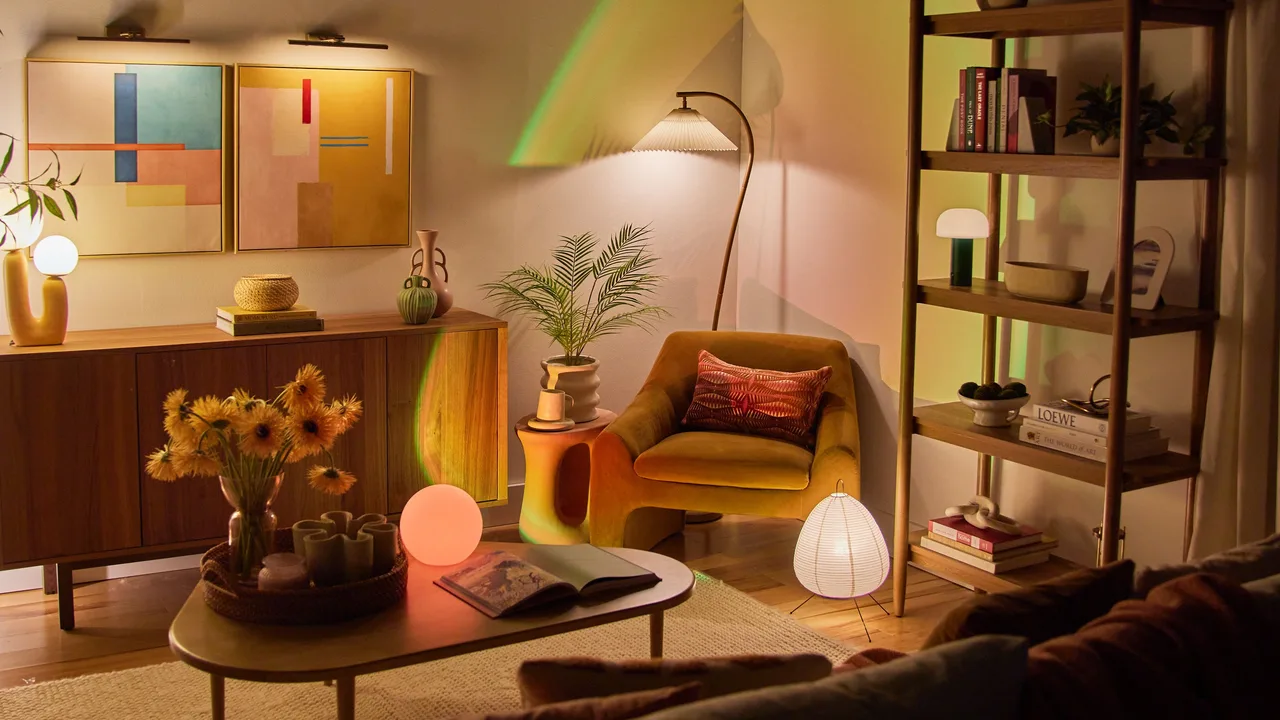
In the living room, lighting should be flexible. This space is often used for relaxing, socializing, and entertainment, so a combination of ambient and accent lighting works best. Floor lamps, wall lights, and dimmable fixtures can help adjust the atmosphere depending on the activity.
Bedrooms require a softer approach. Warm, low-intensity lighting helps create a calm environment that supports rest. Bedside lamps are more practical than bright ceiling lights, especially for reading or winding down in the evening.
Kitchens need brighter and more focused lighting. Task lighting above countertops, sinks, and cooking areas improves safety and efficiency. Without proper illumination, even simple tasks can become difficult.
Workspaces should prioritize clarity and comfort. Adjustable desk lamps and well-positioned overhead lighting reduce eye strain and improve productivity. Combining natural light with artificial sources creates a more balanced environment for extended work sessions.
By adjusting lighting based on function, lighting design lifestyle helps each room perform better without requiring major structural changes.
Smart Lighting and Modern Living
Technology has transformed how lighting is used in everyday life. Smart lighting systems allow users to control brightness, color temperature, and timing through apps or automated settings. These systems are becoming a central part of modern living spaces.
One of the biggest advantages of smart lighting is adaptability. Lights can automatically adjust throughout the day, becoming brighter in the morning and softer in the evening. This helps align indoor environments with natural rhythms, even in spaces with limited sunlight.
Automation also improves convenience. Lights can turn on when someone enters a room or adjust based on activity. For example, a workspace can switch to cooler light during working hours and transition to warmer tones later in the day.
Smart lighting also contributes to energy efficiency. By using sensors and timers, unnecessary energy consumption can be reduced. This makes it easier to maintain a balanced lighting design lifestyle while lowering electricity use.
Can Lighting Really Improve Productivity and Well-Being?
Lighting has a measurable effect on focus and comfort, but it is not a complete solution on its own. While good lighting can improve visibility and reduce strain, overall well-being depends on multiple factors, including sleep, environment, and daily habits.
For example, even the best lighting setup cannot fully compensate for poor sleep patterns or excessive screen time. However, when combined with healthy routines, proper lighting can support better performance and mood.
Studies on workplace environments show that improved lighting conditions can lead to higher efficiency and reduced fatigue. Employees working in well-lit spaces often report better concentration and fewer errors. This demonstrates the practical impact of lighting beyond aesthetics.
At home, lighting can influence relaxation and stress levels. Softer lighting in the evening helps signal the body to slow down, while brighter light during the day supports alertness. These adjustments may seem simple, but they play an important role in shaping daily experiences.
Because of this, lighting design lifestyle should be seen as part of a broader approach to creating comfortable and functional living spaces.
Future Trends in Lighting Design Lifestyle
The future of lighting design lifestyle is moving toward more personalized and responsive systems. Instead of static lighting setups, homes are becoming environments that adapt to individual needs in real time.
Human-centric lighting is one of the most important trends. This approach focuses on aligning artificial light with natural biological cycles. By adjusting brightness and color temperature throughout the day, lighting systems can support better sleep, energy levels, and overall health.
Biophilic design is also influencing lighting strategies. This concept integrates natural elements into indoor spaces, including light patterns that mimic sunlight. For example, dynamic lighting systems can replicate the gradual changes of daylight, creating a more natural indoor experience.
Artificial intelligence is expected to play a larger role as well. Future lighting systems may learn user preferences and automatically adjust settings based on behavior. This level of personalization can make spaces more comfortable without requiring manual control.
Another trend is the integration of lighting with other smart home systems. Lighting can work together with climate control, security, and entertainment systems to create a fully connected environment. This integration enhances both convenience and efficiency.
As technology continues to evolve, lighting will become more than just a functional element. It will act as an active part of the environment, shaping how people feel, work, and interact with their surroundings. This ongoing evolution reinforces the importance of thoughtful lighting design lifestyle in modern living.