The rise of the hybrid work trend marks one of the most profound shifts in how people live and work in modern history. What began as an emergency response to the pandemic has evolved into a preferred way of life for millions. As companies reimagine their operations, employees are rethinking what balance, purpose, and flexibility truly mean. This transformation extends beyond office walls—reshaping homes, cities, and the rhythms of daily living.
Introduction — The New Normal of Work and Life
Before 2020, the idea of working from home was often seen as a privilege for freelancers or digital professionals. Today, it’s the norm across industries. The hybrid work trend has blurred the boundaries between professional and personal life, introducing new habits, expectations, and challenges. Employees have learned that productivity isn’t limited by geography—and organizations have discovered that flexibility doesn’t have to mean a loss of control.
As the remote culture grows, the traditional office no longer symbolizes productivity. Instead, it becomes one part of a flexible ecosystem designed for connection and collaboration rather than control. The result is a cultural revolution that affects how people design their homes, spend their time, and even plan their futures.
Understanding the Hybrid Work Trend
What Hybrid Work Really Means
Hybrid work isn’t just about working from home occasionally. It’s a dynamic approach that blends physical and digital environments to create a seamless workflow. In a typical hybrid model, employees might spend two or three days at the office and the rest remotely, depending on project needs and personal preference. Some companies adopt a “remote-first” structure, where office spaces serve as creative hubs rather than mandatory workplaces.
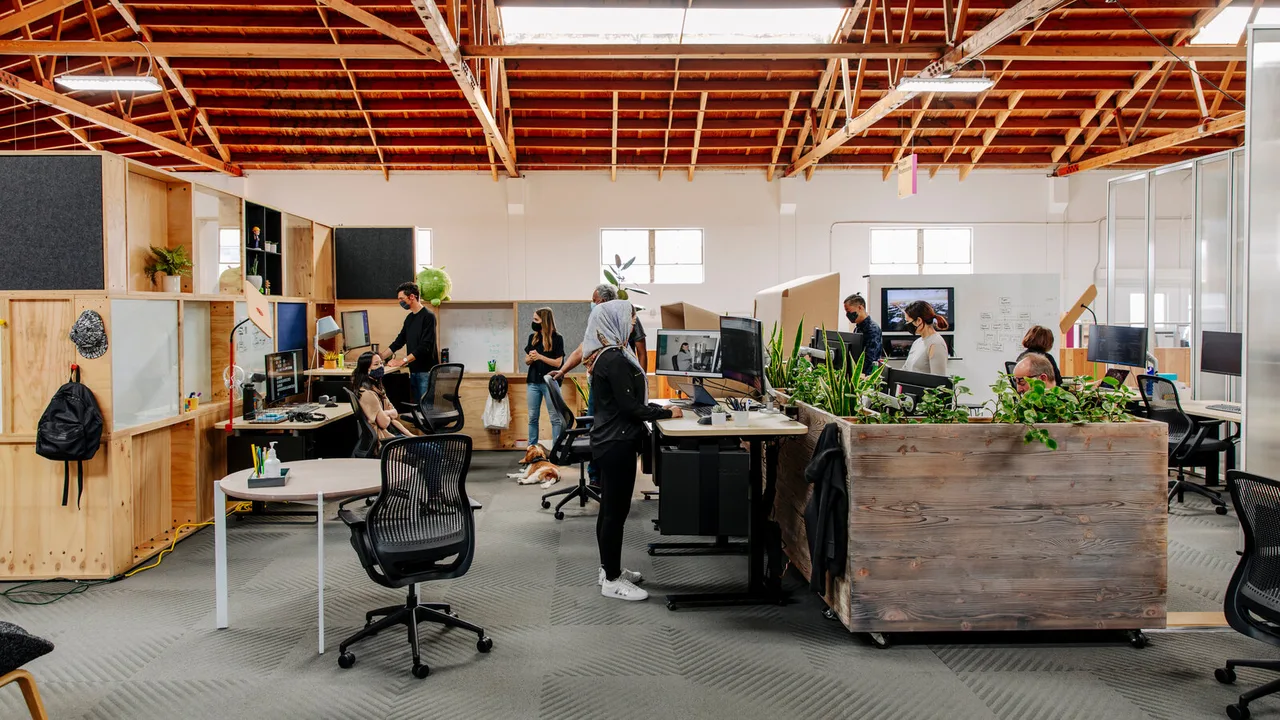
This evolution relies heavily on digital tools. Cloud-based collaboration platforms, video conferencing, and shared workspaces allow people to connect in real time from anywhere. The growing emphasis on office flexibility has also led architects and interior designers to rethink what the workplace should look like—less cubicles, more open zones for teamwork and creativity.
Why Employees Embrace Hybrid Work
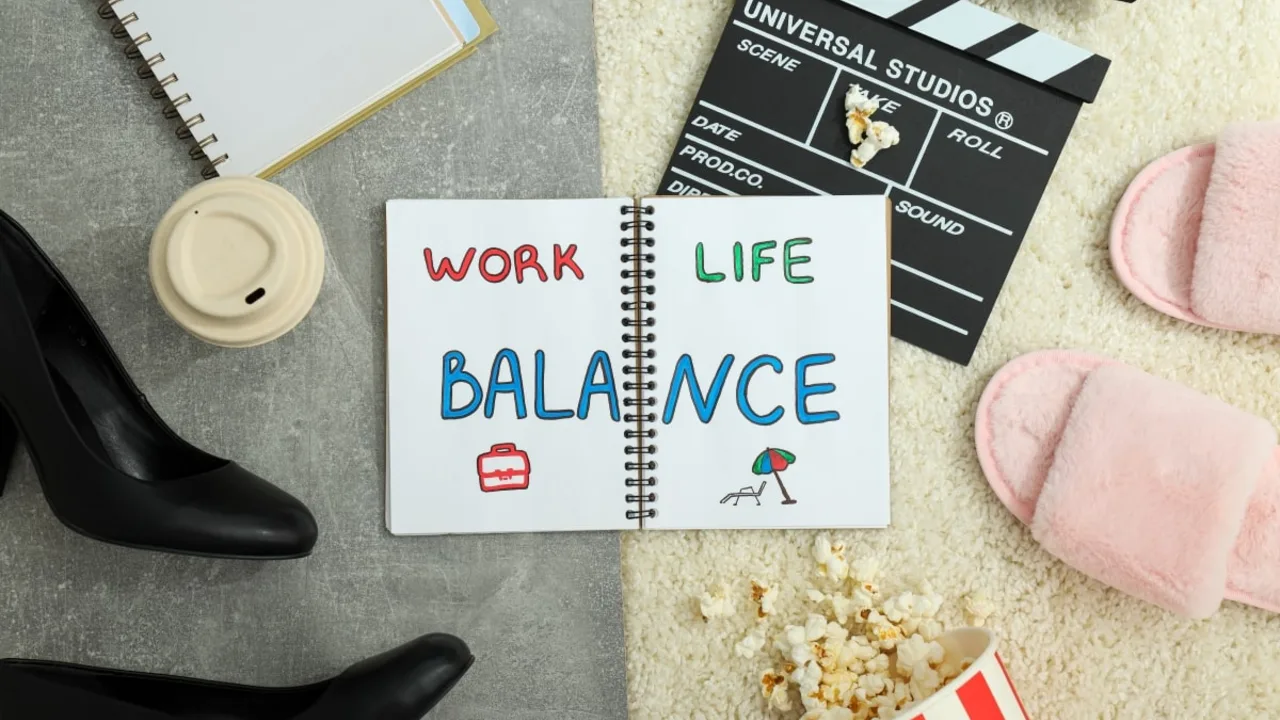
For workers, the benefits of hybrid arrangements are clear: reduced commuting time, lower stress, and more control over their daily routines. Surveys show that flexibility consistently ranks as one of the top factors influencing job satisfaction. Employees can now design their schedules around family, wellness, and personal priorities—something nearly impossible in the old 9-to-5 structure.
There’s also a psychological benefit. Remote environments often encourage deeper focus and independent thinking, while in-office collaboration days foster social connection. This combination creates a balanced dynamic where productivity and creativity reinforce each other. In essence, the hybrid work trend represents the best of both worlds.
The Impact on Urban and Domestic Lifestyles
Redefining Home Spaces
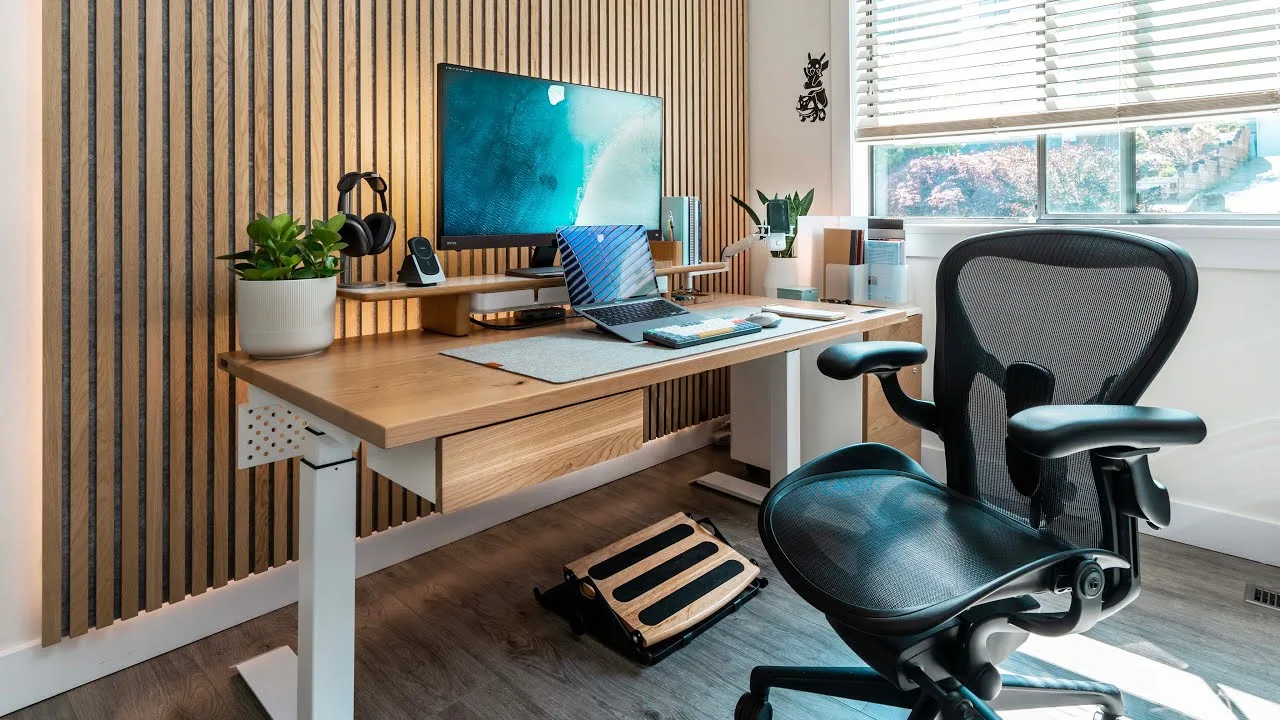
Homes are no longer just places to rest—they’ve become multi-functional environments blending work, leisure, and family. With the spread of hybrid work, living spaces are being redesigned to include dedicated offices, soundproof zones, and ergonomic furniture. The global rise of remote interior trends—like modular desks and biophilic design—reflects this new reality.
Even property developers are adapting. Real estate listings now highlight “home office-ready” layouts, while furniture brands market adaptable solutions for compact spaces. What used to be a spare room or dining corner is now an essential productivity zone. The architecture of everyday life is changing to fit the hybrid identity.
Changing Urban Dynamics
The shift toward flexible work has reshaped city behavior. Daily commutes have declined, reducing congestion and emissions. As people spend fewer days downtown, small businesses that once relied on office crowds—cafés, dry cleaners, and lunch spots—are transforming their models. Suburban areas and smaller cities are benefiting from an influx of professionals seeking space, affordability, and nature.
Interestingly, governments and urban planners are beginning to see hybrid work as a long-term structural change. Fewer daily commuters mean cities can reallocate space—turning parking zones into parks or bike lanes, and converting office towers into residential buildings. Reports from the McKinsey Global Institute suggest that urban adaptation to remote work could reshape real estate and labor markets for decades to come.
The Psychology Behind Remote Culture
Balancing Freedom and Structure
Freedom is the greatest gift of hybrid work—but also its biggest challenge. The absence of physical supervision requires new habits of self-discipline and communication. Many employees initially struggled with motivation and structure when working remotely. Over time, successful hybrid teams learned that structure doesn’t mean rigidity; it means clarity, shared expectations, and rhythm.
To avoid burnout, companies are implementing “anchor days,” when all employees work on-site for team building and strategy sessions. These gatherings restore the human connection that pure remote work often lacks. Hybrid models thrive when freedom is balanced by intentional collaboration.
Digital Wellness in a Connected World
As the remote culture matures, digital overload has become a real concern. The same tools that enable connectivity can also blur personal boundaries. Endless video calls, after-hours messages, and constant notifications can lead to fatigue and stress. Experts now emphasize the importance of digital wellness—encouraging employees to set limits, schedule screen breaks, and prioritize mental health.
- Establish a “shutdown ritual” at the end of the workday.
- Turn off notifications after working hours.
- Designate a separate physical space for work to mentally disconnect.
- Incorporate micro-breaks to prevent digital fatigue.
These small adjustments make hybrid work more sustainable—not just for productivity, but for well-being too. As technology continues to evolve, the key to success will lie in using it intentionally rather than constantly.

How Companies Are Adapting to the Hybrid Model
Rethinking Management and Productivity
For employers, the hybrid work trend has redefined what it means to manage and measure performance. Instead of focusing on hours spent at a desk, organizations now emphasize results and outcomes. Managers are learning to trust employees based on deliverables, not visibility. This shift requires new leadership skills—empathy, digital communication, and the ability to inspire teams across screens.
Tools like project dashboards, asynchronous communication platforms, and performance analytics have become essential for maintaining accountability. Yet even with technology, the human side of management remains vital. Leaders who cultivate open communication and psychological safety often find their teams outperform those bound by traditional rules.
Building Inclusive Work Environments
The hybrid model also presents a unique opportunity for inclusivity. Office flexibility allows organizations to tap into diverse talent pools, hiring individuals from different locations, backgrounds, and life situations. Working parents, caregivers, and people with disabilities benefit from reduced commuting stress and adaptable hours.
However, inclusivity requires intention. Companies must ensure that remote workers aren’t left out of key conversations or promotions. Many successful firms now adopt “digital-first” meeting structures—where everyone joins virtually, even if some are in the same room—to maintain equality in participation. Diversity and inclusion are no longer HR slogans; they’re operational principles embedded in modern work design.
Hybrid Work and Technology Integration
The Tools Enabling Remote Culture
Without technology, hybrid work simply couldn’t exist. From collaborative software to AI-powered scheduling tools, digital systems have become the backbone of the modern workplace. Platforms like Zoom, Slack, and Notion allow employees to stay connected in real time, while cloud storage ensures that information flows smoothly between teams and time zones.
Emerging technologies are also pushing the limits of what’s possible. Virtual reality (VR) and augmented reality (AR) are being tested to create immersive meeting experiences, allowing participants to interact as holograms or within 3D environments. Smart office systems adjust lighting, temperature, and occupancy automatically, blending comfort with efficiency. In short, technology is no longer just a tool—it’s the workplace itself.
Data Security and Privacy Concerns
Yet with increased connectivity comes higher risk. Cybersecurity has become a top concern as employees access corporate data from home networks and personal devices. IT departments are now implementing multi-factor authentication, encrypted file-sharing, and secure VPNs to safeguard information. Regular training helps employees recognize phishing attempts and practice safer digital habits.
Balancing convenience with security is an ongoing challenge. Too many restrictions can frustrate workers, while lax policies can lead to breaches. The solution lies in adaptive security frameworks—systems that respond intelligently to user behavior, ensuring safety without compromising productivity.
Long-Term Lifestyle Shifts from the Hybrid Work Trend
Redefining Success and Career Mobility
As hybrid work becomes permanent, it’s changing how people define success. Career growth is no longer measured by physical presence or desk time but by innovation, results, and adaptability. Employees now value autonomy as much as compensation. Many have used this freedom to start side projects, explore freelancing, or relocate to places that align with their lifestyle rather than their office location.
This rise of flexibility has also given birth to a new generation of “global citizens.” Professionals can live in one country and work for a company in another, creating a truly borderless workforce. The remote culture has turned geography into a choice, not a constraint, expanding career mobility in ways previously unimaginable.
The Future of Work-Life Design
In the years ahead, hybrid work will continue to evolve. Some experts predict the normalization of four-day workweeks and results-only work environments. The focus is shifting from hours to impact—from attendance to achievement. As technology grows more sophisticated, AI-driven task management and digital assistants could help employees achieve deeper focus and better time balance.
For many, this evolution represents more than convenience—it’s a lifestyle upgrade. Families have more time together. Communities thrive as people invest energy locally rather than losing hours to commutes. The hybrid model has restored one of humanity’s most valuable assets: time.
Conclusion — The Hybrid Life Revolution
The hybrid work trend is not a temporary experiment—it’s the blueprint for the future of living and working. It blends independence with connection, digital efficiency with human empathy. By embracing flexibility, companies and individuals alike are discovering that productivity and well-being don’t have to compete—they can coexist.
As technology continues to evolve and society adapts, hybrid work will become less about where we work and more about how we live. This balance of autonomy and collaboration is transforming the global workforce into something more sustainable, inclusive, and deeply human.