
Modern lifestyle is increasingly urban, fast-paced, and digitally driven. While cities offer economic opportunity and cultural energy, they can also introduce stress, noise, and constant mental stimulation. As a result, many researchers and urban planners are paying closer attention to the relationship between nature and mental well-being. The concept of green spaces wellness highlights how access to natural environments can positively influence emotional balance and psychological health.
From quiet gardens to large public urban parks, natural environments provide spaces where people can pause, recharge, and reconnect with their surroundings. These environments are also closely associated with nature therapy, an approach that encourages intentional time outdoors as part of maintaining mental health.
As cities continue expanding, integrating green spaces into daily life is becoming an essential part of building healthier communities.
Why Nature Matters for Mental Well‑Being
For most of human history, daily life was closely connected to natural landscapes. Forests, rivers, and open land formed the backdrop of everyday activity. In contrast, modern urban living often limits contact with nature, replacing natural scenery with buildings, traffic, and digital screens.
This shift has prompted renewed interest in the mental health benefits of natural environments. The idea behind green spaces wellness is simple: spending time in natural surroundings can help regulate stress levels, restore attention, and improve mood.
In many cities, accessible urban parks now serve as critical spaces where residents can experience these benefits. These areas offer opportunities for relaxation, exercise, and social interaction while reducing the psychological pressure associated with dense urban environments.
Nature therapy practices—such as mindful walking, gardening, or quiet observation of natural scenery—are increasingly recommended as complementary approaches to maintaining emotional well-being.
The Science Behind Green Spaces and Mental Health
How Nature Affects the Brain
Scientific research has increasingly explored how exposure to natural environments influences brain activity. Studies suggest that spending time outdoors can reduce cortisol levels, a hormone associated with stress.
Natural settings also activate areas of the brain related to calmness and attention. Unlike busy urban environments that demand constant focus, natural landscapes often produce what psychologists describe as “soft fascination.” This gentle form of attention allows the brain to recover from mental fatigue.
These findings support the broader concept of green spaces wellness, showing that natural environments can act as restorative settings for cognitive and emotional recovery.
Psychological Benefits of Nature Therapy
Nature therapy encourages people to engage intentionally with outdoor environments. Activities such as walking through wooded paths, spending time near water, or simply sitting in a garden can produce measurable psychological benefits.
Common outcomes associated with nature therapy include:
- Reduced feelings of anxiety and stress
- Improved emotional stability
- Greater sense of calm and relaxation
- Enhanced concentration and clarity
These effects are particularly significant for individuals living in dense metropolitan areas where everyday environments may lack natural elements.
Urban Parks as Mental Health Infrastructure
The Role of Urban Parks in Modern Cities
Public parks have long served as important recreational areas, but their significance has expanded in recent years. Today, many planners view urban parks as essential components of public health infrastructure.
Accessible green areas provide residents with places to walk, exercise, or simply unwind after work. These experiences support the broader goal of green spaces wellness by offering regular opportunities for contact with nature.
In addition to personal well-being, parks often strengthen social connections. Community gatherings, outdoor events, and shared recreational activities encourage interaction among neighbors.
Designing Cities Around Green Spaces Wellness
Urban planners are increasingly integrating natural landscapes into city design. Rather than isolating parks in specific districts, many cities now create green corridors that link multiple outdoor spaces together.
These networks allow residents to move through the city while staying connected to natural environments. Walking trails, tree-lined streets, and riverside pathways contribute to daily exposure to nature.
By embedding green spaces into the urban fabric, cities make it easier for residents to experience the mental health benefits associated with nature therapy.
Everyday Activities That Support Nature Therapy
While large parks and nature reserves provide significant benefits, small daily interactions with nature can also contribute to well-being. Even brief exposure to greenery may improve mood and reduce mental fatigue.
Common activities that support nature therapy include:
- Walking or jogging in nearby parks
- Outdoor yoga or exercise sessions
- Gardening in community or home gardens
- Reading or relaxing in natural settings
These experiences do not require extensive travel or special equipment. Instead, they rely on consistent access to green spaces within the community.
As awareness of green spaces wellness grows, many individuals are intentionally incorporating outdoor time into their daily routines.
How Natural Environments Improve Productivity and Creativity
Mental Reset and Cognitive Recovery
Work environments often demand continuous attention, problem solving, and digital engagement. Over time, this intensity can lead to cognitive fatigue. Spending time outdoors provides a valuable mental reset.
Exposure to natural landscapes allows the brain to recover from prolonged focus. After spending time in parks or gardens, many people report improved concentration and clearer thinking.
This restorative effect explains why workplaces and universities are increasingly incorporating green spaces into their campuses.
Creative Thinking and Natural Environments
Natural settings can also stimulate creativity. When individuals step away from structured environments and digital distractions, their minds become more open to new ideas.
Research highlighted by the American Psychological Association suggests that spending time in nature can enhance cognitive flexibility and creative problem solving. These findings reinforce the importance of green spaces wellness in both personal and professional contexts.
For many people, a short walk through a park can provide the mental clarity needed to approach challenges from fresh perspectives.
Green Spaces and Community Well‑Being
Strengthening Social Connections
Beyond individual benefits, natural environments also influence how communities interact. Accessible outdoor areas encourage people to gather, exercise, and socialize in shared spaces. These interactions help reduce the sense of isolation that can sometimes accompany urban living.
Public gardens and urban parks often serve as community anchors. Families meet for picnics, neighbors walk together, and local events bring residents into the same environment. These everyday encounters strengthen social cohesion while supporting the broader goals of green spaces wellness.
When communities have reliable access to nature, outdoor spaces become places where relationships develop and shared experiences emerge.
Reducing Urban Stress and Isolation
Urban environments can sometimes create feelings of disconnection. High population density combined with busy schedules may limit opportunities for meaningful interaction. Green spaces help counterbalance this dynamic by providing calm, welcoming environments where people can slow down.
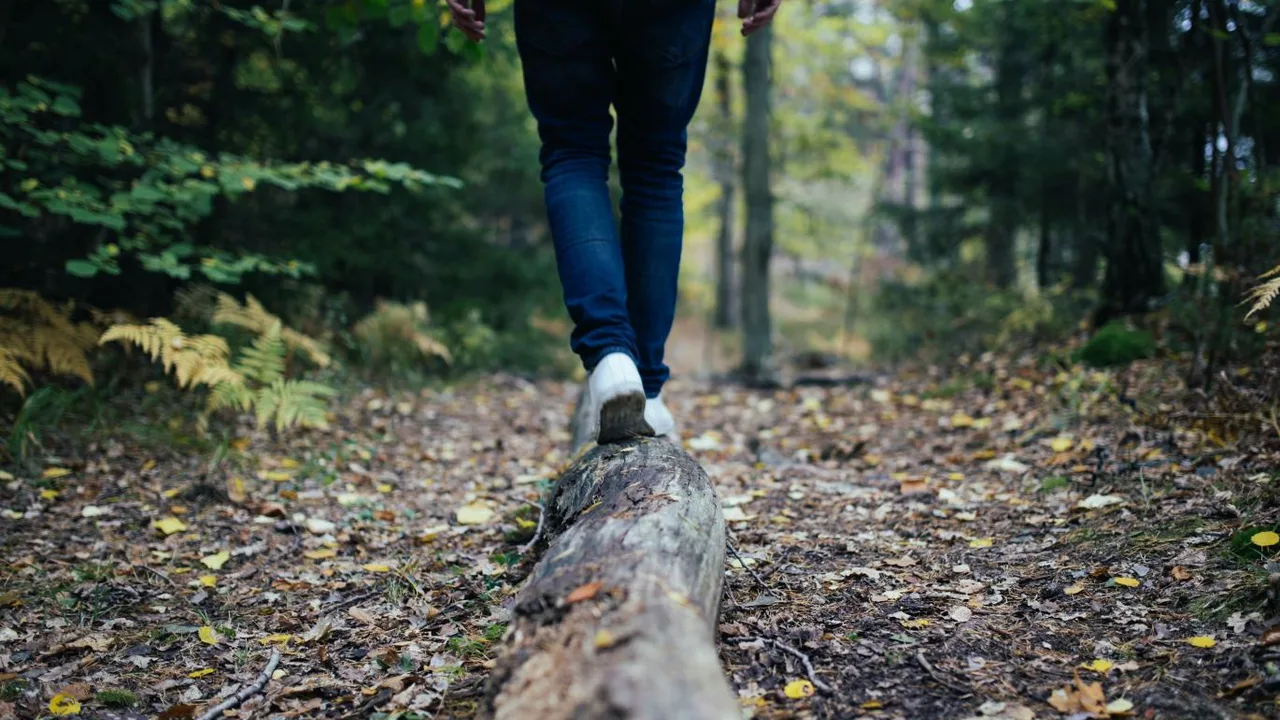
Nature therapy practices—such as mindful walking or simply sitting under trees—encourage individuals to step away from digital distractions and reconnect with their surroundings. These experiences support both emotional stability and social well‑being.
Over time, communities that prioritize natural environments tend to report higher levels of life satisfaction and neighborhood engagement.
Urban Environment vs Nature‑Integrated Environment
| Urban Environment Without Green Spaces | Nature‑Integrated Urban Environment |
|---|---|
| High visual density of buildings and traffic | Balanced landscapes with trees and gardens |
| Limited outdoor relaxation areas | Accessible parks and natural walking paths |
| Higher perceived stress levels | Improved mood and emotional recovery |
| Fewer opportunities for community gathering | Shared recreational spaces for residents |
This comparison highlights why planners increasingly consider urban parks and natural corridors essential components of city design. Incorporating greenery improves both environmental quality and psychological comfort.
Challenges in Expanding Urban Green Spaces
Despite clear benefits, expanding natural areas within cities can be challenging. Rapid urbanization often places pressure on land availability, making it difficult to allocate large spaces for parks and gardens.
Some common obstacles include:
- Limited urban land: densely developed areas leave little room for new parks.
- Development priorities: commercial or residential projects often compete for space.
- Maintenance costs: parks require ongoing care and funding.
- Uneven access: some neighborhoods may lack nearby natural environments.
Addressing these challenges requires collaboration between city governments, planners, and communities. Creative solutions—such as rooftop gardens or green corridors—are helping cities expand access to nature even within dense environments.
The Future of Green Cities
Biophilic Urban Design
One emerging approach to urban development is biophilic design. This philosophy focuses on integrating natural elements directly into architecture and infrastructure. Buildings may include green walls, rooftop gardens, or natural ventilation systems that connect occupants with outdoor environments.
These strategies expand opportunities for green spaces wellness even in highly developed areas. Instead of separating nature from city life, biophilic design blends the two together.
Examples include residential buildings with shared rooftop gardens, office spaces overlooking landscaped courtyards, and pedestrian streets lined with trees.
Policy and Public Health Initiatives
Governments around the world increasingly recognize the health benefits associated with accessible green environments. Many cities now include park development and tree‑planting programs in long‑term urban planning strategies.
Investments in nature‑based infrastructure are often framed as both environmental and public health initiatives. By improving access to outdoor environments, cities support community well‑being while also addressing climate resilience.
These policies reflect a growing understanding that nature therapy and urban planning can work together to improve quality of life.
Nature as a Mental Health Resource
Natural environments play a powerful role in supporting emotional balance and cognitive recovery. The concept of green spaces wellness highlights how access to trees, gardens, and open landscapes can reduce stress and enhance mental clarity.
Through accessible urban parks and everyday opportunities for nature therapy, cities can create environments that encourage relaxation, creativity, and social connection. Even small interactions with greenery—such as walking along a tree‑lined path—can provide meaningful psychological benefits.
As urban populations continue to grow, prioritizing green infrastructure will become increasingly important. By integrating natural landscapes into daily life, communities can build cities that support both environmental sustainability and human well‑being.