

Modern life is powered by screens. From the moment we wake up to the last few minutes before sleep, notifications, messages, and endless content compete for our attention. While technology promises convenience, it often delivers distraction. This is where digital minimalism enters the conversation—not as a rejection of technology, but as a smarter, more intentional way to live with it.
Simplifying your digital life doesn’t mean deleting every app or going off-grid. It means learning how to use technology in a way that supports your values, protects your focus, and gives you back time. In this guide, we’ll break down practical, realistic ways to reduce digital noise and build healthier relationships with your devices.
Why Digital Overload Is the New Normal
Digital overload didn’t happen overnight. Smartphones, social media, remote work tools, and streaming platforms slowly became essential parts of daily life. High screen time has become the default, not the exception, with behavioral research from the American Psychological Association highlighting its impact on attention, sleep quality, and mental well-being.
The result? Shorter attention spans, mental fatigue, and difficulty focusing on deep or meaningful tasks. Many people feel busy all day yet strangely unfulfilled. Digital minimalism responds to this problem by encouraging deliberate technology use—keeping what adds value and removing what doesn’t.
What Is Digital Minimalism and Why It Matters
The Philosophy Behind Digital Minimalism
Digital minimalism is a lifestyle approach that prioritizes intentional technology use. Instead of letting apps and platforms dictate behavior, you decide how and when technology fits into your life. The goal isn’t fewer tools for the sake of simplicity, but better tools that align with your goals.
This philosophy asks one core question: does this technology genuinely improve my life? If the answer is unclear, it’s likely contributing to distraction rather than value. Over time, this mindset helps people regain control over attention, time, and mental energy.
The Cost of Constant Screen Time
Excessive screen time affects more than productivity. Studies consistently link prolonged screen exposure to sleep disruption, anxiety, and reduced ability to concentrate. When digital input never stops, the brain rarely enters a state of rest or deep focus.
This is why building strong focus habits is essential. Without boundaries, even the most useful tools become sources of stress. Digital minimalism helps create those boundaries in a sustainable way.
Way #1 — Audit Your Digital Life Honestly
The first step toward digital minimalism is awareness. Most people underestimate how much time they spend online or how many digital tools they actually use. Start by auditing your digital environment honestly.
Look at your phone, computer, and tablet. List your apps, subscriptions, newsletters, and platforms. Then ask simple questions: When did I last use this? Does it solve a real problem? Does it support my personal or professional goals?
This process often reveals digital clutter—apps installed “just in case,” tools that duplicate functions, and platforms used out of habit rather than intention. Awareness creates clarity, and clarity makes change easier.
Way #2 — Reduce Screen Time With Clear Boundaries
Trying to rely on willpower alone rarely works. Instead, set clear boundaries around screen time. Decide when screens are allowed and when they aren’t. For example, no phone during meals or no social media after a certain hour.
Boundaries work because they remove decision fatigue. When rules are simple, habits follow naturally. Over time, these limits help rewire your relationship with technology, making space for focus and rest.
Way #3 — Delete Apps That Don’t Add Real Value
Apps are designed to keep you engaged, not necessarily fulfilled. One of the most effective digital minimalism practices is deleting apps that don’t provide clear value. This doesn’t require dramatic gestures—just honest evaluation.
If an app primarily encourages passive scrolling or constant checking, it likely undermines your focus habits. Removing it creates immediate relief and reduces mental clutter. Most people discover they don’t miss these apps nearly as much as they expect.
Way #4 — Simplify Notifications Ruthlessly
Notifications fragment attention more than almost anything else. Each alert interrupts thought, breaks concentration, and trains the brain to expect constant stimulation. Simplifying notifications is a foundational step in digital minimalism.
Disable non-essential notifications completely. Keep only those that are truly time-sensitive, such as direct messages from close contacts or critical work alerts. When your phone stops buzzing constantly, your ability to focus improves almost immediately.
Way #5 — Build Strong Focus Habits
Reducing digital noise is only half the equation. The other half is building strong focus habits. This means creating conditions that allow deep, uninterrupted work or rest.
Single-tasking is a powerful starting point. Instead of juggling multiple apps and tabs, focus on one task at a time. Even short, distraction-free sessions can significantly improve productivity and satisfaction.
Over time, consistent focus habits reinforce the benefits of digital minimalism, making intentional technology use feel natural rather than restrictive.
Way #6 — Reclaim Your Morning and Night Routine
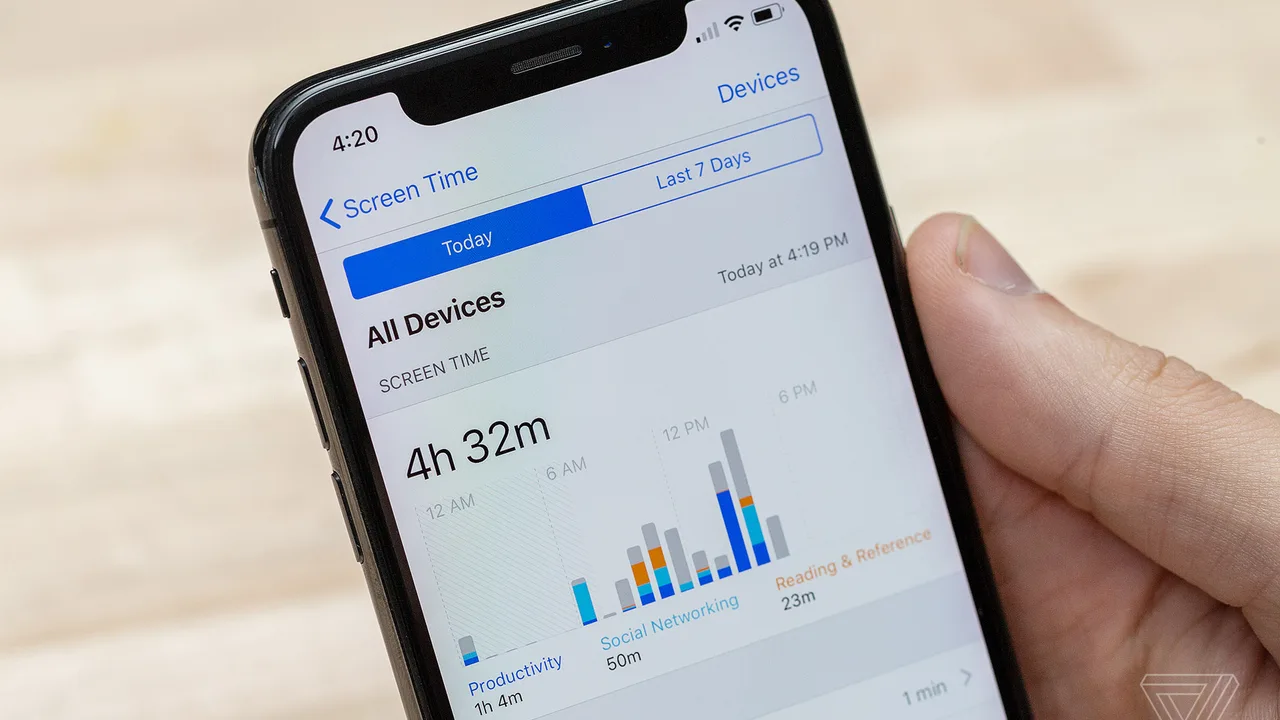
The way you start and end your day has a powerful influence on your mental clarity. Many people reach for their phones the moment they wake up, instantly exposing themselves to messages, news, and social feeds. This habit increases screen time before the day has even begun.
Digital minimalism encourages screen-free bookends to your day. In the morning, give yourself space to wake up without notifications—stretch, journal, or simply sit quietly. At night, reduce screen exposure at least an hour before sleep. These small shifts improve focus, reduce anxiety, and support healthier sleep patterns.
Way #7 — Organize Your Digital Space
A cluttered digital environment creates the same stress as a messy physical room. Files scattered across devices, unread emails, and overflowing cloud storage all contribute to mental overload. Simplifying your digital space supports digital minimalism by reducing friction and distraction.
Create a simple folder system you can maintain long-term. Unsubscribe from newsletters you never read. Archive or delete old files that no longer serve a purpose. You don’t need perfection—just enough order to find what you need without frustration.
Way #8 — Use Technology With Intention, Not Habit
One of the core principles of digital minimalism is intentionality. Instead of opening apps automatically, pause and ask why you’re using them. Are you solving a problem, or filling a moment of boredom?
This pause creates awareness. Over time, you’ll notice how often technology is used reflexively rather than purposefully. Intentional use transforms devices from distractions into tools that support learning, creativity, and connection.
Way #9 — Replace Digital Noise With Offline Activities
Reducing screen usage works best when something meaningful replaces it. Without alternatives, habits tend to return. Offline activities provide balance and help reinforce healthier focus habits.
- Reading physical books instead of scrolling
- Walking, exercising, or spending time outdoors
- Journaling or creative hobbies that don’t involve screens
These activities restore attention and provide mental space that constant digital input often erodes. The goal isn’t avoidance—it’s balance.
Way #10 — Make Digital Minimalism a Lifestyle
Digital minimalism isn’t a one-time reset; it’s an ongoing practice. As your work, interests, and responsibilities change, so should your digital habits. Periodically reassess your tools and routines to ensure they still align with your values.
Flexibility is key. Minimalism should support your life, not restrict it. When approached with curiosity instead of rigidity, it becomes sustainable and empowering.
Common Myths About Digital Minimalism
Despite its growing popularity, digital minimalism is often misunderstood. One common myth is that it requires deleting all social media or abandoning modern tools. In reality, it’s about selective use, not elimination.
Another misconception is that it’s incompatible with digital work. On the contrary, many professionals adopt digital minimalism to improve focus, creativity, and productivity in tech-driven environments.
Less Digital, More Life
Simplifying your digital life doesn’t mean rejecting technology—it means reclaiming control over it. By reducing unnecessary screen time, strengthening focus habits, and adopting digital minimalism as a mindset, you create space for what truly matters.
Start small. Delete one app, silence one notification, or protect one hour of uninterrupted time. These small decisions compound over time, leading to a calmer, more intentional digital life—one that supports your goals instead of distracting from them.