As global industries modernize, the demand for efficient, scalable, and durable factory spaces continues to grow. In 2026, the steel structure factory has become the gold standard for industrial design — combining cost-effectiveness, rapid construction, and environmental performance. Across Asia, Europe, and the Americas, manufacturers are shifting away from traditional concrete buildings toward smarter, pre-engineered steel systems that deliver speed and strength without compromise.
Introduction — The Evolution of Modern Factory Design
Factory design has evolved dramatically over the past decade. Where once long timelines and heavy construction defined industrial development, the market now demands speed and flexibility. This transformation is led by steel construction technology, where prefabricated components and digital modeling allow entire production facilities to rise in a fraction of the time once required.
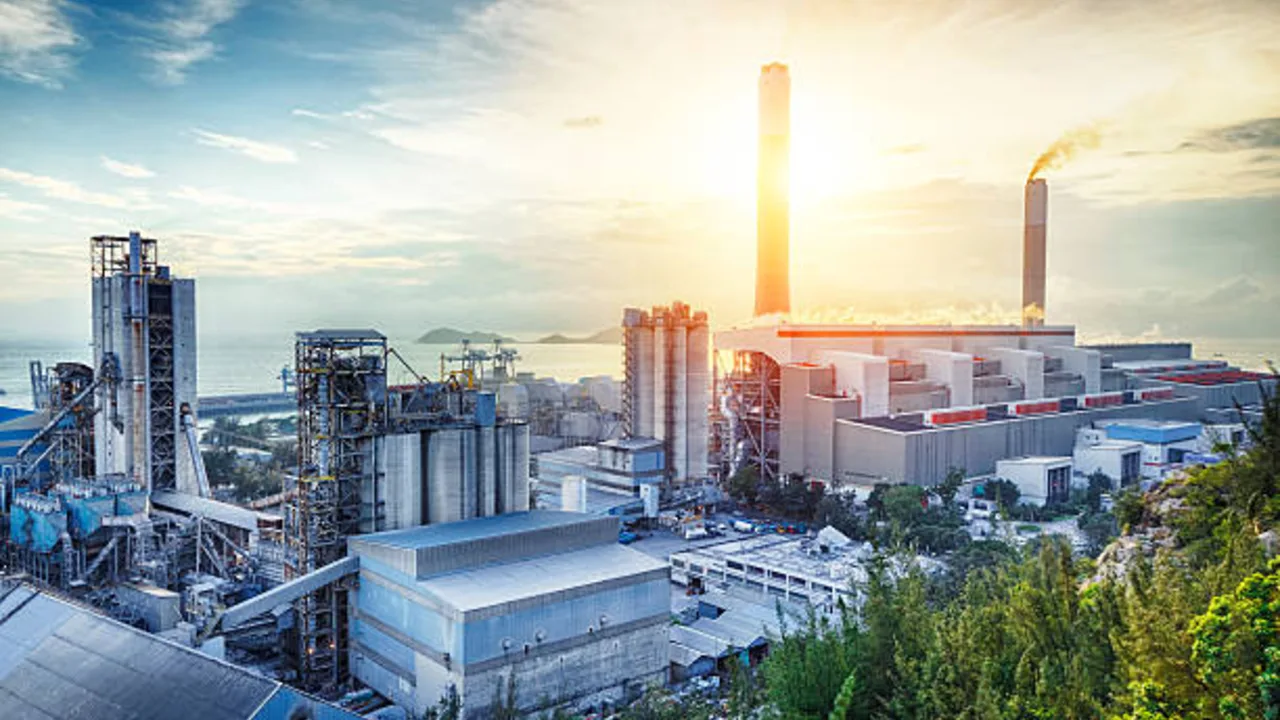
What makes this transition even more important in 2026 is sustainability. As industries face growing environmental regulations, the ability to reuse, recycle, and optimize resources has turned steel into the most responsible material choice. The rise of the steel structure factory is therefore not just an engineering trend — it’s a global movement toward smarter, cleaner, and more adaptable industrial architecture.
What Makes Steel the Preferred Material for Factories
Strength, Flexibility, and Longevity
Steel’s dominance in industrial construction starts with its physical performance. Unlike concrete, steel allows long, column-free spans that maximize usable floor space for machinery, production lines, and logistics flow. This structural efficiency gives designers freedom to create open, adaptable layouts without sacrificing strength.
Moreover, steel’s high strength-to-weight ratio means less material is required to achieve the same load-bearing capacity. This reduces foundation costs and simplifies transportation. For sectors such as automotive, logistics, and electronics, where precision and scalability are critical, the structural flexibility of steel ensures both durability and long-term reliability.
Durability and Maintenance Advantage
Modern coatings and galvanized finishes make steel highly resistant to corrosion, fire, and harsh weather conditions. While concrete can crack or deteriorate over time, steel structures maintain consistent performance for decades with minimal upkeep. This reduces maintenance budgets and extends the lifecycle of factory facilities — an essential factor for global manufacturers investing in multi-decade operations.
The Rise of Pre-Engineered Steel Buildings
How PEB Systems Streamline Construction
The biggest revolution behind the surge in steel structure factory adoption is the concept of pre-engineered buildings (PEB). Unlike conventional projects that rely on on-site fabrication, PEB systems are manufactured in specialized facilities where every beam, column, and joint is produced with millimeter accuracy. Once transported, these components are assembled like a modular kit — drastically cutting on-site labor and construction time.
This shift to pre-engineering allows simultaneous workflows: while the foundation is being prepared, the steel structure is fabricated and ready for shipment. The result? Industrial developers can complete factory projects 30–50% faster than traditional methods, with far fewer delays caused by weather or logistical bottlenecks.
| Construction Method | Average Completion Time | Material Waste |
|---|---|---|
| Conventional Concrete | 10–14 months | 10–15% |
| Pre-Engineered Steel | 5–8 months | Less than 3% |
Global Adoption of Pre-Engineered Design
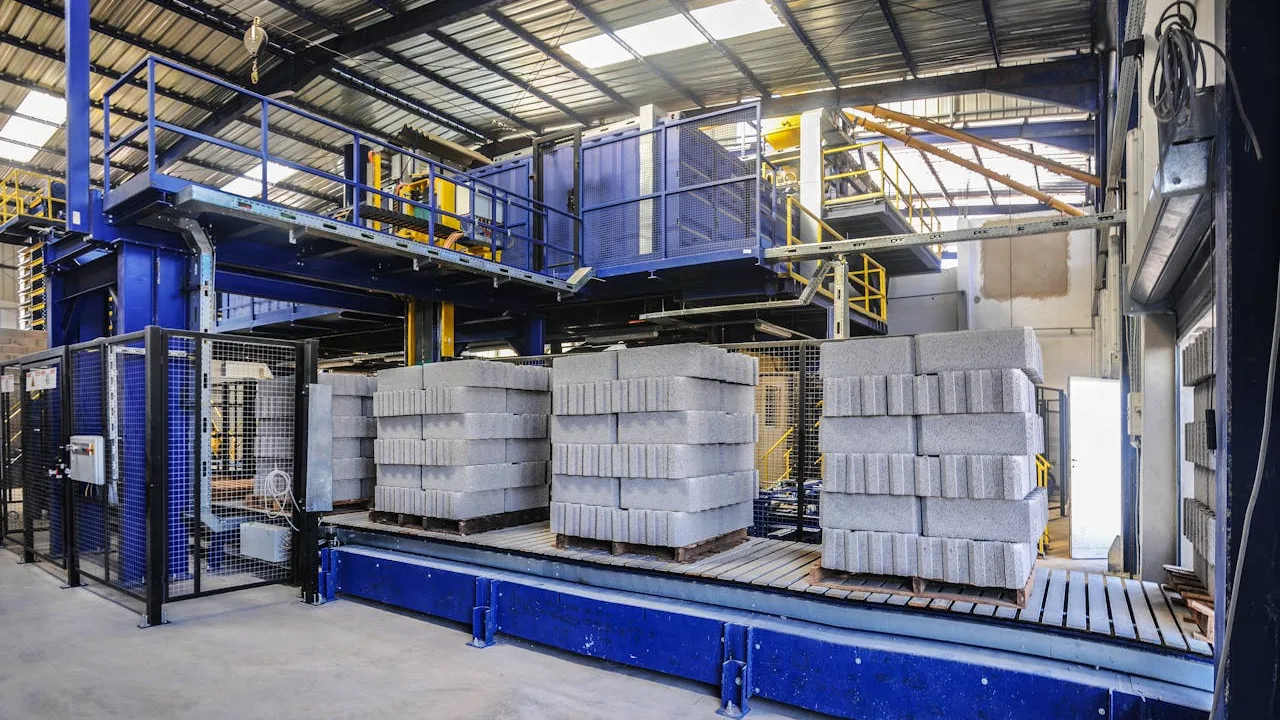
From logistics hubs in Southeast Asia to high-tech manufacturing centers in Europe, PEB technology has become synonymous with innovation. By standardizing fabrication through automation, companies can scale production quickly while maintaining precision. It’s not uncommon for new facilities to integrate AI-driven assembly monitoring or automated crane systems directly into their steel structure factory layouts.
These buildings also meet growing sustainability demands. The majority of PEB systems use recyclable materials and generate minimal on-site waste, aligning perfectly with modern green construction standards. In an increasingly competitive global market, this mix of speed, quality, and sustainability gives steel structures a clear advantage over conventional alternatives.
Efficiency and Sustainability in Modern Steel Factories
Energy Efficiency and Resource Optimization
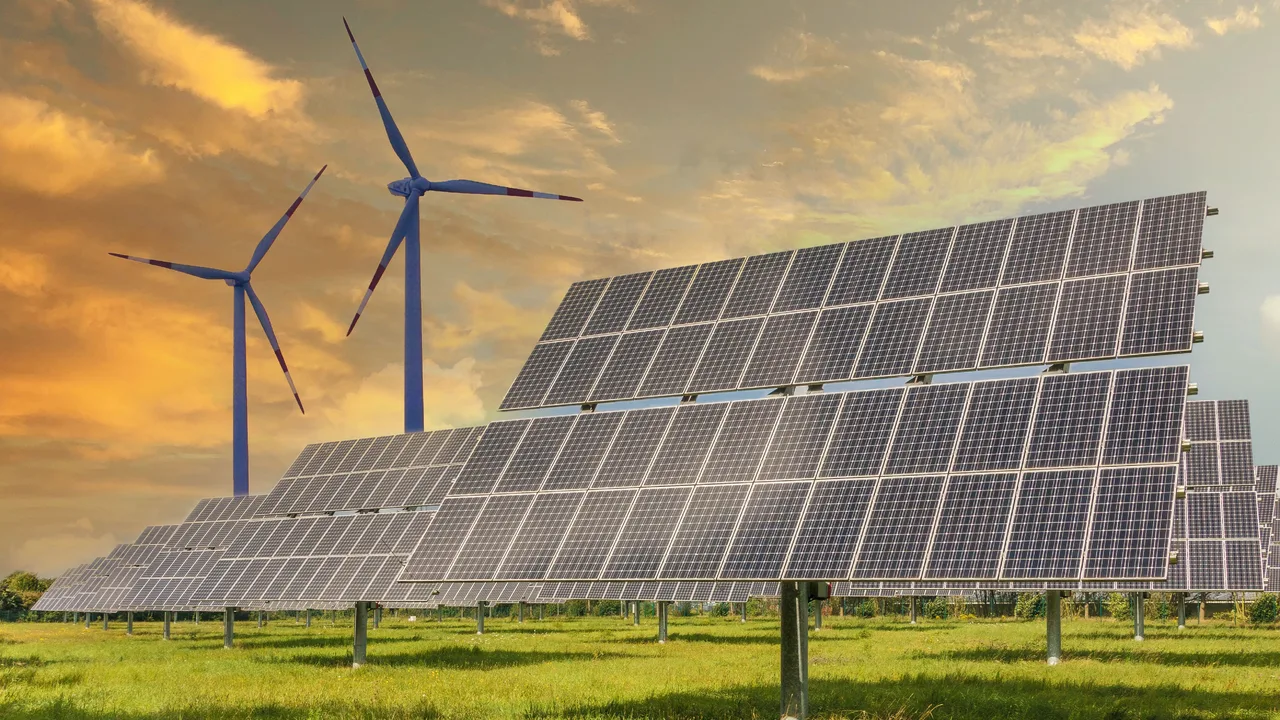
The design of a steel factory is no longer limited to its structural frame — it extends into how energy and resources are managed. Engineers now integrate natural ventilation, skylights, and solar roofing to lower energy consumption. Advanced insulation materials help maintain stable indoor temperatures, further reducing dependency on mechanical cooling.
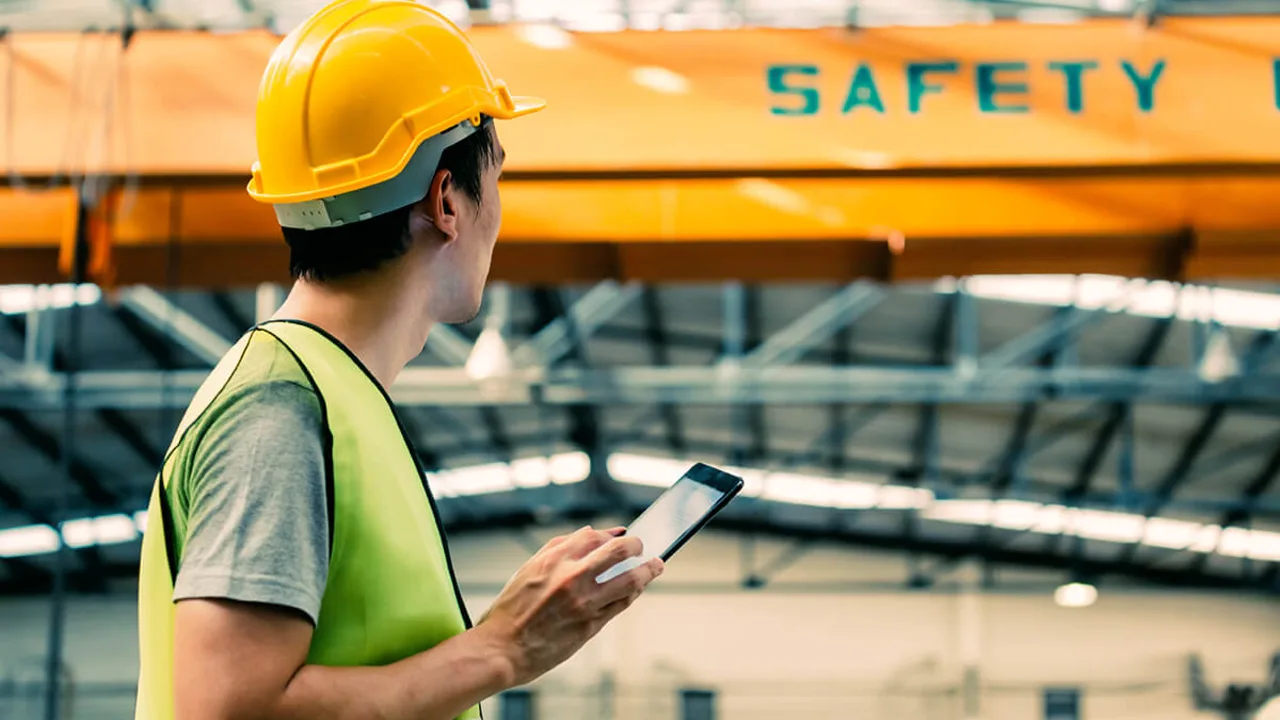
Smart monitoring systems also play a vital role. With sensors tracking real-time power usage, lighting, and ventilation, operators can make instant adjustments to minimize waste. This combination of pre-engineered buildings and intelligent energy control ensures every watt contributes to productivity, not loss.
Lifecycle Sustainability
Unlike other materials that degrade over time, steel can be dismantled, reused, or melted down for new production. This circular lifecycle makes the steel structure factory model inherently sustainable. Combined with digital design tools and efficient supply chains, steel helps manufacturers reduce their overall carbon footprint while maintaining structural resilience.
The environmental advantages also extend to reduced transportation and foundation demands. Because components are lighter and prefabricated, fewer truckloads and less fuel are required, cutting emissions before the first beam is even raised.
Cost Benefits and Construction Speed
Faster Build Times
In 2026’s fast-moving industrial economy, speed is a competitive advantage. A factory that begins production months earlier can capture new contracts and market opportunities ahead of rivals. This is where the steel structure factory truly excels. Pre-engineered systems can cut build times nearly in half while maintaining precision and safety standards.
Furthermore, steel construction is less vulnerable to weather delays and site variables. Since 80–90% of fabrication occurs off-site, on-site assembly becomes a predictable, streamlined process — a key factor in reducing both risk and cost uncertainty.
For an example of how modern fabrication translates into faster, higher-quality industrial buildings, visit steel structure factory projects by XTD Steel Structure.
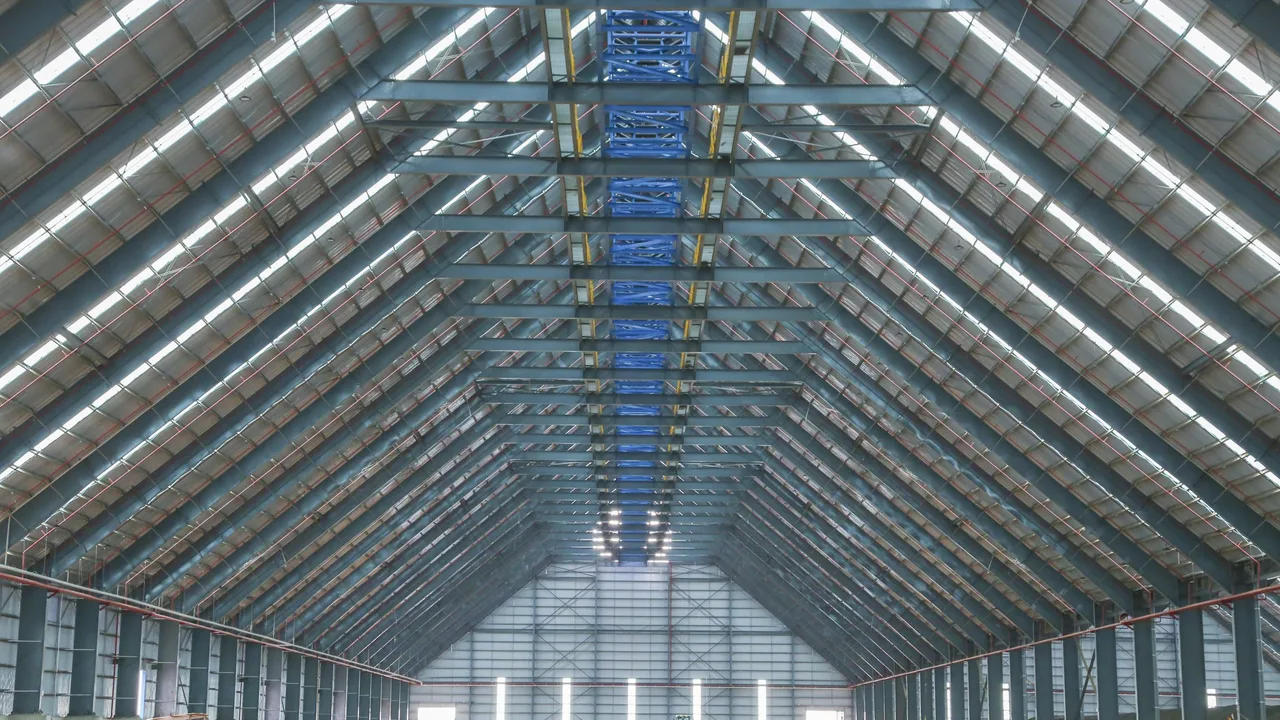
Lower Long-Term Costs and Economic Advantages
Reduced Maintenance and Labor Costs
When companies invest in a steel structure factory, they’re not just paying for a building — they’re investing in longevity and predictability. Steel requires far less maintenance than concrete, wood, or composite structures. Because most steel factories are designed with advanced coatings and galvanized systems, corrosion and wear are minimal even in humid or coastal regions.
Maintenance routines like repainting or structural inspections can be scheduled over longer intervals, reducing operational downtime. Combined with modular fabrication, this low-maintenance advantage makes steel facilities cost-efficient throughout their entire lifecycle.
Predictable Budgets and Faster ROI
Another key reason for the popularity of pre-engineered buildings is financial clarity. With most of the fabrication completed off-site, cost estimates are far more accurate than in traditional projects. Developers can lock in prices early and avoid unexpected budget inflation caused by weather delays or material shortages.
Since steel structure factory projects typically require fewer workers and shorter construction periods, they deliver faster returns on investment. This predictability has made steel the preferred choice for multinational manufacturers planning to expand rapidly without sacrificing quality.
Design Flexibility and Expansion Potential
Modular Planning for Growth
One of the most compelling benefits of steel lies in its adaptability. Unlike rigid materials, steel frameworks can be expanded, modified, or reconfigured with minimal disruption. When production lines evolve or demand increases, new bays, mezzanines, or crane systems can be integrated seamlessly into the existing structure.
This scalability allows companies to design with the future in mind. Whether expanding a warehouse or integrating automation systems, steel structures provide unmatched flexibility. This modularity is a major reason why structural efficiency has become a decisive factor in modern factory investment strategies.
Architectural Aesthetics and Functional Appeal
Gone are the days when factories were plain, box-shaped buildings. Today, industrial design embraces both function and form. Architects are using steel’s versatility to create factories that are not only efficient but visually impressive. Long-span roofs, curtain walls, and skylights all contribute to natural lighting and better working environments for employees.
Steel also supports integration with smart technologies — from automated ventilation systems to AI-controlled cranes. These design innovations transform factories into intelligent ecosystems that reflect a company’s brand identity while optimizing productivity.
Real-World Example — How Steel Transforms Factory Projects
Recent industrial projects demonstrate how choosing steel can significantly improve operational outcomes. In Southeast Asia, for example, manufacturing parks have shifted almost entirely toward pre-engineered steel systems due to cost savings, shorter construction cycles, and sustainability targets. Factories once taking over a year to complete are now finished in under eight months — without compromising safety or performance.
Similarly, in Europe and the Middle East, developers are adopting steel to meet new energy regulations. Prefabricated steel frames, combined with energy-efficient roofing and wall panels, enable compliance with stricter building codes. These examples show that the steel structure factory is not just a passing trend, but a global benchmark for industrial excellence.
Challenges and Future Outlook
Overcoming Misconceptions About Steel
Despite its proven advantages, some developers still hold outdated views of steel construction — such as concerns over cost or design limitations. However, modern fabrication technologies have made steel more affordable and customizable than ever. With precise computer-aided design (CAD) and automated welding systems, factories can now achieve tight tolerances and sleek architectural finishes.
Another misconception is that steel construction requires specialized maintenance. In reality, modern coatings and galvanization ensure minimal upkeep for decades. When compared to the long-term costs of repairing or replacing concrete structures, steel’s performance advantage becomes undeniable.
The Future of Factory Design in 2026 and Beyond
The next generation of factories will rely heavily on automation, smart sensors, and real-time data systems — all of which align perfectly with steel’s modular framework. As sustainability standards tighten and industrial land becomes scarcer, flexibility and efficiency will become the ultimate competitive edge. The steel structure factory stands ready to meet these challenges, integrating digital technology with timeless structural strength.
Looking ahead, architects and engineers are experimenting with hybrid systems that combine steel with renewable materials, such as insulated sandwich panels or cross-laminated timber. These innovations show that steel will remain central to the evolution of industrial architecture — adaptable, eco-conscious, and future-ready.
Conclusion — Building the Future with Steel
In 2026, steel’s role in shaping modern industry is clearer than ever. The shift toward steel structure factory design represents more than a change in materials; it marks a new philosophy of efficiency, resilience, and sustainability. From pre-engineered buildings that minimize waste to frameworks optimized for energy efficiency, steel continues to redefine what industrial construction can achieve.
For developers, choosing steel isn’t just about building faster — it’s about building smarter. With unmatched structural efficiency, adaptability, and environmental benefits, steel remains the foundation of industrial progress. As technology advances, one truth stands firm: the factories of the future will be made of steel.