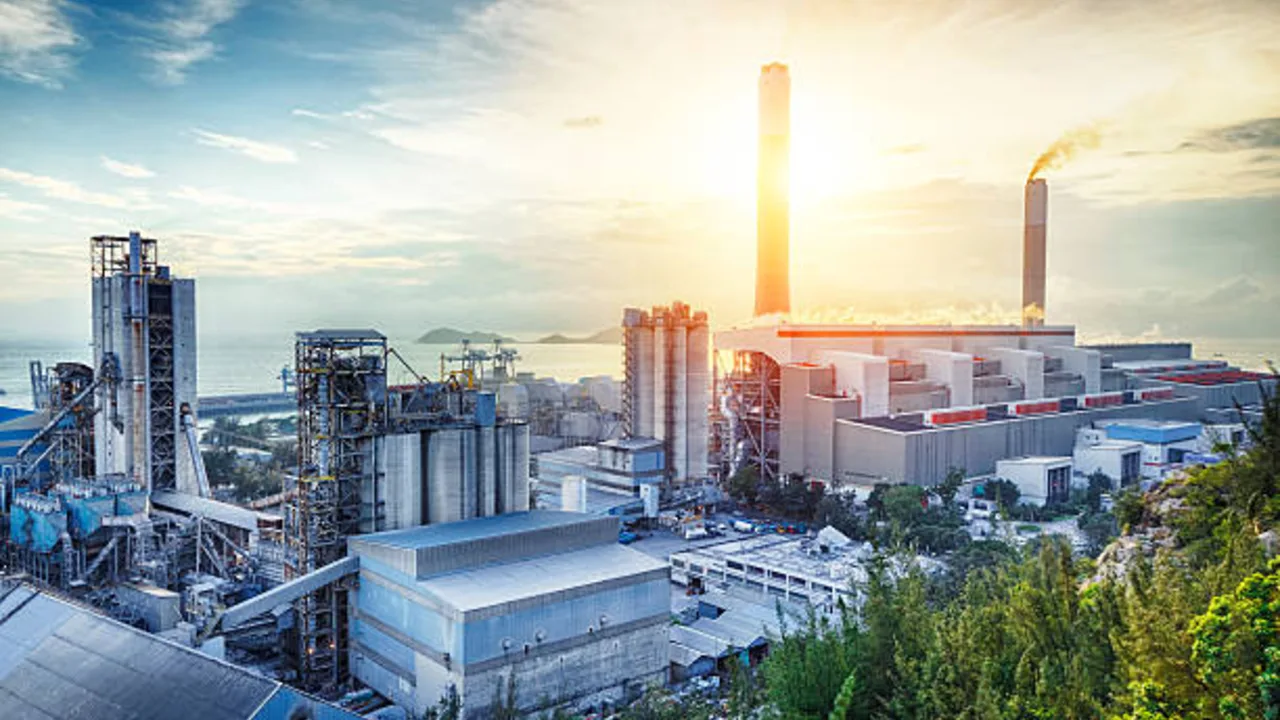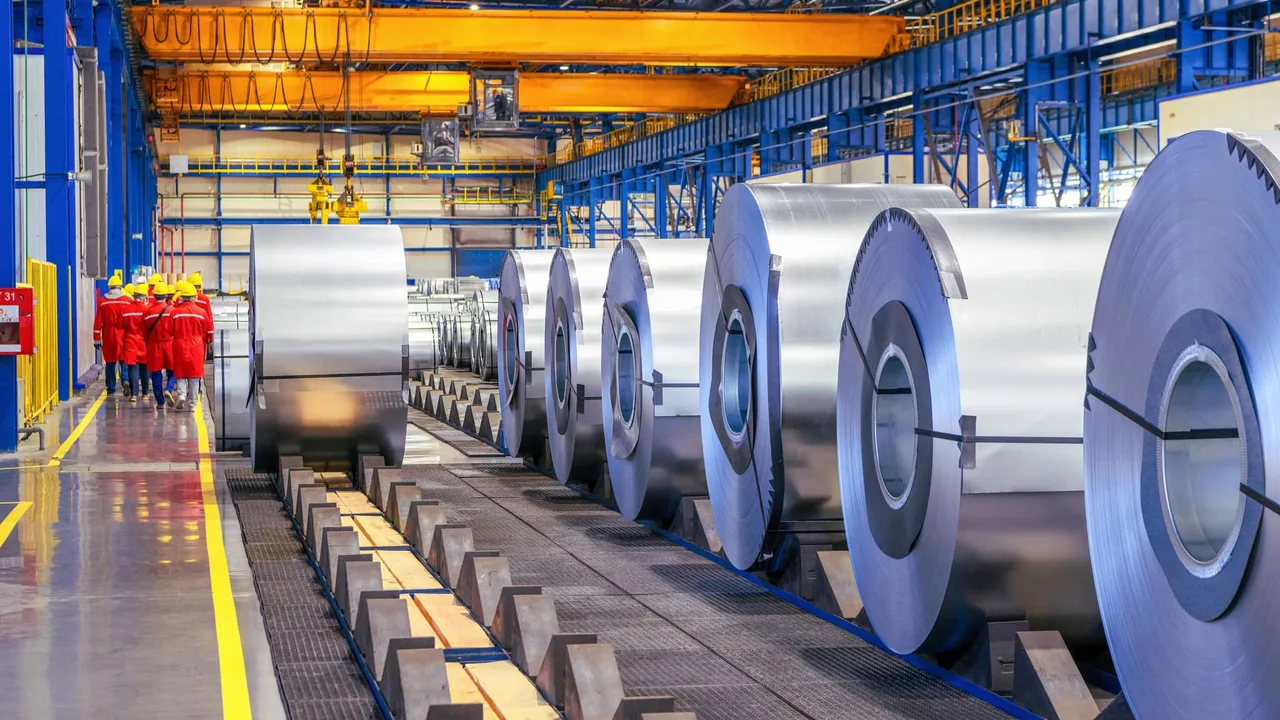
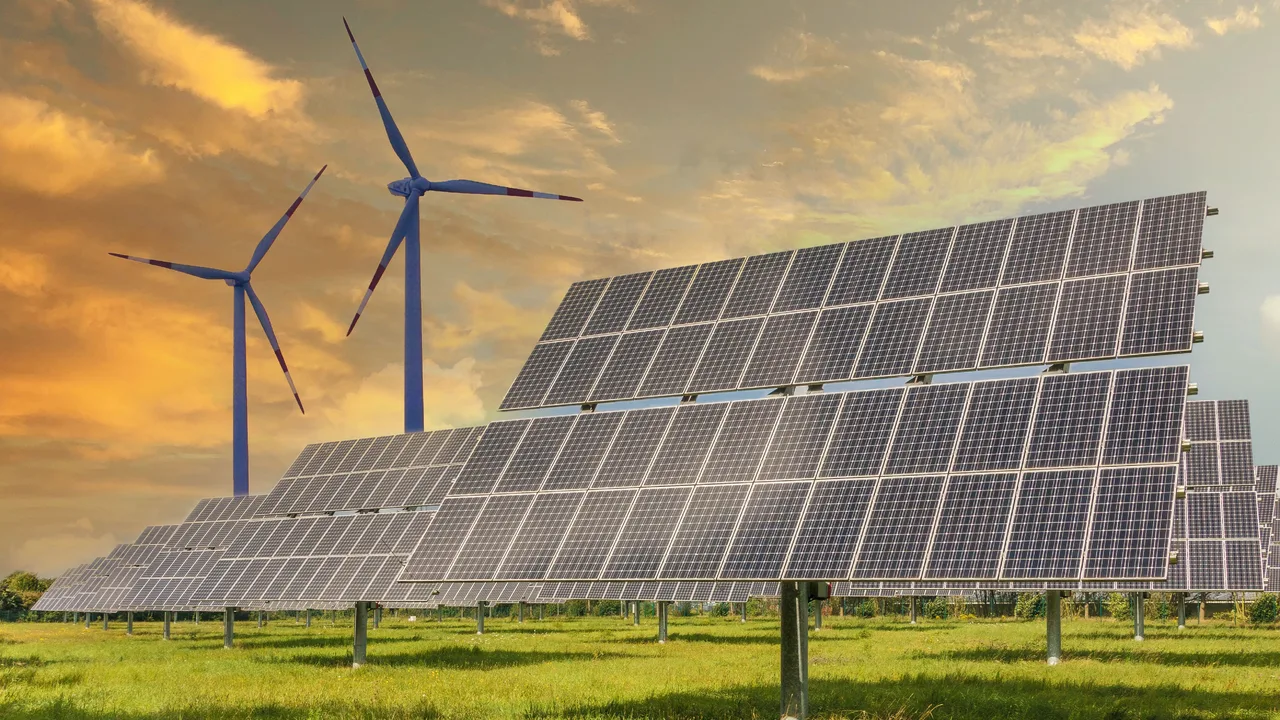
Steel innovation renewable energy has become a key factor in the rapid expansion of clean power around the world. Wind farms, solar fields, and other renewable energy facilities require large, durable structures that can operate for decades in harsh environments. Without strong and reliable materials, many modern energy projects would not be possible. Advances in steel technology have allowed engineers to build taller towers, larger support frames, and more efficient systems that help renewable energy grow faster.
Renewable energy installations are often built in remote areas, offshore locations, or regions with extreme weather. These conditions demand materials that are both strong and resistant to corrosion. Because of this, steel has become the preferred choice for most structural components. Modern developments in metallurgy, fabrication, and coating systems have made steel innovation renewable energy an important part of the global transition toward cleaner power.
The Role of Steel in Modern Renewable Energy
Steel is the backbone of most renewable energy infrastructure. Wind turbines, solar mounting systems, transmission towers, and support platforms all depend on strong structural frames. Unlike smaller construction projects, energy installations must remain stable for many years while exposed to wind, heat, moisture, and constant mechanical stress.
In early renewable projects, standard structural steel was often used without special modification. As systems became larger and more complex, engineers needed stronger materials with better performance. Today, advanced steel grades allow structures to carry heavier loads while using less material.
The connection between steel innovation renewable energy can be seen in the size of modern projects. Wind turbines are taller, solar farms cover larger areas, and offshore platforms must withstand powerful waves. These developments require materials that combine strength, durability, and efficiency.
Another advantage of steel is flexibility in fabrication. Components can be produced in factories with high precision and then transported to the site for assembly. This makes construction faster and more reliable, especially for projects located far from urban areas.
Why Renewable Energy Projects Depend on Advanced Materials
Renewable energy systems are very different from traditional buildings. They often operate in open environments where they are exposed to constant wind, sunlight, rain, and temperature changes. Because of this, the materials used must meet strict performance requirements.
Large installations also create high structural loads. Wind turbines generate strong forces on the tower and foundation, while solar farms require frames that can support thousands of panels. If the material is not strong enough, the structure may fail or require expensive maintenance.
Long lifespan is another important factor. Renewable energy projects are expected to operate for twenty years or more. During this time, the structure must remain stable without frequent replacement. Using advanced steel reduces the risk of damage and lowers long-term cost.
Precision engineering is also critical. Modern energy systems use computer-designed components that must fit perfectly during installation. Steel fabrication allows accurate production, which helps avoid delays during construction.
Steel Innovation Renewable Energy: What Has Changed
The development of new materials has greatly improved steel innovation renewable energy projects. Engineers now use high-strength steel, corrosion-resistant coatings, and advanced fabrication methods to build structures that are stronger and lighter than before.
Some of the most important improvements include:
- High-strength steel that reduces total weight
- Better corrosion protection for outdoor use
- Modular components for faster installation
- Precision fabrication using digital machines
- Improved welding and connection systems
High-strength steel allows towers and frames to be built with thinner sections while maintaining the same load capacity. This reduces material cost and makes transportation easier.
Corrosion protection is especially important for projects near the sea or in humid climates. Modern galvanizing and coating systems help steel resist rust for many years, even in difficult conditions.
Modular construction is another major change. Instead of building everything on site, many parts are produced in factories and delivered ready to assemble. This reduces construction time and improves quality control.
Wind Power Structures and Steel Engineering
Wind power is one of the clearest examples of how steel innovation supports renewable energy. Modern wind power turbines are much larger than earlier designs, which means the towers must be stronger and more stable. Steel is used for the tower, internal platforms, ladders, and many structural connections.
Onshore wind turbines are usually installed on land, where transportation limits the size of each section. Engineers design towers in segments that can be moved by truck and assembled on site. Steel allows these sections to be joined safely while maintaining strength.
Offshore wind turbines face even greater challenges. They must resist waves, saltwater corrosion, and strong wind. Special steel grades and protective coatings are used to ensure long-term performance. In some projects, the foundation structure under the water is larger than the tower above it.
Fatigue resistance is another important factor. Wind turbines move constantly, and the structure must handle repeated stress without cracking. Modern steel technology makes it possible to build towers that can operate for decades with minimal maintenance.
Solar Structures and the Need for Durable Frames
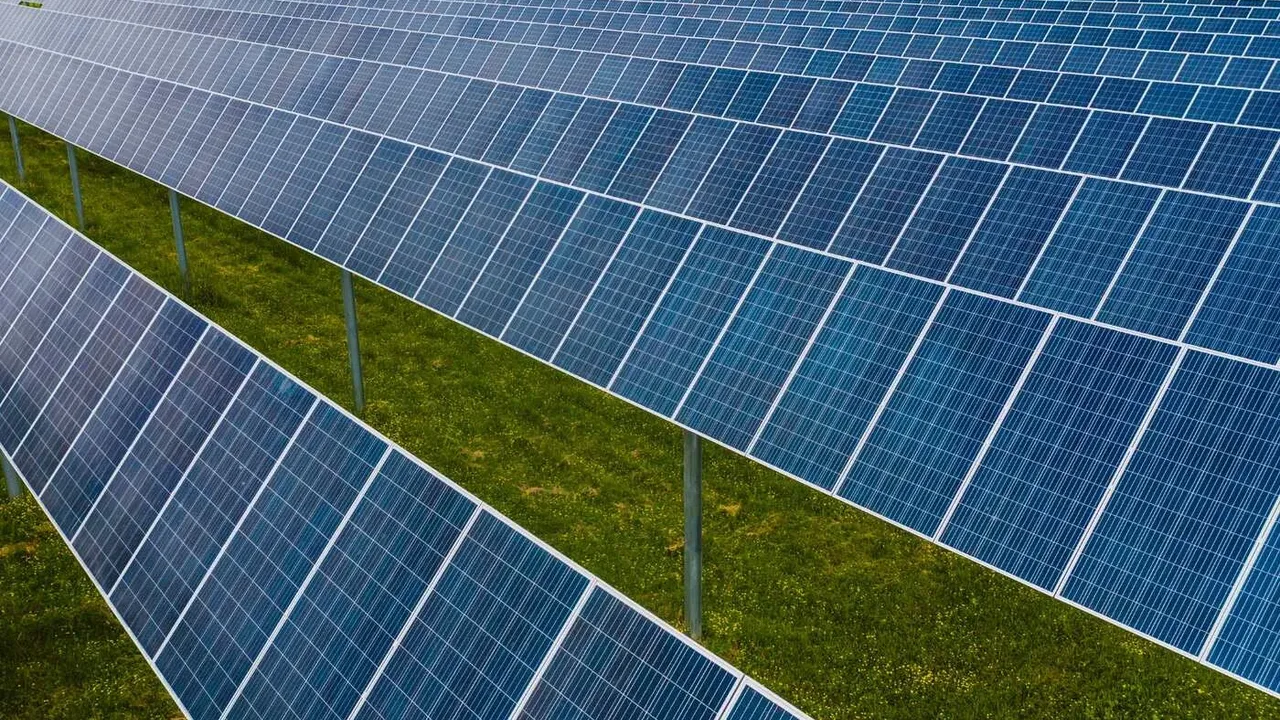
Solar energy projects also depend heavily on strong structural systems. Large solar farms use support frames to hold panels at the correct angle for maximum efficiency. These solar structures must remain stable in wind, rain, and high temperatures.
Ground-mounted solar systems often use steel frames fixed to concrete or driven piles. Steel provides the strength needed to support long rows of panels while keeping the structure relatively light. In areas with strong wind, the frame must be designed carefully to prevent movement.
Tracking systems, which allow panels to follow the sun, require even more precise engineering. Moving parts must be strong enough to support the panels but also light enough to move smoothly. Steel components with accurate fabrication help achieve this balance.
Compared with other materials, steel offers better durability and easier repair. Damaged parts can be replaced without rebuilding the entire system, which is important for large solar installations.
How Steel Innovation Improves Installation Speed
One of the biggest advantages of steel innovation renewable energy projects is faster installation. Renewable energy facilities are often built in remote areas where construction time must be limited. Using prefabricated steel components allows engineers to assemble structures quickly without sacrificing quality.
Prefabrication means that most parts are produced in a factory instead of on the job site. This improves accuracy and reduces the risk of errors during construction. When components arrive ready to install, the work on site becomes simpler and more predictable.
Modular design also helps speed up the process. Towers, frames, and support structures can be divided into sections that are easy to transport. Once delivered, these parts are connected using bolts or welded joints. This method is widely used in both wind power and large solar projects.
Transport efficiency is another benefit. High-strength steel allows engineers to reduce weight without losing strength. Lighter components are easier to move, which lowers transportation cost and makes it possible to build projects in difficult locations.
Faster installation not only reduces labor cost but also allows energy systems to start operating sooner. This is important for renewable projects where early production means earlier return on investment.
Corrosion Protection and Long-Term Performance
Renewable energy structures must operate for many years in outdoor conditions, so corrosion protection is essential. Modern steel innovation renewable energy technology includes advanced coating systems that protect the structure from moisture, salt, and temperature changes.
Galvanizing is one of the most common methods used to protect steel. In this process, the steel is coated with zinc, which prevents rust from forming. This type of protection is widely used for solar frames, wind towers, and transmission structures.
In offshore projects, corrosion resistance becomes even more important. Saltwater and strong wind can damage unprotected metal quickly. Special paint systems and multi-layer coatings are often used to extend the life of the structure.
Weather resistance also affects maintenance cost. When steel is properly protected, the structure requires fewer repairs over its lifetime. This makes renewable energy projects more reliable and easier to manage.
Engineering organizations involved in energy infrastructure often publish guidelines for material durability. Technical references from groups such as the International Energy Agency frequently highlight the importance of strong structural materials in long-term renewable energy performance.
Challenges in Renewable Energy Construction
Even with advanced materials, renewable energy projects present many challenges. These installations are often built in locations chosen for natural resources, not for convenience. Mountains, deserts, and offshore areas can make construction difficult.
Transportation is one of the main problems. Large components such as turbine towers or long solar frames must be delivered safely to the site. Engineers must design parts that are strong but still small enough to move.
Extreme weather is another challenge. Wind farms may be located in areas with strong storms, while solar farms may be built in very hot climates. Structures must be able to withstand these conditions without damage.
Heavy loads also require careful planning. Wind turbines produce continuous force on the tower and foundation, and solar panels create large surface areas that catch the wind. Without proper design, these loads can cause structural failure.
Cost control is always important. Renewable energy must compete with other power sources, so construction methods must remain efficient. This is why steel innovation renewable energy continues to focus on stronger materials, faster fabrication, and simpler installation.
Future of Steel Innovation in Renewable Energy
The future of steel innovation renewable energy will be shaped by larger projects and more demanding environments. Wind turbines continue to grow taller, and offshore installations are moving into deeper water. These changes require new materials and improved structural design.
Floating wind farms are one example of this development. Instead of being fixed to the seabed, these structures float on the surface and are anchored with cables. The steel used in these systems must handle constant movement and strong forces.
Solar projects are also increasing in size. Some installations cover thousands of hectares and require large amounts of structural support. Lightweight but strong steel systems help reduce cost while keeping the structure stable.
New alloys and fabrication methods are being developed to improve performance. High-strength steel with better fatigue resistance allows towers and frames to last longer without increasing weight. Digital manufacturing also makes it possible to produce parts with very high precision.
Automation in fabrication is another important trend. Modern factories use computer-controlled machines to cut, weld, and assemble components. This improves quality and reduces production time, making renewable projects easier to build.
As the demand for clean energy grows, the connection between structural engineering and energy technology will become even stronger. Continued progress in materials, coatings, and fabrication will ensure that steel innovation renewable energy remains a key driver of future power generation.