Smart industrial park development is rapidly transforming how modern industries operate. Instead of functioning as isolated clusters of factories, industrial parks are evolving into fully integrated ecosystems powered by data, automation, and sustainability-driven planning. This shift reflects a broader industrial transformation where efficiency, connectivity, and environmental responsibility are becoming just as important as production capacity.
Traditional industrial zones were designed around land availability and logistics access. Today, the focus has expanded to include system integration, digital control, and long-term operational optimization. A smart industrial park is not just about infrastructure—it is about how infrastructure communicates, adapts, and improves over time.
What Defines a Smart Industrial Park
A smart industrial park is an industrial area where operations, infrastructure, and services are connected through advanced technologies. These parks use data-driven systems to monitor activities, optimize resource use, and improve coordination between different facilities.
Unlike traditional industrial zones, where each factory operates independently, smart parks function as a connected network. Energy systems, logistics, waste management, and production processes are often integrated into a centralized platform. This allows operators to manage the entire park more efficiently.
The concept combines physical infrastructure with digital systems. Roads, warehouses, factories, and utilities are supported by sensors, software, and communication networks. This integration creates a responsive environment where decisions can be made based on real-time information.
Another defining characteristic is scalability. Smart parks are designed to adapt to new technologies and changing industrial demands. As industries evolve, the park can upgrade its systems without requiring a complete redesign.
Why Traditional Industrial Parks Are Becoming Obsolete
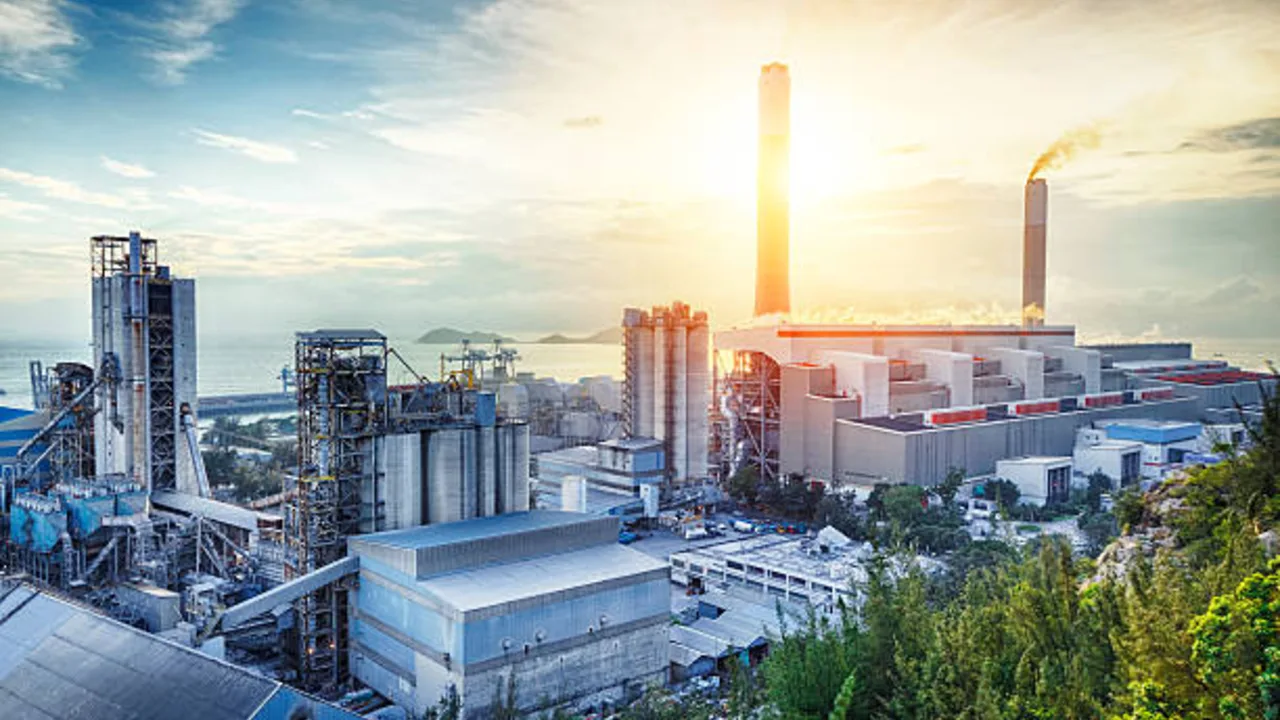
Many traditional industrial parks struggle to meet modern operational requirements. They were built with a focus on basic functionality rather than long-term efficiency or sustainability. As a result, they often face challenges that limit productivity and increase costs.
One of the main issues is fragmented infrastructure. Different facilities operate separately, with little coordination between them. This leads to inefficiencies in energy use, transportation, and resource management. Without a unified system, it is difficult to optimize operations across the entire park.
Manual processes also reduce efficiency. In older parks, monitoring and control systems rely heavily on human input. This increases the risk of errors and delays. In contrast, automated systems can process data faster and respond to changes more effectively.
Energy consumption is another major concern. Traditional parks often depend on outdated power systems that are not optimized for efficiency. This leads to higher operational costs and greater environmental impact.
Limited scalability is another problem. Expanding or upgrading infrastructure in older parks can be expensive and complex. Because systems are not designed to work together, changes in one area may require adjustments in others.
Digital Infrastructure as the Core System
The foundation of any smart industrial park is its digital infrastructure. This includes communication networks, data platforms, and control systems that connect all parts of the park. Without these systems, it would not be possible to achieve real-time monitoring or automation.
Sensors play a key role in this environment. They collect data on temperature, energy use, equipment performance, and environmental conditions. This information is transmitted to central platforms where it can be analyzed and used for decision-making.
Data platforms act as the brain of the industrial park. They process large amounts of information and provide insights that help improve efficiency. For example, operators can identify patterns in energy consumption and adjust usage to reduce waste.
Automation systems use this data to control operations. Machines can adjust their performance based on real-time conditions, and maintenance can be scheduled before problems occur. This reduces downtime and increases productivity.
The importance of digital systems in industrial transformation has been widely discussed in industry research, including insights from the smart manufacturing analysis, which highlights how connected infrastructure improves operational performance.
How Smart Industrial Parks Improve Operational Efficiency
One of the biggest advantages of a smart industrial park is its ability to improve efficiency across multiple levels. By connecting systems and using data effectively, these parks can optimize operations in ways that traditional environments cannot achieve.
Real-time monitoring allows operators to track performance continuously. Instead of reacting to problems after they occur, managers can identify issues early and take preventive action. This reduces downtime and improves overall productivity.
Predictive maintenance is another important benefit. By analyzing equipment data, systems can detect signs of wear or potential failure. Maintenance can then be scheduled at the right time, avoiding unexpected breakdowns and reducing repair costs.
Supply chain operations also become more efficient. Smart logistics systems track the movement of materials and products, ensuring that resources are available when needed. This reduces delays and improves coordination between different facilities.
Energy management is significantly improved as well. Smart systems can balance power demand across the park, reduce peak loads, and integrate renewable energy sources. This lowers costs and supports sustainability goals.
Overall, the integration of technology and infrastructure allows a smart industrial park to operate as a unified system rather than a collection of independent units.
Green Zones and Environmental Integration
Environmental considerations are becoming increasingly important in industrial development. Modern parks are no longer designed only for production efficiency but also for sustainability. The concept of green zones plays a central role in this transformation.
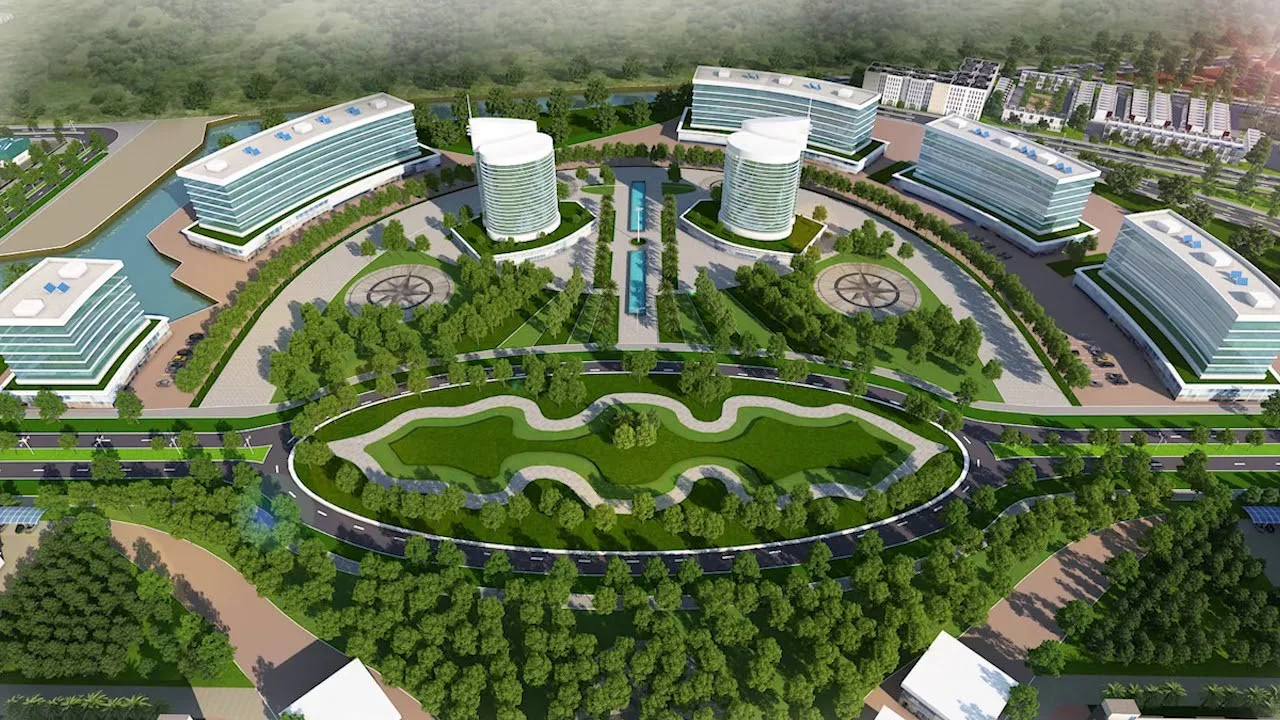
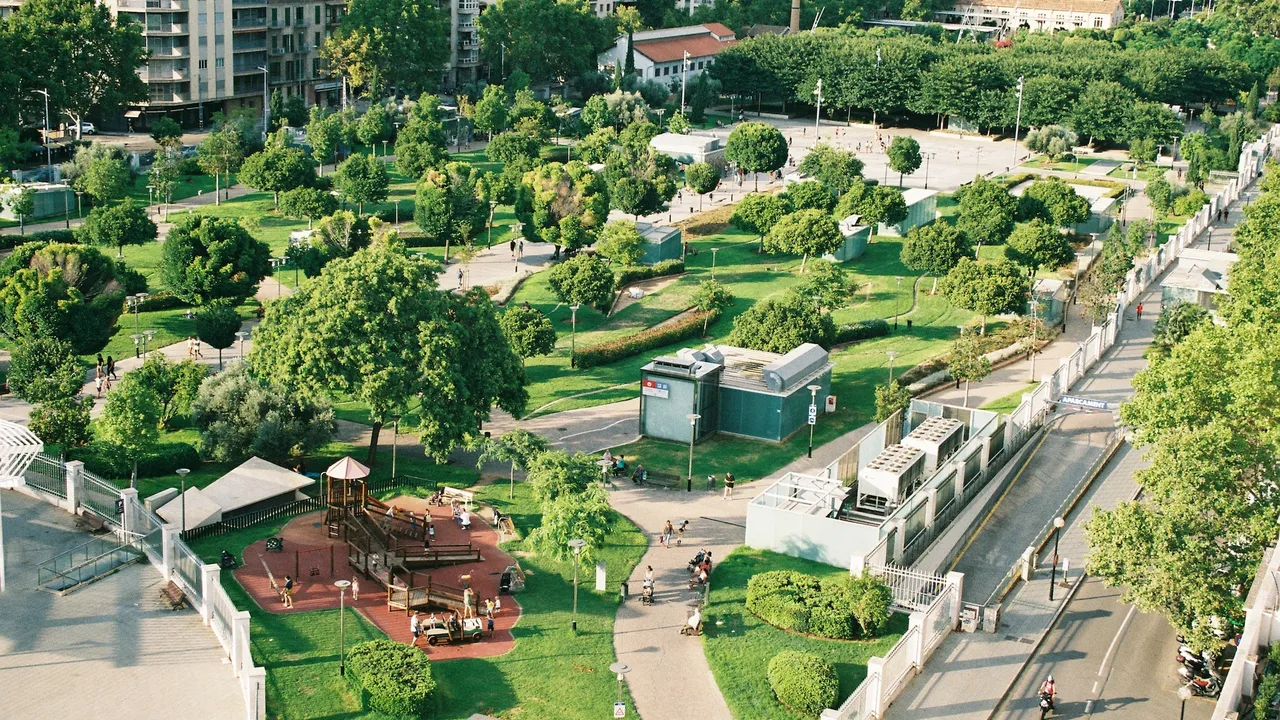
Green zones refer to areas within industrial parks that are designed to reduce environmental impact. This includes renewable energy systems, waste recycling facilities, and green spaces that improve air quality. These zones help balance industrial activity with environmental protection.
Waste management systems in smart parks are often integrated into the overall infrastructure. Instead of treating waste as a separate issue, it is managed as part of the production process. Materials can be recycled or converted into energy, reducing overall environmental impact.
Water management is also important. Advanced systems monitor usage, detect leaks, and recycle water when possible. This is particularly important in regions where water resources are limited.
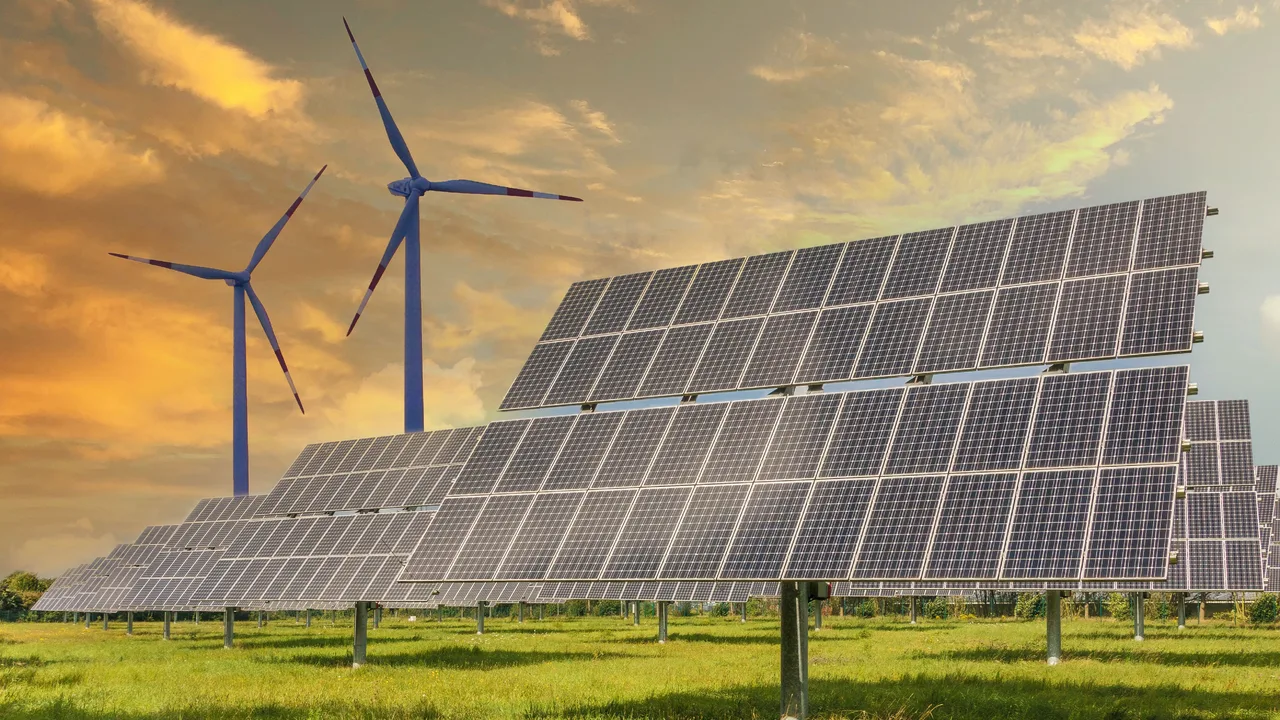
Renewable energy integration is another key feature. Solar panels, wind systems, and energy storage solutions can be connected to the park’s power network. This reduces dependence on traditional energy sources and supports long-term sustainability.
The Economic Advantages of Smart Industrial Parks
The shift toward a smart industrial park model is not driven only by technology or environmental concerns—it is also strongly supported by economic benefits. Companies operating within these ecosystems often experience lower operational costs, improved productivity, and better long-term scalability.
One of the most immediate advantages is cost efficiency. By integrating systems such as energy management, logistics, and maintenance, businesses can reduce unnecessary expenses. For example, shared infrastructure allows multiple facilities to use the same resources more efficiently instead of duplicating systems.
Productivity also improves when operations are coordinated. Real-time data allows companies to optimize workflows, reduce idle time, and improve output consistency. This is especially important in industries where timing and precision are critical.
Another important factor is investment attractiveness. Modern industrial investors are looking for environments that support growth, innovation, and sustainability. A well-developed smart industrial park offers all three, making it more appealing for both domestic and international companies.
Scalability is also a major advantage. Because these parks are designed with future expansion in mind, businesses can grow without facing major infrastructure limitations. This flexibility supports long-term industrial development and reduces the need for costly relocations.
Challenges in Developing Smart Industrial Parks
Despite their advantages, developing a smart industrial park is not without challenges. One of the biggest barriers is the high initial investment required to build integrated systems and advanced infrastructure. Digital platforms, sensors, automation equipment, and renewable energy systems all require significant capital.
Technology integration is another complex issue. Different systems must work together seamlessly, which requires careful planning and coordination. If systems are not properly aligned, the benefits of digital infrastructure may not be fully realized.
Data security is also a concern. As industrial parks become more connected, they are more vulnerable to cyber threats. Protecting sensitive data and ensuring system reliability is essential for maintaining operations.
Workforce adaptation can also be challenging. Employees need to learn new skills to operate and manage advanced systems. This requires training and continuous development, which can take time and resources.
Industry organizations such as the World Bank industry initiatives emphasize that successful industrial transformation depends not only on technology but also on policy, workforce development, and long-term planning.
Global Examples of Smart Industrial Parks
Several countries have already begun developing advanced industrial zones that reflect the principles of a smart industrial park. These projects demonstrate different approaches based on regional priorities, economic goals, and technological capabilities.
China has invested heavily in industrial digitalization, creating large-scale parks that integrate manufacturing, logistics, and data systems. These parks often focus on efficiency and production capacity while gradually incorporating sustainability features.
Singapore takes a different approach by emphasizing precision, planning, and environmental balance. Its industrial zones are designed with strong digital infrastructure, efficient land use, and strict environmental standards. This makes them highly efficient despite limited space.
In the Middle East, several countries are developing industrial hubs that combine advanced technology with energy efficiency. These projects often focus on attracting international investment and diversifying economic activity.
Each of these examples shows that while the concept of a smart industrial park is global, its implementation can vary significantly depending on local conditions.
The Future of Smart Industrial Parks
The future of the smart industrial park will be shaped by continuous innovation in technology, sustainability, and industrial planning. As systems become more advanced, industrial parks will operate with higher levels of automation and intelligence.
Artificial intelligence is expected to play a central role in managing operations. AI systems can analyze large amounts of data, predict demand, and optimize resource allocation. This will allow industrial parks to operate more efficiently with less human intervention.
Autonomous logistics is another area of development. Self-driving vehicles, automated warehouses, and intelligent delivery systems can improve the movement of goods within and outside the park. This reduces delays and lowers transportation costs.
Environmental goals will also become more important. Future parks are likely to focus on reducing emissions and creating energy-efficient environments. The integration of renewable energy and the expansion of green zones will help industrial areas move toward more sustainable models.
Another key trend is the integration of industrial parks with surrounding urban systems. As cities become smarter, industrial areas will need to connect with transportation networks, energy systems, and digital platforms at a larger scale. This creates a more connected and efficient regional economy.
Ultimately, the evolution of industrial zones reflects a broader transformation in how industries operate. Instead of isolated production centers, they are becoming interconnected ecosystems that combine technology, infrastructure, and sustainability. The rise of the smart industrial park represents a shift toward a more efficient and adaptable industrial future.