Industrial environments have always carried inherent risks. From heavy machinery and high-voltage systems to hazardous gases and extreme temperatures, factories and production sites demand constant vigilance. Today, industrial safety sensors are transforming how companies protect workers, equipment, and operations. By combining real-time data collection with intelligent automation, these sensors are redefining what proactive safety truly means.
The Evolution of Industrial Safety
For decades, industrial safety relied heavily on manual inspections, protective gear, and reactive protocols. While these measures reduced accidents, they often addressed problems only after warning signs appeared. The modern approach is different. With the rise of workplace monitoring and connected technologies, safety systems can now detect risks before they escalate into incidents.
This shift is largely powered by industrial safety sensors, which continuously monitor environmental and mechanical conditions. These devices provide real-time insights that enable faster decision-making and automated responses. Instead of waiting for a malfunction or hazardous exposure to occur, facilities can now prevent accidents before they happen.
What Are Industrial Safety Sensors?
Definition and Core Functions of Industrial Safety Sensors
Industrial safety sensors are electronic devices designed to detect changes in physical conditions such as motion, temperature, vibration, gas concentration, pressure, or proximity. Once a threshold is exceeded, the system can trigger alarms, shut down equipment, or notify supervisors instantly. Their main objective is simple: identify danger early and reduce the likelihood of injury or equipment failure.
These sensors function as the nervous system of a modern industrial site. They gather and transmit data to centralized control systems, where it can be analyzed and acted upon automatically or by human operators.
Common types of industrial safety sensors include:
- Proximity sensors – Detect worker or vehicle movement near hazardous equipment.
- Gas detectors – Monitor air quality and identify toxic or combustible gases.
- Temperature sensors – Prevent overheating in machinery and electrical systems.
- Vibration sensors – Identify mechanical imbalance or wear in rotating equipment.
- Pressure sensors – Monitor hydraulic and pneumatic systems to prevent rupture.
Each sensor plays a critical role in workplace monitoring by ensuring that small anomalies are addressed before they develop into critical failures.
Integration with Modern Safety Systems
Modern industrial facilities no longer operate with isolated safety devices. Instead, industrial safety sensors are integrated into centralized platforms that allow seamless communication between machines, operators, and management systems. This integration creates a unified safety ecosystem capable of automated shutdowns, digital reporting, and remote supervision.
For example, if a gas detector senses a leak, the system can immediately activate ventilation systems, shut off ignition sources, and alert on-site personnel simultaneously. This automated chain reaction significantly reduces response time and potential damage.
Such systems also support compliance with international safety standards. Regulatory bodies like OSHA emphasize the importance of hazard detection, continuous monitoring, and documented safety protocols in industrial environments. Smart sensor networks simplify these compliance requirements by maintaining digital audit trails and real-time performance records.
The Role of Workplace Monitoring in Risk Prevention
Real-Time Data Collection
Continuous workplace monitoring is one of the most impactful advantages of deploying industrial safety sensors. Rather than relying on periodic inspections, facilities can track environmental conditions 24/7. Data flows from sensors to dashboards, giving managers immediate visibility into operational risks.
Consider a manufacturing plant where multiple heavy machines operate simultaneously. If vibration levels exceed normal parameters, predictive alerts can notify maintenance teams before the machine fails. Similarly, proximity sensors can detect unauthorized entry into restricted zones, preventing accidental contact with moving equipment.
Smart wearable devices further enhance workplace monitoring by tracking worker location, body temperature, and exposure to hazardous substances. This real-time visibility dramatically reduces response time in emergency situations.
Behavioral and Environmental Monitoring
Beyond machinery, industrial safety sensors also monitor environmental and human-related factors. These include:
- Heat stress detection in high-temperature environments.
- Noise level monitoring to prevent long-term hearing damage.
- Air quality assessment for dust, smoke, and toxic gases.
- Motion tracking to prevent collisions between forklifts and personnel.
By integrating behavioral and environmental metrics into safety protocols, companies can create a more holistic approach to accident prevention. The synergy between industrial safety sensors and advanced workplace monitoring tools forms a robust safety net across all operational levels.
Predictive Maintenance — Preventing Failure Before It Happens
Sensor-Driven Equipment Diagnostics
Perhaps one of the most transformative uses of industrial safety sensors lies in predictive maintenance. Instead of repairing equipment only after breakdowns occur, sensors collect operational data to forecast potential failures. Vibration analysis, thermal imaging, and pressure monitoring reveal subtle performance changes that signal wear and tear.
For instance, a slight increase in motor vibration may indicate bearing degradation. Early detection allows maintenance teams to replace components during scheduled downtime rather than facing sudden operational shutdowns.
Predictive maintenance powered by industrial safety sensors reduces unplanned downtime, enhances worker safety, and extends equipment lifespan. By identifying mechanical weaknesses before catastrophic failure, facilities significantly lower the risk of workplace injuries and costly repairs.
Comparing Traditional vs Predictive Safety Approaches
| Aspect | Traditional Maintenance | Predictive Maintenance |
|---|---|---|
| Inspection Method | Scheduled manual checks | Continuous sensor-based monitoring |
| Failure Detection | After breakdown occurs | Before failure through data analytics |
| Downtime | Unexpected and costly | Planned and minimized |
| Safety Risk | Higher due to sudden failure | Reduced through early intervention |
The integration of predictive maintenance with workplace monitoring strategies ensures that safety becomes proactive rather than reactive. As industries continue adopting smart systems, industrial safety sensors are becoming indispensable components of modern operational excellence.
Smart Sensors in High-Risk Industrial Environments
Manufacturing Plants
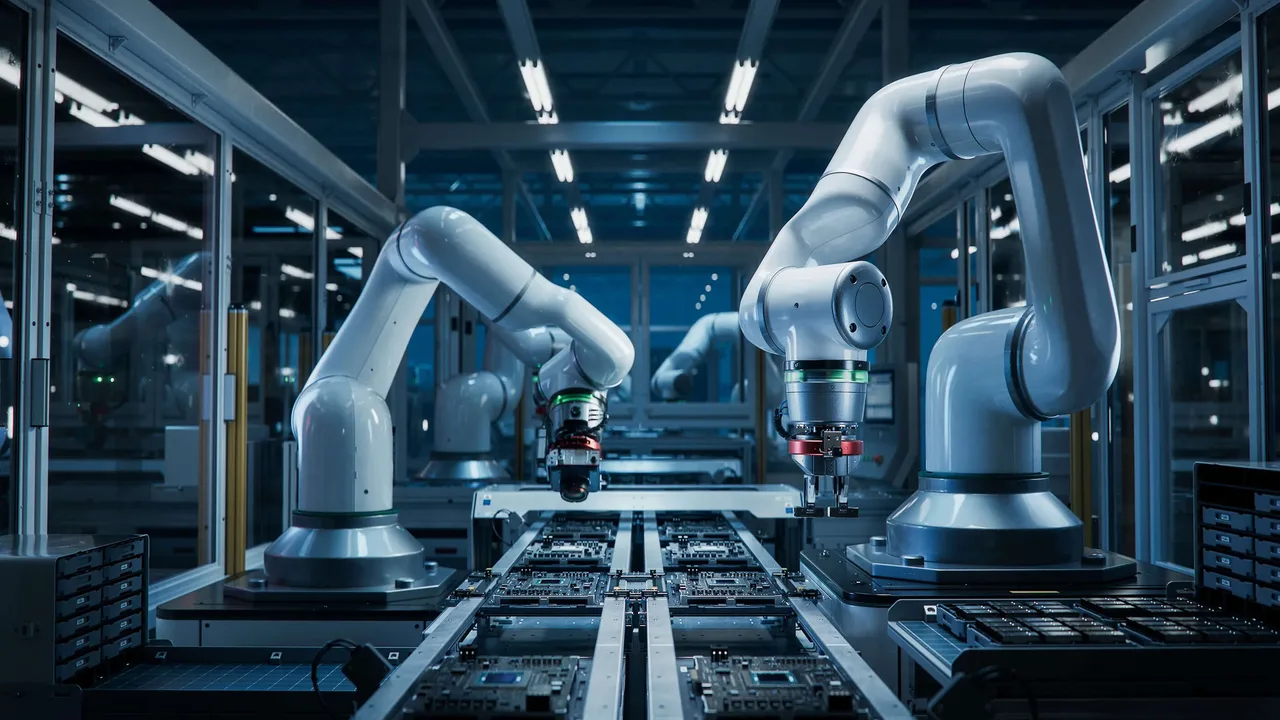
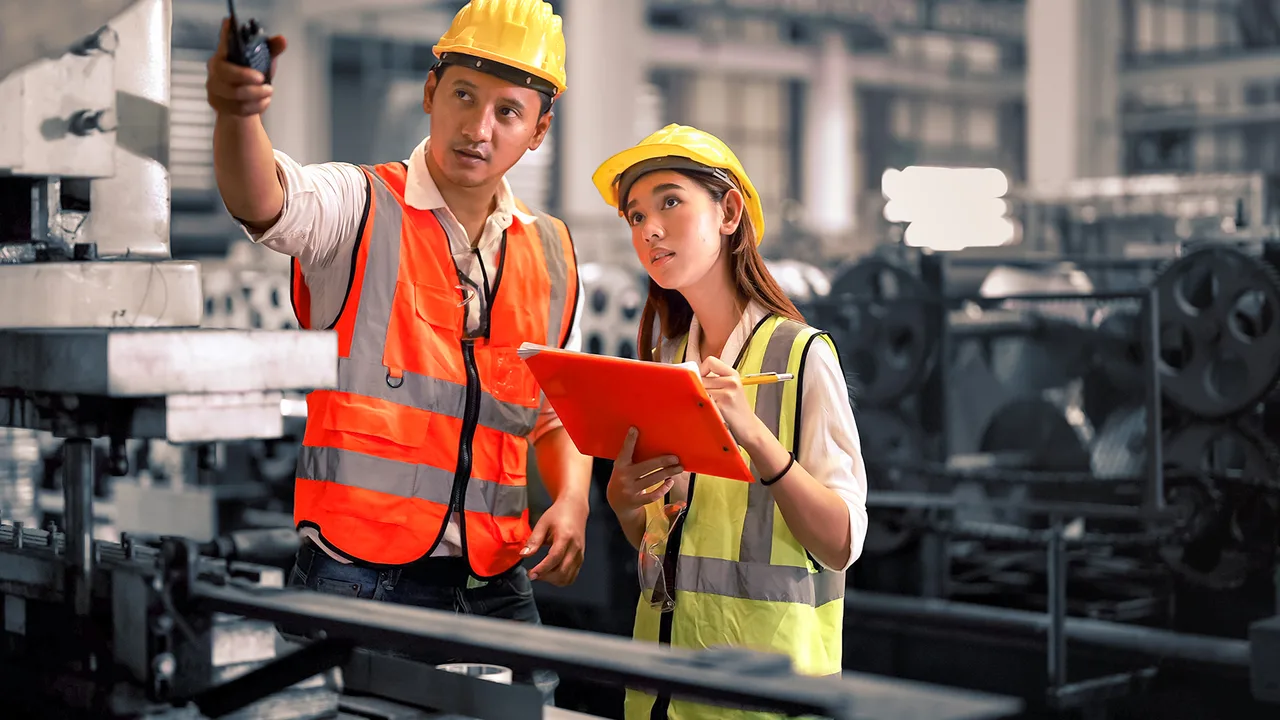
Manufacturing facilities are among the most sensor-intensive industrial environments. Robotic arms, conveyor belts, CNC machines, and automated welding systems operate simultaneously at high speeds. In such settings, industrial safety sensors act as a protective barrier between human workers and heavy machinery.
Proximity and motion sensors detect unauthorized entry into restricted zones, instantly pausing equipment to prevent injury. Temperature sensors monitor motors and electrical panels to prevent overheating, while vibration sensors detect imbalances that could lead to mechanical failure. Through continuous workplace monitoring, plant managers gain real-time insights that allow them to act before a small anomaly becomes a serious hazard.
Oil and Gas Facilities
Oil and gas sites present even greater risks, including explosive gases, high-pressure systems, and remote operating conditions. Here, industrial safety sensors are not optional—they are mission-critical. Gas detection systems monitor for leaks in real time, triggering automated shutdowns and ventilation systems if dangerous concentrations are detected.
Pressure and temperature sensors monitor pipelines and storage tanks to prevent rupture or combustion. By integrating predictive maintenance analytics, operators can anticipate corrosion or fatigue in critical infrastructure long before visible damage occurs. This combination of workplace monitoring and predictive maintenance significantly reduces environmental and human risk.
Warehouses and Logistics Hubs
Modern warehouses rely heavily on automation, from robotic picking systems to autonomous forklifts. Collision avoidance systems use industrial safety sensors to detect obstacles and adjust movement paths automatically. Motion and proximity sensors prevent accidents between workers and moving equipment, particularly in high-traffic areas.
In large logistics centers, environmental sensors also monitor air quality, humidity, and temperature to protect both employees and stored goods. These technologies collectively form a dynamic safety framework that evolves with operational complexity.
Regulatory Compliance and Industry Standards
Compliance with safety regulations is a foundational requirement in any industrial operation. Authorities worldwide demand strict adherence to safety standards, documentation, and hazard mitigation protocols. Industrial safety sensors support compliance by maintaining digital logs, automated reporting, and traceable incident histories.
Through advanced workplace monitoring systems, facilities can document exposure levels, machine performance metrics, and emergency responses in real time. This data-driven transparency simplifies audits and demonstrates proactive risk management. More importantly, it ensures that safety improvements are measurable and verifiable rather than theoretical.
The Future of Industrial Safety Technology
AI and Smart Analytics
The next phase of industrial safety innovation lies in artificial intelligence. When combined with industrial safety sensors, AI systems can identify patterns that humans might overlook. For example, recurring micro-vibrations in a motor over several months may signal gradual wear. AI-driven predictive maintenance models can analyze such trends and recommend intervention before failure occurs.
Advanced workplace monitoring platforms are now capable of correlating environmental data with behavioral metrics. This allows companies to understand not only what happened during an incident, but why it happened—and how to prevent it in the future.
Edge Computing and Faster Response Times
Edge computing is another transformative advancement. Instead of sending sensor data to distant cloud servers for analysis, edge systems process information locally. This reduces latency and enables near-instantaneous response. In hazardous industrial environments, even milliseconds can make a difference.
By combining edge computing with industrial safety sensors, facilities can implement autonomous emergency protocols that activate immediately upon detecting danger. This ensures rapid mitigation without waiting for centralized approval.
Challenges in Implementing Smart Safety Systems
Despite their benefits, deploying industrial safety sensors at scale presents challenges. Initial investment costs for hardware, software integration, and training can be substantial. Organizations must also ensure that sensor networks are secure from cyber threats, as digital safety infrastructure becomes part of the broader IT ecosystem.
Integration with legacy equipment can also be complex. Older machinery may not support advanced workplace monitoring platforms without retrofitting. However, as technology costs decline and regulatory expectations rise, the long-term benefits of predictive maintenance and automated safety systems outweigh these early obstacles.
Building a Safer Industrial Future
Industrial environments are becoming smarter, faster, and more interconnected. At the center of this transformation are industrial safety sensors, enabling proactive risk prevention rather than reactive damage control. Through continuous workplace monitoring and intelligent predictive maintenance, organizations can protect workers, reduce downtime, and enhance operational resilience.
The future of industrial safety lies in integration—where sensors, analytics, and automation work together seamlessly. As industries strive toward zero-incident operations, the role of industrial safety sensors will only continue to expand. Investing in smart monitoring today is not merely a technological upgrade; it is a commitment to safeguarding people, assets, and long-term productivity.