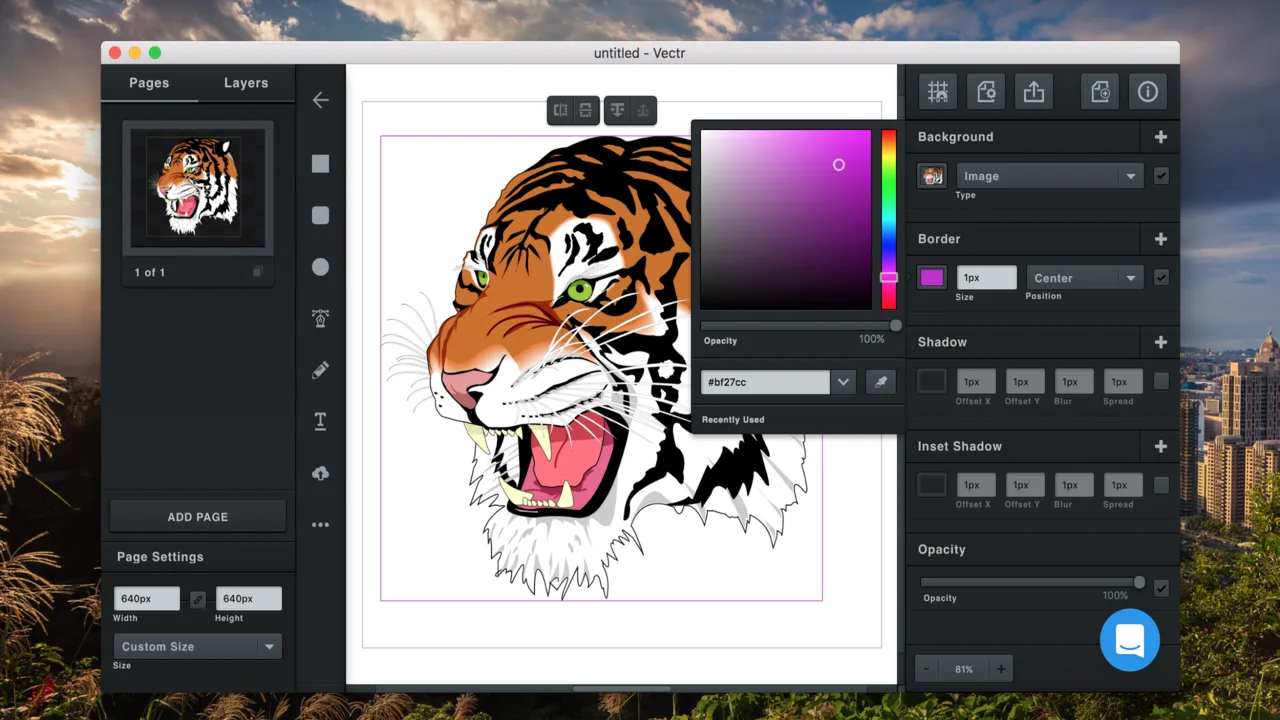

Many businesses believe branding begins and ends with a logo. While logos are important symbols, they represent only a small part of a much larger system. Effective visual identity design encompasses the entire visual language that defines how a brand communicates with its audience.
From typography and color palettes to imagery and layout systems, visual identity shapes how a company is perceived across every touchpoint. When executed well, it creates strong recognition and reinforces branding consistency. It also supports creative messaging by translating a brand’s personality and values into visual form.
In today’s highly visual digital environment, businesses compete not only through products or services but also through the clarity and coherence of their brand presentation. A strong visual identity becomes a strategic asset that strengthens credibility, trust, and memorability.
The Misconception Around Visual Identity
The most common misunderstanding in branding is the assumption that a logo alone defines a company’s identity. While a logo functions as a recognizable symbol, it cannot carry the entire burden of communication.
A complete visual identity design system includes multiple elements that work together to produce a unified experience. Without a structured system, businesses risk appearing inconsistent or unprofessional across marketing channels.
This is where branding consistency becomes critical. When audiences repeatedly encounter the same visual patterns—colors, typography, and layouts—they begin associating those elements with a particular brand. Over time, this recognition builds familiarity and trust.
Creative messaging also plays a role in shaping how visual identity communicates meaning. A brand targeting innovation may emphasize bold typography and dynamic layouts, while a wellness brand might rely on softer colors and minimalist compositions.
What Visual Identity Design Really Means
Beyond Logos and Colors
At its core, visual identity design establishes the rules that guide how a brand appears visually. These rules ensure that every piece of communication—from websites to packaging—feels connected.
Key components typically include:
- Primary and secondary logo variations
- Defined typography families
- Brand color systems
- Graphic elements and patterns
- Photography and illustration styles
When these components operate within a structured framework, organizations maintain branding consistency even when different teams produce marketing materials.
Instead of improvising design decisions repeatedly, companies rely on documented visual standards that keep communication unified.
The Role of Creative Messaging
Visual identity also serves as a storytelling tool. Design elements communicate values, tone, and personality without requiring words.
For example, luxury brands often rely on minimalist layouts, elegant typography, and neutral color palettes. Technology companies frequently adopt bold contrasts and geometric shapes to reflect innovation and precision.
Through carefully constructed visuals, creative messaging becomes embedded in every design decision. This allows brands to express their narrative consistently across advertising, digital platforms, and product experiences.
Why Branding Consistency Builds Strong Brands
Recognition and Memory
Humans are highly responsive to visual repetition. Repeated exposure to the same visual cues strengthens memory retention. Over time, audiences learn to associate certain colors, fonts, and layouts with a specific brand.
This is why branding consistency plays a central role in effective communication. When companies maintain a stable visual system, customers can recognize them instantly—even without seeing the logo.
For instance, certain color combinations or typography styles immediately trigger brand recall in global companies. These associations develop through disciplined visual identity design applied across years of marketing.
Trust Through Familiarity
Consistency also influences perceived professionalism. Brands that present themselves cohesively appear more reliable and credible. In contrast, inconsistent visuals may suggest disorganization or lack of attention to detail.
A unified design system ensures that every interaction—whether on a website, social media platform, or printed material—reinforces the same brand personality.
This alignment strengthens emotional connection with audiences and supports clearer creative messaging over time.
The Key Elements of a Strong Visual Identity System
Successful visual identity systems rely on clearly defined components that guide how design assets are used.
- Logo System: primary logos, simplified icons, and alternative formats
- Typography Hierarchy: structured headline and body text styles
- Color Framework: primary, secondary, and accent palettes
- Graphic Elements: icons, shapes, and visual motifs
- Image Style: photography or illustration direction
These components function together as a visual toolkit. When organizations document them in brand guidelines, designers and marketers can maintain branding consistency across multiple campaigns.
| Weak Branding | Strong Visual Identity |
|---|---|
| Random color usage | Structured color palette |
| Inconsistent typography | Defined type hierarchy |
| Unrelated marketing visuals | Unified graphic system |
| Irregular brand presentation | Consistent design standards |
Organizations that treat visual identity design as a strategic framework rather than a decorative element tend to build stronger brand equity.
Visual Identity Design in the Digital Era
Multi‑Platform Branding
Modern brands communicate across a wide range of digital channels. Websites, mobile applications, social media platforms, and digital advertising all require cohesive design systems.
This complexity increases the importance of visual identity design. Without structured guidelines, brands risk appearing fragmented across platforms.
Maintaining branding consistency ensures that audiences experience the same brand personality regardless of where they encounter it online.
The Importance of Scalable Design Systems
Digital environments demand flexibility. Logos must adapt to mobile screens, typography must remain legible across devices, and graphics must function in both large and small formats.
Scalable systems allow designers to apply visual identity elements across different contexts without losing coherence. Responsive layouts, adaptable icons, and modular graphic components help maintain creative messaging in dynamic environments.
According to research from the Nielsen Norman Group, consistent visual design improves usability and strengthens user trust in digital interfaces. This insight highlights how closely design systems influence user perception.
As brands continue expanding their digital presence, the importance of structured visual identity design will only increase.

How Visual Identity Shapes Creative Messaging
Emotional Design and Brand Personality
Design does more than decorate a brand—it communicates emotion. Through carefully planned visual identity design, companies translate abstract values such as innovation, trust, or creativity into recognizable visual signals.
Color psychology is a powerful example. Warm tones often convey energy and excitement, while cooler palettes can communicate calmness and reliability. Typography choices also contribute to perception: modern sans‑serif fonts often feel contemporary and efficient, whereas serif fonts can express tradition and authority.
When these elements align, they strengthen creative messaging. Instead of relying solely on written copy, brands can communicate their character visually through layout, imagery, and design structure.
This alignment ensures that every advertisement, website page, or social media graphic contributes to the same overall narrative.
Cultural and Market Context
Effective visual identity also considers cultural context. Colors, symbols, and design styles may carry different meanings depending on region or audience demographics.
For global brands, adapting identity systems without sacrificing branding consistency is a delicate balance. Designers often create flexible guidelines that allow localized adaptation while maintaining the core identity.
For instance, regional campaigns may adjust photography styles or graphic accents to better resonate with local audiences. However, the fundamental design language—colors, typography, and layout rules—remains recognizable.
This strategic balance helps maintain a unified brand image while supporting effective creative messaging across diverse markets.
Common Mistakes in Visual Identity Design
Although many organizations recognize the importance of branding, mistakes often occur when identity systems are developed without long-term planning.
Some of the most common issues include:
- Overly complex logos: intricate designs that fail to scale well across digital platforms.
- Inconsistent typography: using multiple fonts without a defined hierarchy.
- Lack of brand guidelines: teams improvising design choices without a reference framework.
- Ignoring creative messaging: visuals that fail to support the brand’s core narrative.
These mistakes weaken branding consistency and make communication appear fragmented. Instead of reinforcing recognition, inconsistent design choices confuse audiences.
A well‑structured visual identity design system prevents these issues by establishing clear standards that guide how every visual asset is produced.
The Business Value of a Strong Visual Identity
Beyond aesthetics, strong design systems create measurable business advantages. Companies with clear visual frameworks tend to experience stronger recognition, improved marketing efficiency, and more consistent customer experiences.
When branding consistency is maintained, marketing teams spend less time reinventing design decisions and more time focusing on strategy and storytelling.
Key benefits include:
- Faster brand recognition in crowded markets
- Stronger emotional connection with audiences
- Higher perceived professionalism and credibility
- Improved clarity in creative messaging
In competitive industries, visual coherence can become a key differentiator. A brand that communicates clearly and consistently stands out even when competitors offer similar products or services.
Design Systems and Long‑Term Brand Growth
As organizations expand, visual identity systems help maintain alignment across departments, agencies, and international teams. Brand guidelines ensure that everyone—from designers to marketers—operates within the same visual framework.
This structured approach supports scalability. New campaigns, product launches, and digital platforms can be developed quickly without compromising branding consistency.
Over time, visual identity becomes part of the brand’s long‑term equity. Audiences begin recognizing design patterns instinctively, allowing companies to communicate more efficiently with fewer elements.
A Logo Is Only the Beginning
A logo may be the most visible symbol of a brand, but it represents only one element within a larger design ecosystem. Effective visual identity design establishes the structure that connects colors, typography, imagery, and layout into a cohesive visual language.
When executed with discipline, this system strengthens branding consistency and ensures that every communication reinforces the same message. At the same time, it enhances creative messaging by allowing visual elements to express personality, emotion, and narrative.
In an increasingly visual digital world, brands that invest in thoughtful design systems gain a significant advantage. A clear visual identity not only improves recognition—it builds trust, clarity, and long‑term brand value.