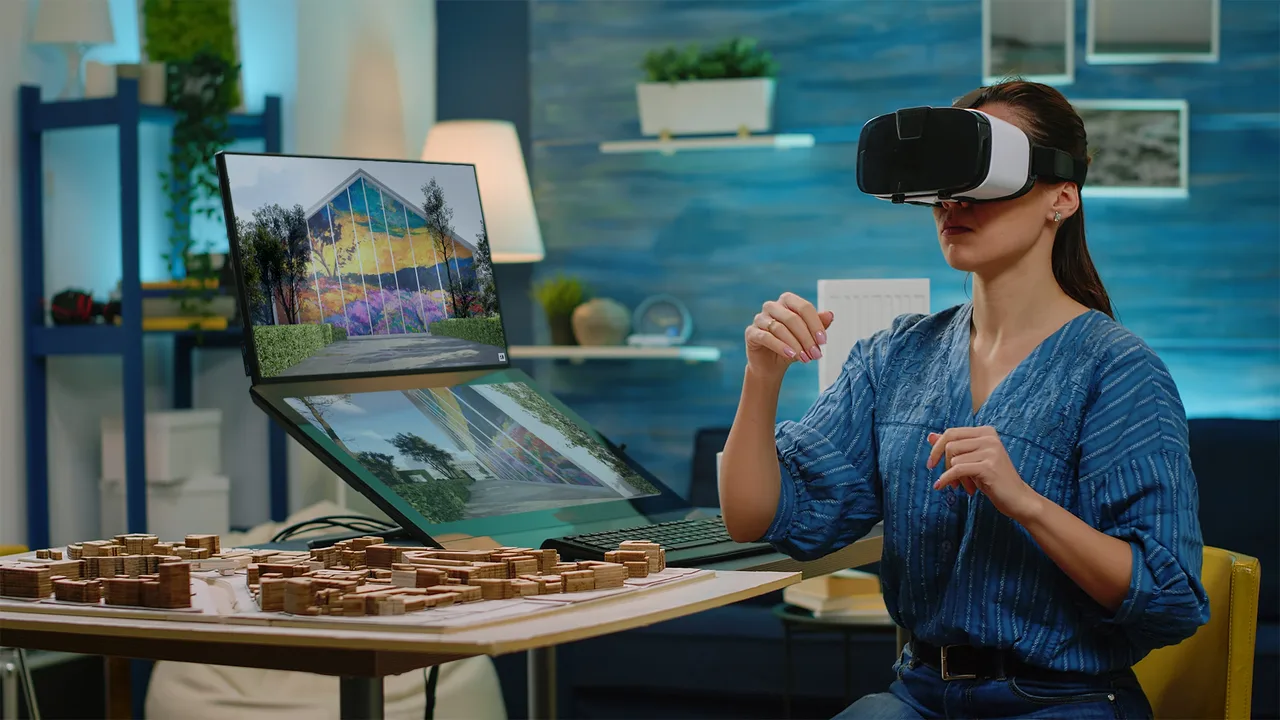
Virtual reality architecture is changing the way architects present ideas to clients, engineers, and developers. Instead of relying only on drawings or static images, designers can now create immersive environments that allow people to walk through a building before it is built. This shift has made communication easier, reduced misunderstandings, and improved decision-making during the design process.
In the past, architectural presentations depended on plans, sections, and renderings. While these tools are still important, they require experience to understand. Many clients find it difficult to imagine the real size or feeling of a space from flat images. With modern technology, virtual reality architecture allows viewers to experience a project in full scale, making presentations more realistic and more effective.
The Rise of Virtual Reality Architecture
The use of virtual reality architecture has grown quickly as digital tools become more powerful. Architects now work with advanced software that can turn 3D models into interactive environments. Instead of showing a single view, designers can allow clients to explore the project from any angle.
This change happened because traditional methods had limits. Drawings provide accurate information, but they are difficult for non-professionals to read. Renderings look realistic, but they only show selected perspectives. Virtual reality solves these problems by creating a space that can be experienced in real time.
Another reason for the rise of VR is the need for faster decisions. Large projects involve many people, and misunderstandings can cause delays. When everyone can see the same virtual model, it becomes easier to agree on design changes.
As technology becomes more accessible, virtual reality architecture is no longer limited to large firms. Smaller studios can also use VR tools to present ideas in a professional way.
Why Traditional Architectural Presentations Had Limits
For many years, architects used drawings, physical models, and computer renderings to explain their designs. These methods are still useful, but they do not always show the full experience of a building.
Two-dimensional drawings require technical knowledge to understand. Clients without design experience may not be able to imagine how the space will look in reality. Even detailed renderings can be misleading because they show only one moment from one point of view.
Another problem is scale. It is difficult to understand the real size of a room from a picture on a screen. This can lead to mistakes in layout, furniture placement, or circulation planning.
Miscommunication often happens during presentations. A client may approve a design based on drawings, but later realize that the space feels different than expected. When changes are required late in the project, cost and time increase.
Because of these limitations, many firms started using virtual reality architecture to give clients a more accurate understanding before construction begins.
VR Design and the Shift to Interactive Models
The concept of vr design allows architects to create models that can be explored instead of only viewed. In a VR environment, the user can move through the building, look around, and see how different elements work together.
This interactive approach changes the way presentations are done. Instead of showing a series of images, the architect can guide the client through the project as if they are already inside it.
- Real-time walkthrough of the building
- Ability to change materials instantly
- Viewing spaces at full scale
- Checking lighting and shadows
- Testing different layout options
Because the model is interactive, feedback becomes more precise. Clients can point to specific areas and ask for changes, which reduces confusion.
With modern vr design tools, the same digital model can also be used for rendering, animation, and technical coordination. This makes the design process more efficient.
Immersive Visualization in Modern Architecture
One of the biggest advantages of VR is immersive visualization. Instead of looking at a project from outside, the viewer feels like they are inside the space. This makes it easier to understand proportions, lighting, and atmosphere.
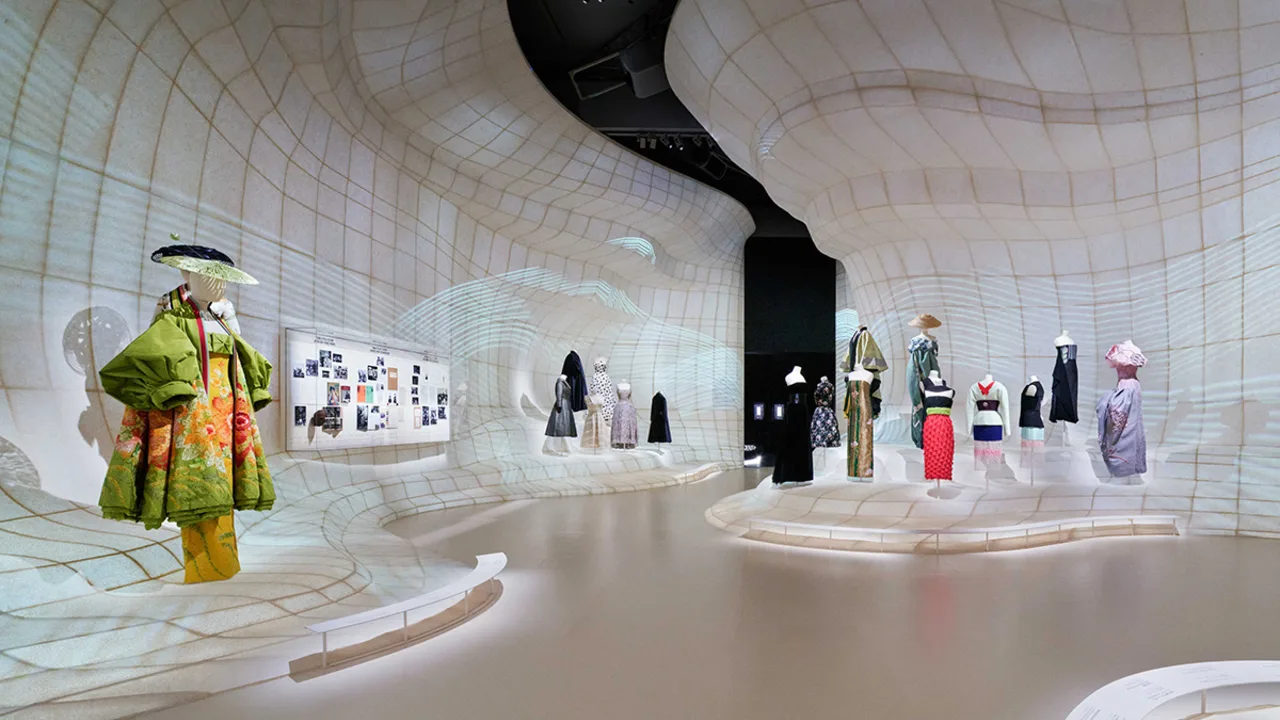
Immersive visualization is especially useful for complex projects such as museums, offices, or large public buildings. These spaces often have unusual shapes that are difficult to explain with drawings alone.
Lighting simulation is another important feature. Architects can show how natural light enters the building at different times of day. This helps clients see the real effect of windows, skylights, and artificial lighting.
Materials can also be previewed more accurately. In a virtual environment, surfaces react to light in a realistic way, allowing designers to test different finishes before construction.
Because of these advantages, immersive visualization has become a powerful tool for architectural presentations, helping both designers and clients make better decisions.
How Virtual Reality Improves Client Communication
One of the main reasons virtual reality architecture is becoming popular is better communication. When clients can see and experience the design directly, they understand the project more clearly.
This reduces the number of revisions during later stages. Instead of changing the design after construction begins, problems can be solved during the presentation phase. This saves time and money.
VR also helps when many people are involved in the project. Developers, engineers, and contractors can review the same model and discuss details together. This makes coordination easier and avoids mistakes.
Another advantage is confidence. Clients often feel more comfortable approving a design when they can explore it themselves. Seeing the project in virtual reality makes the idea feel more real and less risky.
For these reasons, many studios now consider virtual reality architecture an essential part of modern presentations.
VR in the Architectural Design Process
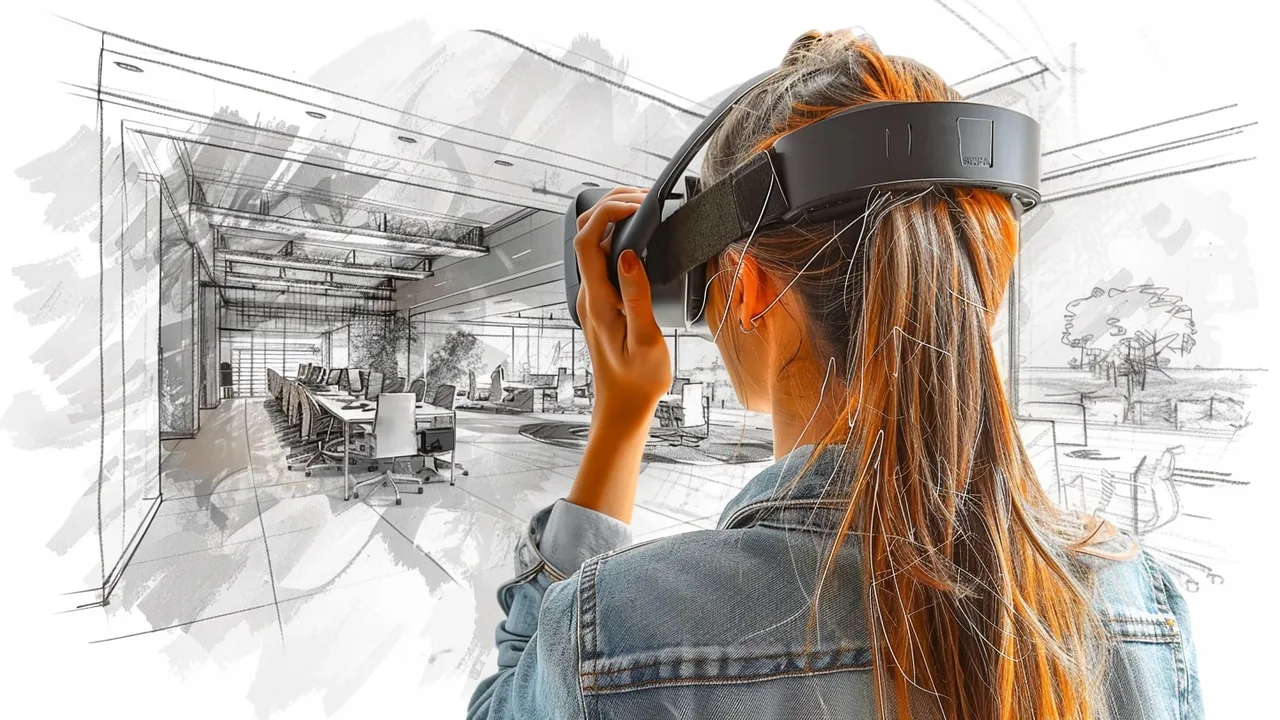
The use of virtual reality architecture is not limited to final presentations. Many architects now use VR during the entire design process, from early concept development to construction planning. This helps detect problems sooner and improves overall project quality.
At the concept stage, VR allows designers to test different ideas quickly. Instead of imagining how a space might feel, they can enter the virtual model and evaluate proportions, circulation, and layout. This makes it easier to choose the best direction before detailed work begins.
During design development, virtual models help coordinate different systems. Structural elements, mechanical equipment, and interior layouts can all be reviewed together. When conflicts are discovered early, they can be fixed without expensive changes later.
VR is also useful during engineering coordination. Architects, engineers, and contractors can explore the same model and discuss technical solutions in real time. This reduces misunderstanding and helps keep the project on schedule.
In construction planning, virtual reality architecture can show how the building will be assembled step by step. This makes it easier to plan logistics, safety procedures, and installation sequences.
Technology Behind Virtual Reality Architecture
Modern virtual reality architecture depends on several types of digital technology working together. The process usually begins with a 3D model created in architectural design software. This model is then transferred into a real-time rendering system that allows interactive viewing.
Game engines are often used to create VR environments. These programs are designed to display complex graphics smoothly, which makes them ideal for architectural visualization. With real-time rendering, changes can be seen immediately without waiting for long calculations.
VR headsets allow users to experience the model in full scale. By wearing the headset, the viewer can look around naturally and move through the space. Some systems also use hand controllers so users can interact with objects.
Powerful computers are needed to run these systems, especially for large projects. High-resolution textures, detailed lighting, and complex geometry require strong hardware to keep the experience smooth.
Research in digital design technology continues to improve these tools. Many architecture and technology publications, including resources from ArchDaily, regularly show how real-time rendering and VR software are becoming standard in professional practice.
As these tools become more affordable, virtual reality architecture is expected to become common even in smaller design studios.
Challenges of Using VR in Architecture
Although the advantages are clear, using virtual reality architecture also brings some challenges. One of the main issues is cost. High-quality hardware, software licenses, and powerful computers require investment that not every studio can afford.
There is also a learning curve. Architects who are used to traditional software may need time to understand VR tools. Creating interactive models requires additional steps compared with normal rendering.
File size can become another problem. Large architectural projects contain many details, and converting them into a real-time environment may require optimization. Without proper preparation, the system may run slowly.
Compatibility between different programs can also cause difficulty. Models created in one software must often be adjusted before they can be used in a VR engine. This adds extra work to the workflow.
Despite these challenges, many firms continue to adopt VR because the benefits in communication and accuracy often outweigh the extra effort.
Future of Virtual Reality Architecture
The future of virtual reality architecture will likely include even more advanced forms of digital interaction. Mixed reality and augmented reality are already being tested, allowing virtual elements to appear in the real world.
Artificial intelligence may also become part of the design process. AI tools could generate layout options automatically and allow architects to review them in virtual space. This could speed up early design stages.
Remote collaboration is another area of growth. With online VR platforms, people in different locations can enter the same virtual model at the same time. This makes it possible for international teams to work together more easily.
Digital twins are also expected to become common. A digital twin is a virtual model that matches the real building even after construction. This allows owners to monitor performance, plan maintenance, and test changes safely.
As technology improves, virtual reality architecture will continue to change the way projects are presented and designed. Instead of imagining buildings from drawings, architects and clients will be able to experience them directly before they exist, making the design process more accurate, efficient, and creative.