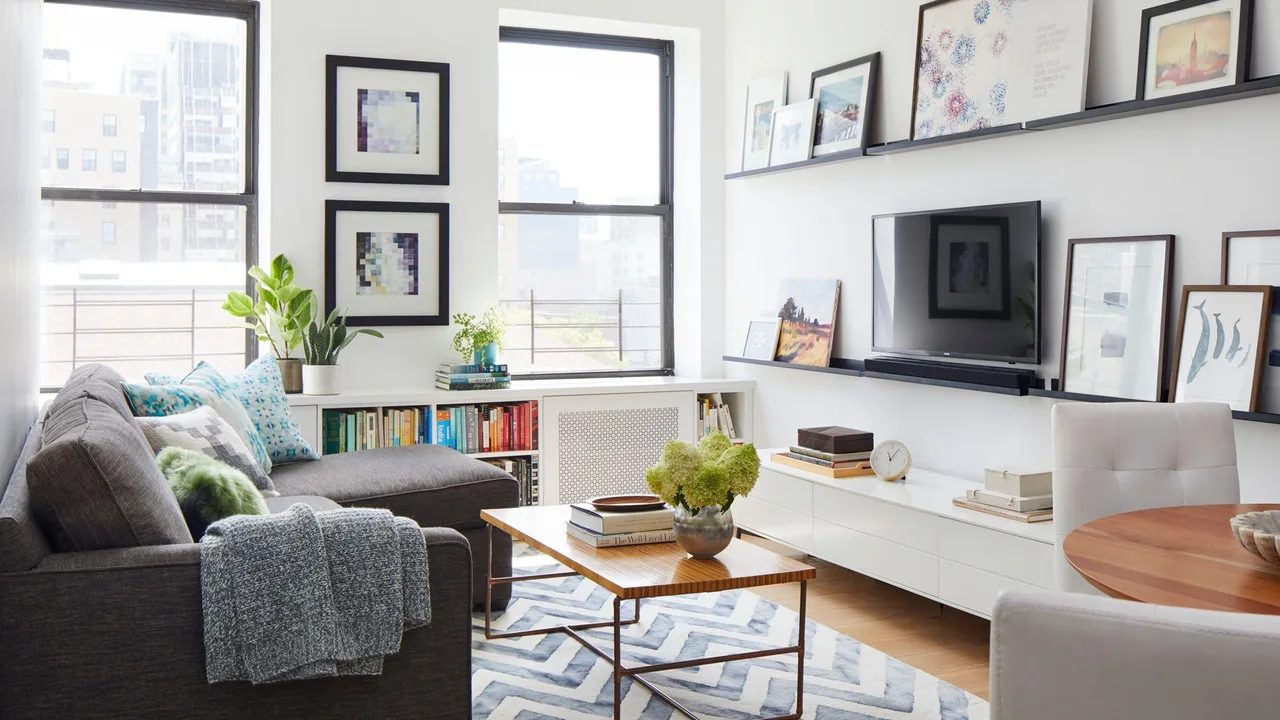
Living in a compact urban space doesn’t mean sacrificing comfort or style. In fact, small apartment design often sparks the most creative solutions. With rising property prices and shrinking square footage in major cities, mastering space saving strategies has become essential. The key is not having more space—but using every inch intentionally.
When executed properly, small apartment design blends functionality with aesthetics. By combining smart storage, minimalist living principles, and clever layout techniques, even the smallest apartment can feel spacious, organized, and inviting.
The Art of Small Apartment Design
Urban living has transformed how we think about interiors. Studio units and one-bedroom apartments now dominate city skylines. Instead of expanding outward, residents must think strategically. Small apartment design requires planning, creativity, and a clear understanding of how space saving principles work in practice.
At its core, effective small apartment design is about eliminating friction. Every piece of furniture, every storage system, and every decorative element must justify its presence. This is where minimalist living becomes more than a trend—it becomes a practical design philosophy.
By embracing intentional living and thoughtful layouts, small spaces can feel open rather than cramped.
Hack #1: Use Vertical Space Strategically
Think Up, Not Out
One of the most overlooked principles in small apartment design is vertical expansion. When floor space is limited, walls become valuable real estate. Vertical storage instantly enhances space saving potential without crowding walkways.
- Install wall-mounted shelves above desks and sofas
- Use tall bookcases instead of wide cabinets
- Add hanging kitchen racks for utensils
- Incorporate over-the-door organizers
By drawing the eye upward, vertical elements create the illusion of higher ceilings—an important psychological trick in small apartment design.
Why Vertical Space Saving Works
Vertical storage reduces floor clutter, making rooms feel larger. It also supports minimalist living by encouraging better organization. When everything has a designated place, visual noise decreases significantly.
In small apartment design, the goal is not simply to store more—but to store smarter.
Hack #2: Multi-Functional Furniture Is Non-Negotiable
Furniture That Does Double Duty
In compact spaces, every item should serve more than one purpose. Multi-functional furniture is a cornerstone of effective small apartment design. These pieces maximize space saving without compromising comfort.
Examples include:
- Sofa beds for overnight guests
- Storage ottomans for blankets and books
- Foldable dining tables
- Murphy beds that disappear into walls
Each of these options supports minimalist living by reducing the need for excess furniture.
Smart Investment for Small Apartment Design
| Traditional Furniture | Multi-Functional Alternative | Space Saving Benefit |
|---|---|---|
| Standard Bed | Storage Bed | Hidden under-bed compartments |
| Regular Coffee Table | Lift-Top Table | Work + storage combo |
| Separate Desk | Wall-Mounted Fold Desk | Collapsible workspace |
Investing in adaptable furniture dramatically enhances small apartment design efficiency.
Hack #3: Light Colors & Smart Lighting
Visual Expansion Through Color
Color plays a powerful role in small apartment design. Light, neutral tones reflect natural light and create openness. Dark colors can make rooms feel smaller when overused.
- Soft whites and creams for walls
- Pale gray or beige furniture
- Mirrors to amplify natural light
- Glass or acrylic accents for transparency
Mirrors are particularly effective in space saving strategies. When placed strategically, they double the visual depth of a room.
Lighting for Space Saving Illusion
Layered lighting is essential in small apartment design. Instead of relying solely on overhead fixtures, combine ambient, task, and accent lighting.
Wall sconces and pendant lights free up floor space compared to bulky standing lamps. Proper lighting enhances minimalist living by eliminating shadows that make corners feel tight.
According to interior lighting principles shared by the Illuminating Engineering Society, balanced lighting significantly influences spatial perception. This reinforces how critical lighting is in small apartment design.
Hack #4: Built-In Storage Solutions
Hidden Space Saving Techniques
Built-in storage is one of the most powerful small apartment design tools. Custom cabinetry maximizes awkward corners and unused areas.
- Under-bed drawers
- Built-in wardrobes
- Floating shelves
- Recessed wall niches
These features keep surfaces clear, supporting minimalist living while maintaining practicality.
Decluttering as a Design Strategy
Small apartment design works best when paired with intentional decluttering. Capsule wardrobes, limited decorative items, and organized shelving systems reduce visual chaos.
Minimalist living is not about deprivation—it is about prioritization. The fewer unnecessary items you keep, the more breathable your space becomes.
Hack #5: Zoning Without Walls
Creating Functional Zones in Open Layouts
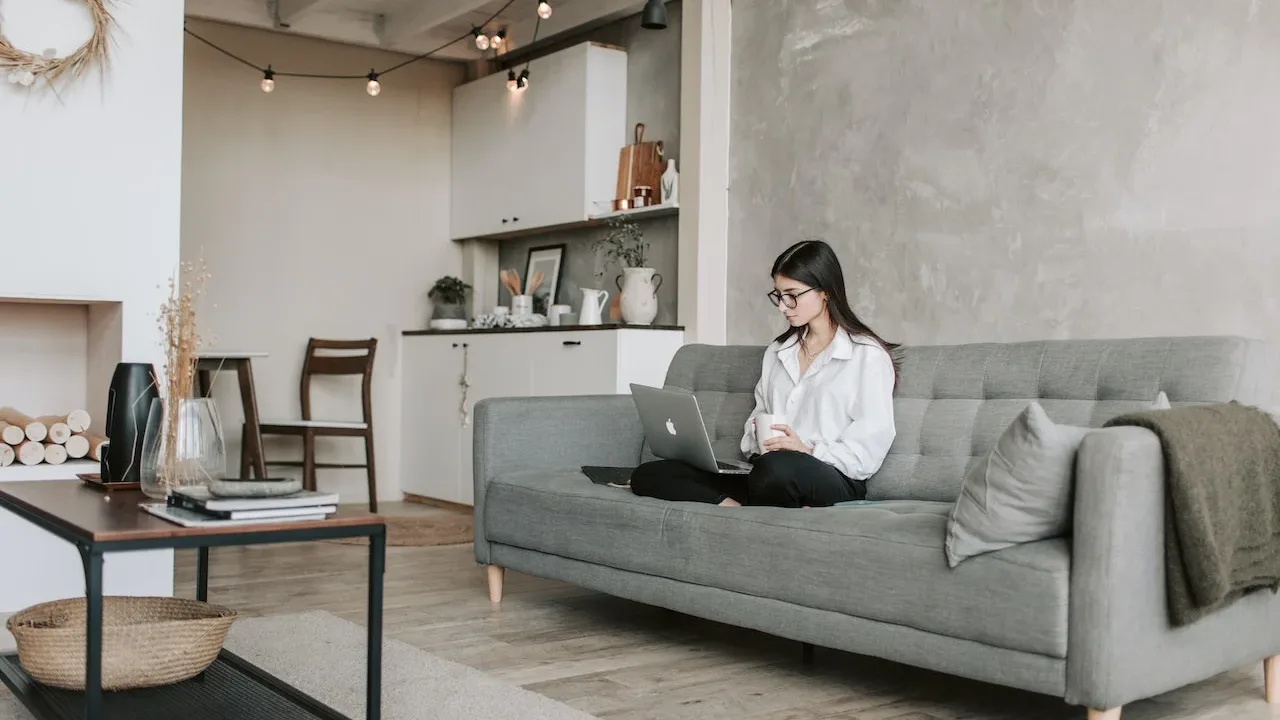
Most compact apartments use open layouts. While this creates flexibility, it can also make spaces feel undefined. Smart small apartment design uses subtle zoning techniques to separate areas without building physical walls.
- Use rugs to visually define the living area
- Place open shelving units as semi-partitions
- Install ceiling curtains for flexible dividers
- Position sofas to naturally separate zones
These space saving techniques maintain openness while improving functionality. The goal is to create purpose-driven sections—sleeping, working, dining—without sacrificing flow.
Flow and Function in Small Apartment Design
In studio apartments, zoning becomes essential. A floating desk behind a sofa can define a workspace. A slim console table can subtly divide the entry area. Effective small apartment design ensures that each square meter has a role while still feeling cohesive.
Hack #6: Embrace the Minimalist Living Mindset
Less Is More Philosophy
No amount of storage can compensate for clutter. The foundation of successful small apartment design is adopting a minimalist living approach. Intentional purchasing reduces unnecessary accumulation and enhances space saving efforts.
Consider these principles:
- Buy fewer, higher-quality pieces
- Avoid impulse decorative purchases
- Prioritize functional items over purely aesthetic ones
- Regularly declutter seasonal belongings
Minimalist living encourages breathing room—both visually and mentally.
The Psychology Behind Minimalist Living
Research in environmental psychology suggests that cluttered environments can increase stress levels and reduce focus. Simplified spaces promote calmness and clarity. In small apartment design, this psychological benefit is amplified because every object is highly visible.
When surfaces are clear and storage is intentional, space saving becomes effortless rather than forced.
Hack #7: Integrate Smart Technology for Compact Living
Compact Technology Integration
Modern small apartment design increasingly incorporates compact smart technology. These solutions reduce physical clutter while enhancing convenience.
- Wall-mounted TVs instead of bulky media consoles
- Wireless charging stations to eliminate cable clutter
- Smart lighting systems controlled via phone
- Foldable or modular appliances
Smart tech supports space saving by reducing the need for multiple devices and excessive wiring.
The Future of Small Apartment Design
As urban living continues to evolve, modular layouts and flexible furniture systems will dominate small apartment design trends. Adjustable shelving, sliding panels, and movable partitions allow apartments to adapt throughout the day.
This flexibility aligns perfectly with minimalist living principles—spaces that evolve based on need rather than remaining static.
Common Small Apartment Design Mistakes
Even with good intentions, certain mistakes can undermine effective space saving strategies:
- Overcrowding rooms with oversized furniture
- Ignoring vertical wall space
- Using dark, heavy color palettes excessively
- Lack of cohesive minimalist living strategy
A clear plan ensures that small apartment design remains intentional rather than improvised.
Small Space, Big Impact
Compact living does not mean compromising on comfort or style. With strategic small apartment design, even limited square footage can feel open and functional. By applying vertical storage, multi-functional furniture, zoning techniques, and minimalist living principles, space saving becomes second nature.
The most successful small apartment design solutions focus on clarity and intention. Every object serves a purpose. Every zone has meaning. Every design choice contributes to balance.
In the end, small spaces invite smarter living. And when approached thoughtfully, a small apartment can deliver a surprisingly big impact.