Exhibition design trends change every year as museums, galleries, and event organizers look for new ways to attract audiences. Visitors today expect more than static displays behind glass. They want immersive environments, interactive installations, and experiences that feel memorable. Because of this shift, exhibition design has moved closer to architecture, theater, and digital media than ever before.
Modern exhibitions are no longer only about showing objects. They are about telling stories, creating atmosphere, and guiding visitors through a carefully planned journey. Designers now work closely with curators, lighting specialists, engineers, and digital artists to build spaces that combine information with emotion. As a result, the latest exhibition design trends focus on experience, flexibility, and strong visual identity.
Why Exhibition Design Trends Keep Changing
The world of exhibitions evolves quickly because audiences change quickly. What impressed visitors ten years ago may now feel outdated. Technology, social media, and global travel have raised expectations, pushing designers to create displays that are more dynamic and engaging.
In the past, exhibitions often used simple layouts with objects placed in cases and text panels on the wall. This approach worked when visitors were mainly interested in information. Today, people want to feel involved in the environment. They want to move through spaces that feel carefully designed rather than simply arranged.
Another reason exhibition design trends change frequently is competition. Museums compete with digital entertainment, live events, and interactive attractions. To stay relevant, exhibitions must offer something that cannot be experienced through a screen alone.
Designers also have to consider practical factors such as budget, installation time, and transportation. Many exhibitions travel between cities, which means structures must be modular and easy to assemble. This requirement has influenced the way modern exhibitions are built.
From Static Displays to Immersive Experiences
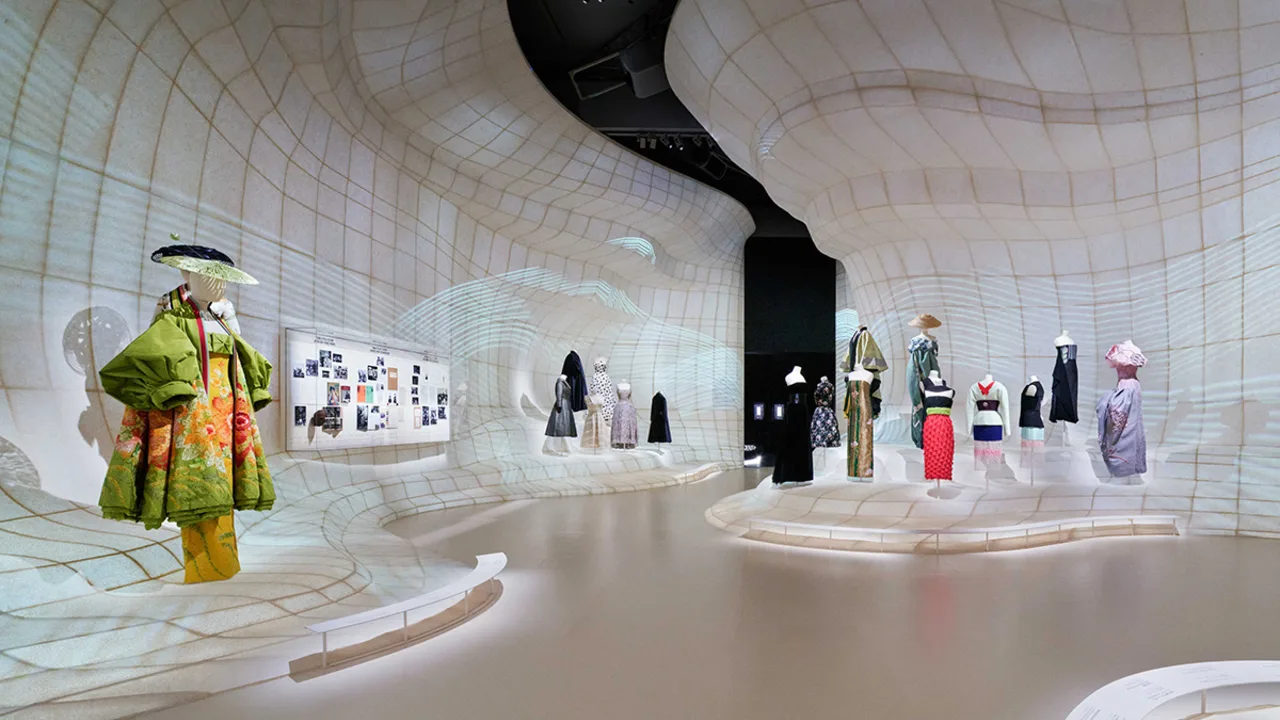
One of the biggest changes in recent years is the move from static displays to immersive environments. Instead of looking at individual objects, visitors enter a space that surrounds them with light, sound, and visuals. This approach makes exhibitions more memorable and encourages people to spend more time exploring.
Projection technology has played a major role in this transformation. Large walls can become moving images, and entire rooms can be filled with animated graphics. When combined with sound and lighting, these projections create a strong emotional effect.
Interactive elements are also common in modern exhibitions. Touch screens, motion sensors, and digital installations allow visitors to control what they see. This makes the experience more personal and keeps attention longer than traditional displays.
Immersive design does not always mean using advanced technology. Sometimes simple changes in layout, lighting, or materials can create a powerful atmosphere. The key idea behind current exhibition design trends is that visitors should feel part of the story, not just observers.
How Museum Curation Shapes Exhibition Design
Good exhibition design always starts with strong museum curation. Curators decide what story the exhibition should tell, and designers create the space that supports that story. Without clear curation, even the most advanced design can feel confusing.
Curators think about the order in which visitors see objects, the message behind each section, and the connection between pieces. Designers translate these ideas into physical form using walls, lighting, and pathways.
Important elements influenced by museum curation include:
- Object placement and spacing
- Visitor circulation routes
- Lighting focus points
- Text panel locations
- Transitions between sections
Storytelling has become a major focus in recent years. Instead of presenting objects separately, exhibitions are organized like narratives. Visitors move from one part to another as if they are following chapters of a story.
This approach makes exhibitions easier to understand and more enjoyable. It also allows designers to use different styles in different sections, which keeps the experience interesting.
Event Staging Techniques Used in Modern Exhibitions
Many modern exhibitions borrow ideas from event staging. Techniques used in concerts, theater, and fashion shows are now common in museums and galleries. These methods help create dramatic effects and control how visitors move through the space.
Stage lighting is often used to highlight specific objects while keeping the surrounding area darker. This directs attention and creates contrast. Temporary structures, similar to stage sets, allow designers to change the appearance of a room without permanent construction.
Flow planning is another concept taken from event production. Visitors are guided through the exhibition in a specific order, which prevents crowding and ensures that each section is seen as intended. In large exhibitions, controlling movement is as important as the design itself.
Because of these influences, many current exhibition design trends combine elements of architecture, performance, and visual art. The result is an environment that feels more like an experience than a display.
Technology Driving New Exhibition Design Trends
Technology has become one of the strongest forces shaping exhibition design trends. Digital tools allow designers to create effects that were impossible in the past, from interactive projections to fully virtual environments.
Projection mapping is widely used to transform walls, floors, and objects into animated surfaces. Instead of building complex physical structures, designers can change the appearance of a space using light.
Virtual reality and augmented reality are also becoming more common. Visitors can use headsets or mobile devices to see additional layers of information. This allows exhibitions to show more content without filling the space with physical objects.
Other technologies often used in modern exhibitions include:
- Interactive touch screens
- Motion sensors
- LED lighting systems
- Digital sound environments
- AI-generated visuals
These tools give designers more freedom, but they also require careful planning. Technology should support the story of the exhibition, not distract from it.
Minimalism vs Spectacle in Contemporary Exhibitions
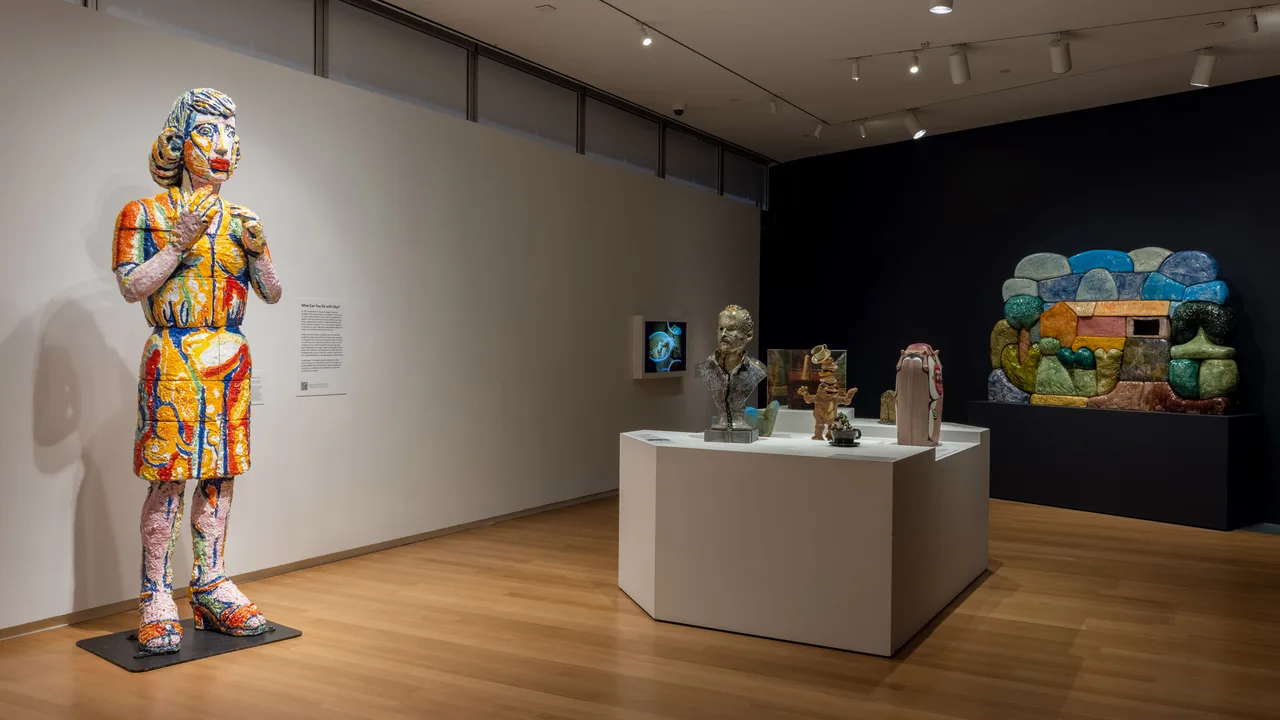
One of the most interesting aspects of recent exhibition design trends is the contrast between minimalism and spectacle. Some designers prefer clean, simple layouts that allow visitors to focus on the objects, while others create large, dramatic environments that become part of the attraction itself. Both approaches can be effective depending on the purpose of the exhibition.
Minimalist exhibitions often use neutral colors, open space, and controlled lighting. This style is common in art museums where the goal is to highlight individual works without distraction. When the environment is simple, visitors pay more attention to details and textures.
In contrast, spectacular exhibitions use large structures, strong colors, and immersive lighting. These designs are often used in traveling shows, brand exhibitions, or cultural events where the experience is as important as the content. Visitors may walk through tunnels, enter themed rooms, or interact with digital installations.
The choice between these styles depends on the message. When the exhibition is educational, clarity may be more important than visual impact. When the goal is to attract large audiences, dramatic design can create stronger interest. Because of this balance, modern exhibition design trends often combine minimal areas with more immersive sections.
Materials and Construction in Modern Exhibition Design
Another major change in recent years involves the materials used to build exhibitions. Many shows are temporary, which means structures must be lightweight, easy to transport, and quick to assemble. Designers now focus on systems that can be reused in different locations.
Modular panels are widely used because they allow flexible layouts. Walls can be moved, extended, or removed depending on the space. This makes it easier to adapt the exhibition to different buildings.
Lightweight metal frames, engineered wood panels, and composite materials are also common. These materials are strong enough for large structures but light enough to move without heavy equipment. This is especially important for international exhibitions that travel between countries.
Sustainability has become an important factor in exhibition design trends. Instead of building everything from new materials, designers try to reuse components from previous shows. Recyclable materials and low-energy lighting systems help reduce environmental impact.
Organizations involved in museum and exhibition standards often discuss sustainable construction and reuse of materials, as seen in professional resources from groups like the American Alliance of Museums, where guidelines for exhibition planning and installation are frequently updated.
Transport and installation time also affect material choice. Exhibitions often have strict schedules, so structures must be designed for quick assembly without complex tools.
Challenges Designers Face Today
Despite the creative possibilities, exhibition designers face many practical challenges. Budget is often the first limitation. Advanced technology, custom structures, and special lighting can be expensive, so designers must find ways to create strong visual impact without exceeding cost limits.
Installation time is another challenge. Some exhibitions must be built in only a few days. This requires careful planning and modular systems that can be assembled quickly.
Safety regulations also influence design. Structures must be stable, materials must meet fire standards, and visitor paths must allow safe movement even when the space is crowded. These rules sometimes limit what designers can do.
Transportation is another factor. Traveling exhibitions must fit into containers or trucks, which means large elements must be divided into smaller parts. Designers often create structures that can be taken apart and rebuilt many times.
Audience expectations are also higher than before. Visitors are used to digital entertainment, so exhibitions must offer something unique to capture attention. This pressure keeps pushing exhibition design trends toward more interactive and immersive solutions.
Global Influences on Exhibition Design Trends
Design ideas now move quickly between countries, which means exhibition design trends are influenced by global styles. European museums often focus on clean layouts and strong storytelling, while many Asian exhibitions use advanced digital technology to create immersive environments.
In the United States, exhibitions often borrow techniques from live events and entertainment shows. Large projections, stage lighting, and dramatic entrances are common in exhibitions designed to attract large audiences.
Hybrid formats are also becoming popular. A single exhibition may combine traditional displays, digital installations, and performance elements. This allows visitors to experience the content in different ways.
International collaboration has also increased. Designers, curators, and artists from different countries work together, bringing different styles into the same project. This exchange of ideas keeps exhibition design trends evolving every year.
The Future of Exhibition Design
The future of exhibition design trends will likely focus on deeper interaction, flexible structures, and more sustainable construction. As technology continues to develop, exhibitions will become more responsive to visitors and more adaptable to different spaces.
Digital tools will allow designers to change content without rebuilding the entire structure. Projection systems, interactive screens, and virtual elements can update the experience quickly, making exhibitions easier to maintain.
Sustainability will also become more important. Reusable materials, energy-efficient lighting, and modular construction will reduce waste and cost. Instead of building new structures for every show, designers will create systems that can be used many times.
Personalization may become another major direction. Future exhibitions could adjust content based on visitor preferences, language, or interests. This would make the experience more engaging and more meaningful.
As museums, galleries, and event organizers continue to compete for attention, innovation will remain essential. New technology, new materials, and new storytelling methods will keep shaping the way exhibitions are designed, ensuring that exhibition design trends continue to evolve year after year.