Cities are growing at an unprecedented pace. By 2050, nearly 70% of the global population is expected to live in urban areas. As density increases, so does the pressure on food systems, infrastructure, and environmental stability. In response, a powerful movement is emerging at the intersection of agriculture and architecture: urban farming innovation. What once seemed experimental—vegetable patches on rooftops or hydroponic containers in abandoned warehouses—is now becoming a serious component of smart construction strategies designed to support sustainable cities.
The Rise of Urban Agriculture in Modern Cities
Urban agriculture is no longer a niche hobby or a symbolic sustainability gesture. It is evolving into a structural solution for food security, environmental resilience, and community development. Urban farming innovation integrates advanced agricultural techniques directly into the built environment, transforming rooftops, façades, and even entire buildings into productive food systems.
At the same time, the construction industry is undergoing its own transformation. Smart buildings equipped with sensors, automation systems, and energy-efficient materials are redefining how cities function. When these two movements converge, the result is a new paradigm: construction that not only houses people but also feeds them.
The idea aligns closely with the broader concept of sustainable cities, which prioritize reduced emissions, local resource cycles, and resilient infrastructure. Urban farming is not merely about growing lettuce on rooftops—it represents a systemic shift in how urban spaces are designed and utilized.
Why Urban Farming Innovation Is Accelerating
Food Security and Climate Pressure
Global food supply chains are increasingly vulnerable. Climate change, geopolitical disruptions, and transportation bottlenecks have exposed the fragility of centralized agricultural systems. Long-distance food transport contributes significantly to carbon emissions, adding environmental costs to everyday consumption.
Urban farming innovation addresses this challenge by shortening supply chains. By growing produce directly within city boundaries, urban farms reduce “food miles,” enhance freshness, and improve resilience during crises. During the pandemic, for example, many cities realized how dependent they were on distant suppliers. Localized agriculture provides a buffer against such vulnerabilities.
Beyond logistics, climate adaptation plays a crucial role. Urban farms can moderate temperature extremes, improve air quality, and help cities cope with increasingly unpredictable weather patterns. These benefits reinforce their value as core infrastructure rather than optional add-ons.
Technological Advancements Driving Change
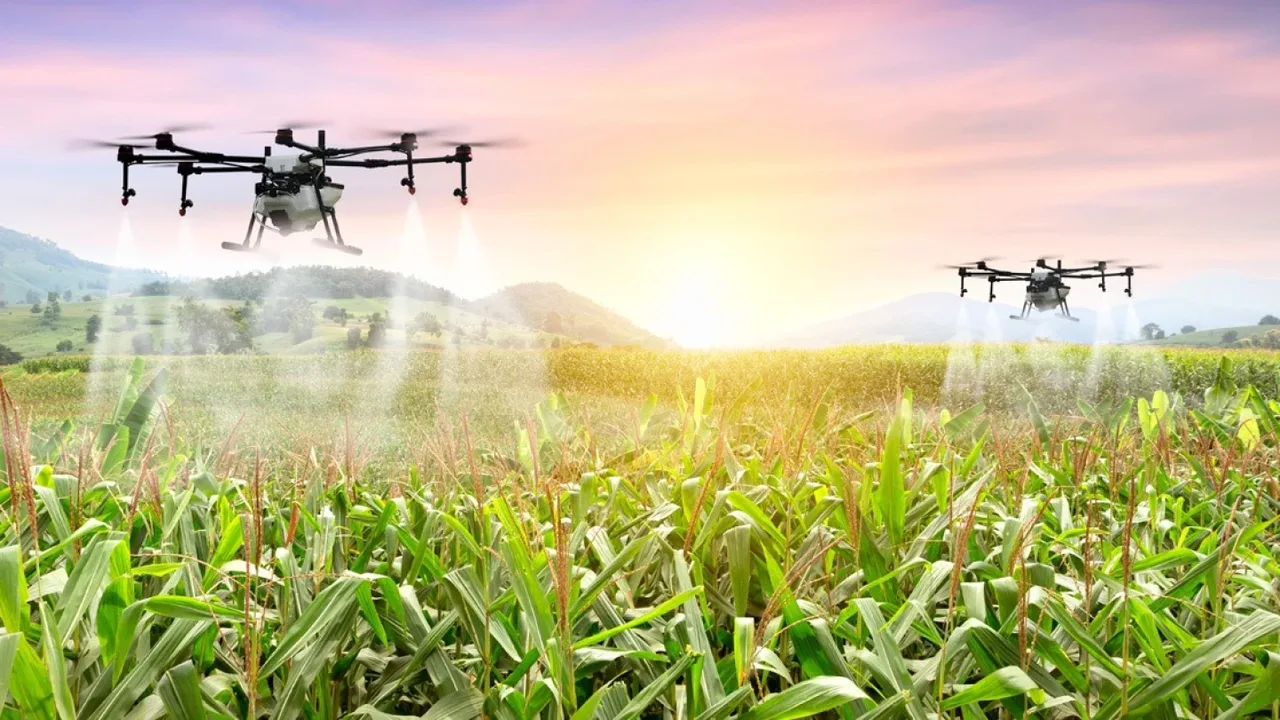
Modern urban farming innovation is powered by technology. Today’s systems rely on precision agriculture tools that would have seemed futuristic a decade ago. Sensors measure soil moisture, nutrient levels, and ambient temperature in real time. Automated irrigation systems deliver water only when needed, minimizing waste. Artificial intelligence can even predict optimal harvest cycles based on weather data and plant growth patterns.
Some of the most impactful technologies include:
- Hydroponic systems that grow plants without soil, reducing space requirements.
- Aeroponics that suspend roots in nutrient-rich mist for faster growth.
- Vertical farming racks that maximize yield per square meter.
- AI-driven climate control to maintain ideal greenhouse conditions.
These tools allow rooftops, balconies, and even high-rise façades to become productive agricultural zones. The integration of such systems into smart buildings represents a natural evolution of construction practices.
Rooftop Gardens as Infrastructure, Not Decoration
Structural Considerations in Smart Construction
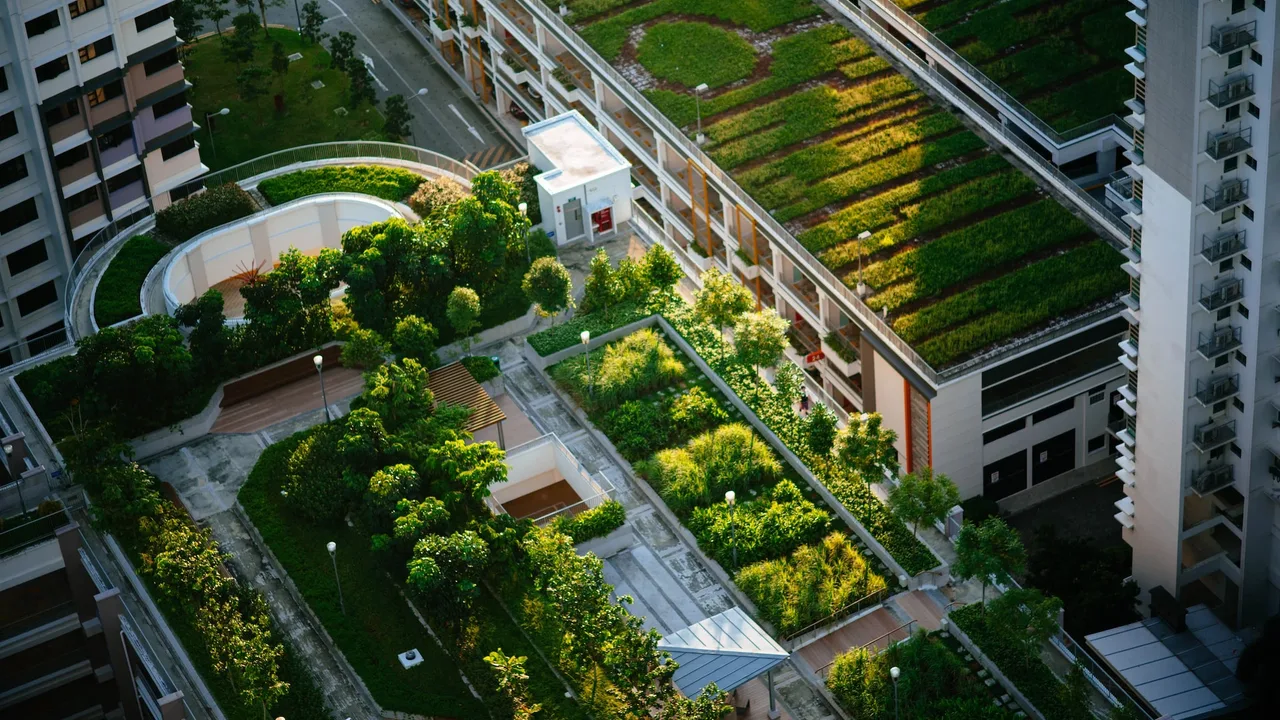
One of the most visible examples of urban farming innovation is the rise of rooftop gardens. However, designing productive green roofs requires careful engineering. Soil, irrigation systems, and plant beds add substantial weight to building structures. Load-bearing calculations, waterproofing membranes, and drainage systems must be precisely planned to prevent long-term damage.
Smart construction techniques now incorporate modular green roof systems that distribute weight evenly and allow easy maintenance. Structural engineers collaborate with agricultural specialists to ensure that food production does not compromise safety or durability.
Key technical considerations include:
| Factor | Importance | Impact on Building Performance |
|---|---|---|
| Load Capacity | Supports soil, water, and vegetation weight | Prevents structural stress |
| Waterproofing | Protects roofing materials | Extends building lifespan |
| Drainage Systems | Manages excess rainfall | Reduces leak risks |
When executed properly, rooftop gardens transform unused surfaces into productive assets that contribute directly to sustainable cities.
Environmental Benefits of Rooftop Gardens
Beyond food production, rooftop gardens offer measurable environmental advantages. They mitigate the urban heat island effect by absorbing sunlight that would otherwise heat concrete surfaces. They also enhance stormwater management by slowing runoff and reducing pressure on drainage systems.
Green roofs contribute to biodiversity by creating habitats for insects and birds, even in dense urban centers. According to environmental research compiled by organizations such as the U.S. Environmental Protection Agency, green infrastructure solutions like vegetated roofs significantly reduce runoff and improve urban air quality.
These ecological benefits reinforce the argument that urban farming innovation is not just about food—it’s about rethinking how cities function as living ecosystems.
Smart Buildings Enabling Urban Farming Innovation
Integration with Smart Energy Systems
Smart construction provides the technological backbone for large-scale urban agriculture. Buildings equipped with solar panels, energy storage systems, and advanced insulation can power climate-controlled farming spaces with minimal environmental impact. By synchronizing renewable energy production with irrigation and lighting schedules, smart systems ensure efficiency.
For instance, excess solar energy generated during peak sunlight hours can power LED grow lights in indoor vertical farms. Automated controls balance temperature and humidity to create optimal growth conditions without excessive energy consumption.
This integration demonstrates how urban farming innovation and sustainable cities evolve together. Food production becomes embedded within the urban energy cycle rather than functioning as a separate system.
Data-Driven Urban Agriculture
At the core of urban farming innovation is data. Sensors embedded in soil beds and hydroponic trays continuously measure humidity, pH levels, nutrient concentration, and light exposure. These inputs feed centralized dashboards that allow facility managers to monitor crop performance in real time. Instead of relying solely on traditional farming intuition, urban agriculture now leverages predictive analytics.
AI algorithms can forecast plant growth cycles, detect early signs of disease, and adjust irrigation automatically. This precision reduces water waste and increases yield per square meter—an essential factor in dense metropolitan areas where space is limited. In smart buildings, these systems integrate seamlessly with existing building management platforms, reinforcing the connection between urban farming innovation and intelligent construction.
Urban Farming and Sustainable Cities
Reducing Carbon Footprint
One of the strongest arguments for urban farming innovation lies in its potential to reduce carbon emissions. Conventional agriculture depends heavily on transportation networks that ship produce across regions or even continents. By contrast, city-based farming drastically cuts “food miles,” lowering emissions associated with logistics and refrigeration.
In addition, rooftop gardens and vertical farms often operate using renewable energy systems integrated into smart construction frameworks. Solar panels, battery storage, and energy-efficient LED lighting help ensure that production remains environmentally responsible. When paired with composting systems that recycle organic waste, urban farms contribute to circular resource loops that define truly sustainable cities.
By embedding agriculture directly into residential and commercial buildings, cities move closer to self-sufficiency. The environmental gains may seem incremental at first, but when multiplied across hundreds of structures, the cumulative impact becomes transformative.
Social and Economic Impact
Beyond environmental benefits, urban farming innovation generates significant social value. Community gardens foster engagement, improve access to fresh produce, and strengthen neighborhood cohesion. In underserved areas, rooftop farming projects can address food deserts by supplying affordable vegetables within walking distance.
Economically, urban agriculture opens new employment pathways. From agritech technicians managing sensor networks to designers specializing in modular rooftop gardens, a new workforce is emerging at the crossroads of construction and farming. These hybrid professions illustrate how sustainable cities depend on interdisciplinary collaboration.
Moreover, buildings that incorporate visible green spaces often command higher real estate value. Residents increasingly seek eco-conscious living environments, and urban farms provide tangible evidence of environmental commitment rather than abstract promises.
Challenges and Limitations
Cost and Initial Investment
Despite its promise, urban farming innovation is not without obstacles. Retrofitting existing buildings to support agricultural systems can be expensive. Structural reinforcement, waterproofing upgrades, and irrigation installation require careful planning and upfront capital. Smart monitoring systems and climate control technologies add further investment requirements.
However, long-term operational savings—through energy efficiency, reduced food transport costs, and improved building insulation—can offset initial expenditures. Developers must evaluate projects holistically, considering lifecycle returns rather than short-term expense alone.
Regulatory and Zoning Barriers
Municipal regulations sometimes lag behind innovation. Zoning laws may not clearly define rooftop agriculture or vertical farming facilities, leading to bureaucratic delays. Health and safety standards also vary between regions, complicating large-scale implementation.
To accelerate adoption, policymakers must update building codes to recognize agriculture as an integrated component of urban infrastructure. Forward-thinking cities that revise regulations and provide incentives will likely become leaders in urban farming innovation.
The Future of Urban Farming Innovation
Vertical Cities and Food Towers
Looking ahead, architects and planners envision mixed-use developments where residential units, office spaces, and vertical farms coexist within the same structure. Multi-level agricultural towers could produce substantial quantities of fresh food while occupying minimal land footprint.
In these “vertical cities,” food production becomes as common as parking garages once were. Integrated irrigation pipelines, modular planting systems, and AI-managed climate zones allow buildings to function as ecosystems. This evolution signals that urban farming innovation is shifting from experimental pilot projects to mainstream infrastructure planning.
Policy and Investment Trends
Global investors increasingly evaluate environmental, social, and governance (ESG) metrics when funding development projects. Buildings that incorporate agriculture and renewable energy align well with these criteria. Governments are also offering grants and tax incentives to promote green infrastructure initiatives.
As financial institutions recognize the resilience benefits of localized food production, capital will likely flow more readily into projects combining smart construction and urban agriculture. The convergence of private investment and public policy support will accelerate the normalization of rooftop gardens and vertical farms.
Building Cities That Feed Themselves
The convergence of architecture and agriculture marks a profound transformation in how cities are conceived. Urban farming innovation challenges the assumption that food production must occur far from urban centers. Instead, it reframes buildings as multifunctional systems capable of housing communities while sustaining them.
By integrating rooftop gardens, smart monitoring technologies, and renewable energy systems into construction practices, developers can create structures that contribute actively to sustainable cities. While challenges remain—financial, regulatory, and technical—the momentum is unmistakable.
Ultimately, the success of urban farming innovation depends on collaboration between architects, engineers, policymakers, and communities. When food systems become embedded in the urban fabric, cities move closer to resilience, self-sufficiency, and environmental balance. The buildings of tomorrow may not only define skylines—they may also help feed them.