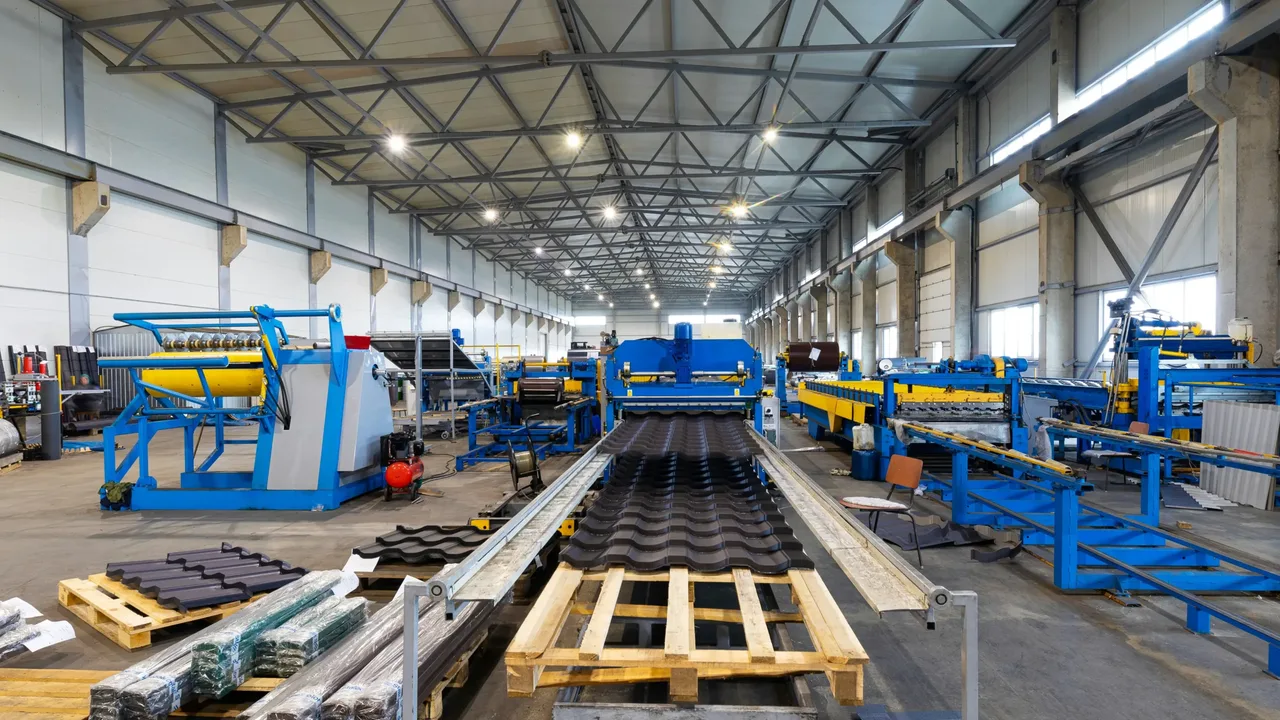
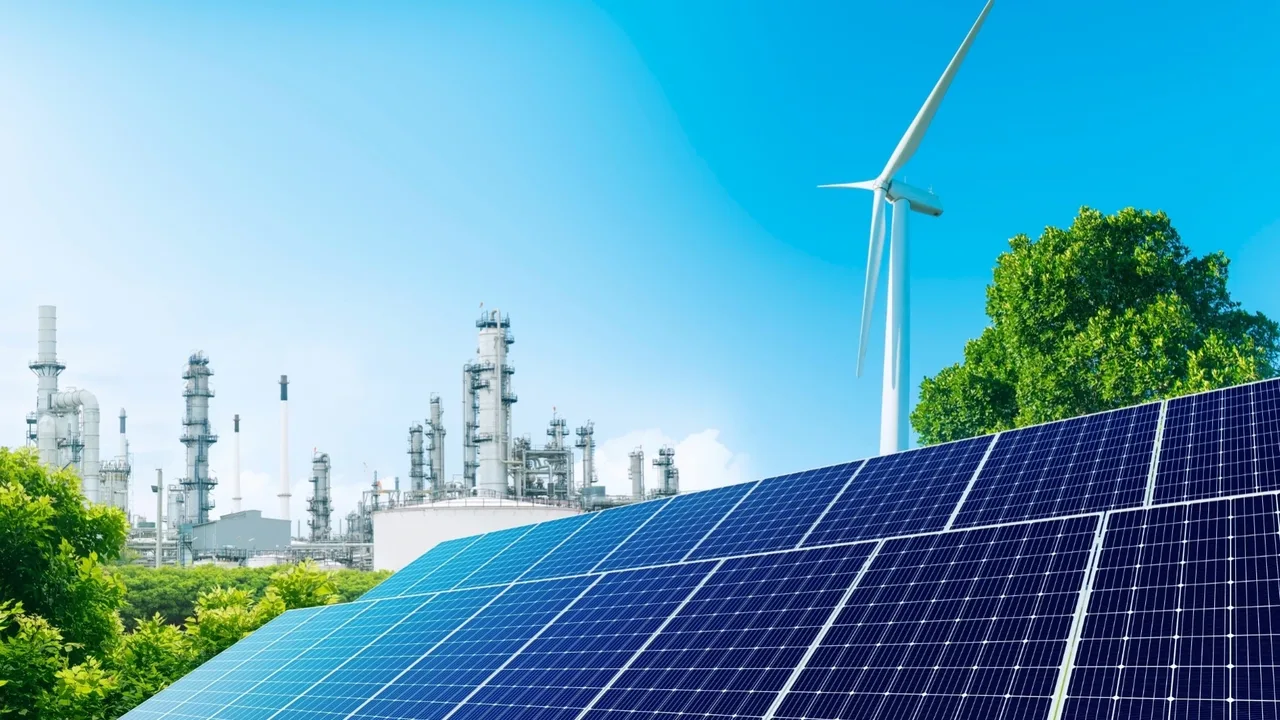
Across the global manufacturing landscape, a quiet transformation is underway. Governments, investors, and industrial operators are rethinking how factories, logistics hubs, and production clusters are planned and operated. At the center of this shift is the eco industrial park—a model that challenges the traditional idea of industrial zones as resource-hungry, high-emission spaces. Instead, these new developments aim to balance productivity with environmental responsibility, redefining what industrial growth can look like in the 21st century.
Why Industrial Development Is Being Rethought
For decades, industrial development followed a simple formula: secure land, build infrastructure, attract manufacturers, and scale output. Environmental impact was often treated as a secondary concern. Today, that approach is no longer sustainable. Rising energy costs, stricter regulations, climate commitments, and community pressure are forcing a fundamental reassessment of how industrial areas function.
This is where the eco industrial park concept comes into play. Rather than viewing factories as isolated entities, this model treats an industrial zone as an interconnected system—one where energy, water, materials, and waste are managed collectively. The goal is not to limit industrial activity, but to make it more efficient, resilient, and compatible with long-term environmental goals.
What Is an Eco Industrial Park?
Defining the Eco Industrial Park Concept
An eco industrial park is a planned industrial area designed to minimize environmental impact while maximizing economic performance. Unlike conventional industrial parks, which often focus solely on land use and logistics, eco-oriented parks integrate sustainability principles directly into their layout, infrastructure, and operational rules.
In practical terms, this means shared utilities, coordinated waste management, energy-efficient buildings, and collaborative resource use among tenants. Each company still operates independently, but within a framework that encourages cooperation and efficiency. This structure supports broader goals of industrial sustainability without compromising competitiveness.
Core Principles Behind Eco-Industrial Development
Although designs vary by region and industry, most eco-industrial parks are built on a common set of principles:
- Resource efficiency – reducing water, energy, and material consumption across the park.
- Industrial symbiosis – allowing waste or by-products from one tenant to become inputs for another.
- Integrated planning – aligning infrastructure, logistics, and utilities from the outset.
- Environmental accountability – monitoring emissions and performance at the park level.
These principles help move industrial zones away from fragmented development toward coordinated, systems-based planning.
Why Eco-Industrial Parks Are Gaining Momentum
Policy Pressure and Environmental Regulations
One of the strongest drivers behind the rise of the eco industrial park is regulation. Governments worldwide are introducing stricter environmental standards for industrial activity, particularly around emissions, water usage, and waste disposal. Traditional industrial parks often struggle to meet these requirements retroactively, while eco-industrial developments are designed to comply from day one.
In many regions, zoning policies now favor developments that align with sustainability goals. Through mechanisms like green zoning, authorities can designate specific areas for low-impact industrial activity, ensuring that growth aligns with urban planning and environmental protection strategies.
Economic Incentives and Long-Term Cost Efficiency
Beyond regulation, economics plays a crucial role. While the initial planning and infrastructure costs of an eco industrial park may be higher, the long-term operational savings are significant. Shared energy systems, centralized waste treatment, and coordinated logistics reduce duplication and inefficiency.
For manufacturers, this translates into lower utility bills, more predictable operating costs, and improved resilience against resource shortages. For developers and investors, eco-industrial parks offer stable, future-proof assets that align with ESG expectations and long-term value creation.
Key Features of a Modern Eco Industrial Park
Green Zoning and Smart Land Use
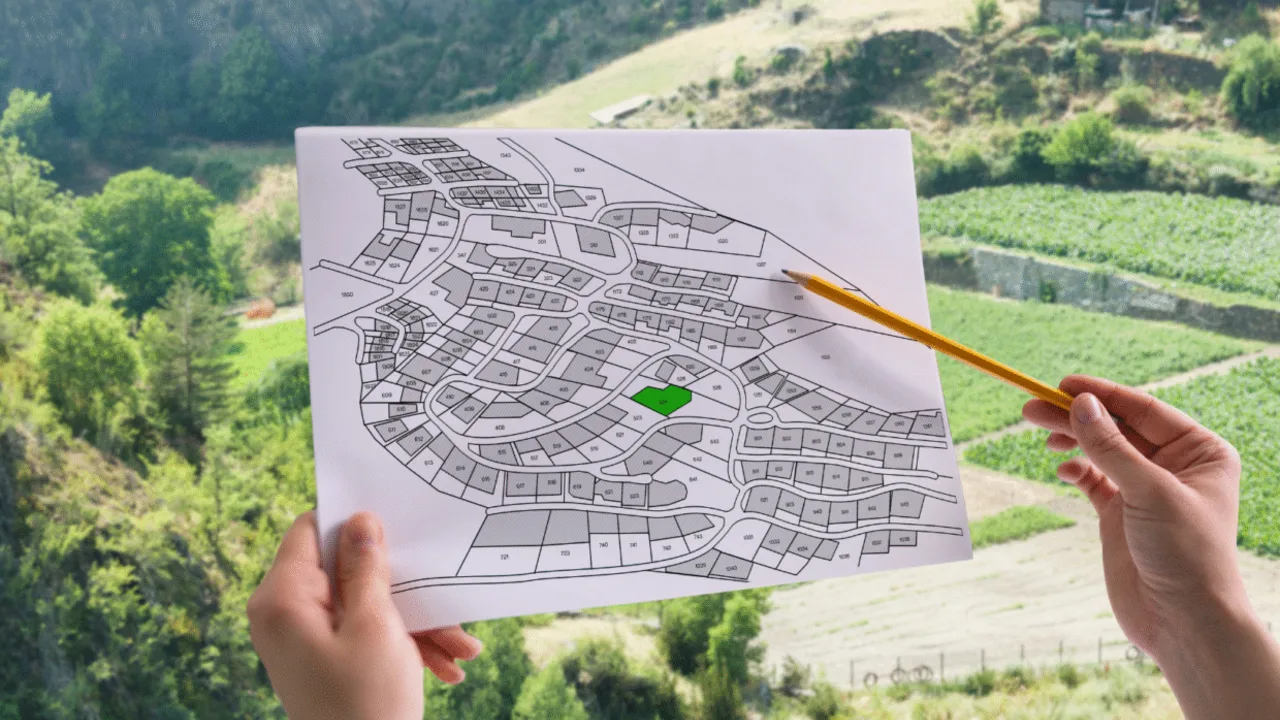
Land use planning is a defining element of any eco industrial park. Through green zoning, industrial activities are organized to minimize environmental impact and social disruption. Heavy manufacturing, light industry, logistics, and support services are strategically separated, with buffer zones and green spaces reducing noise, pollution, and visual impact.
This approach also improves safety and operational efficiency. Clear zoning reduces conflicts between incompatible activities and allows infrastructure to be tailored to specific industrial needs.
Shared Infrastructure and Resource Synergy
Another hallmark of eco-industrial development is shared infrastructure. Instead of each tenant building its own systems, core services are provided at the park level. These typically include energy generation, water treatment, waste management, and transportation networks.
| Infrastructure Element | Conventional Industrial Park | Eco Industrial Park |
|---|---|---|
| Energy Supply | Individual grid connections | Shared systems with renewables |
| Waste Management | Tenant-managed disposal | Centralized treatment & reuse |
| Water Use | Separate intake and discharge | Integrated recycling systems |
By designing these systems collectively, an eco industrial park can achieve levels of efficiency that are difficult or impossible for standalone facilities.
Industrial Sustainability in Practice
Circular Economy Inside Industrial Parks
At the heart of many eco-industrial parks is the concept of the circular economy. Instead of treating waste as an unavoidable by-product, these parks seek to keep materials and energy in continuous use. Heat generated by one factory can be reused by another, while by-products such as packaging waste or process water are redirected rather than discarded.
This circular approach strengthens industrial sustainability by reducing reliance on virgin resources and lowering disposal costs. Over time, these efficiencies compound, creating a more resilient and competitive industrial ecosystem.
Digitalization and Smart Monitoring
Modern eco-industrial parks increasingly rely on digital tools to manage complexity. Sensors, data platforms, and automated monitoring systems track energy use, emissions, and resource flows across the entire park. This transparency allows operators to identify inefficiencies quickly and continuously improve performance.
Digital oversight also supports compliance and reporting, making it easier for tenants to meet regulatory and ESG requirements while maintaining operational focus.
Global Examples of Eco-Industrial Parks
The concept of the eco industrial park is no longer theoretical. Around the world, governments and private developers are experimenting with models that combine industrial output with environmental responsibility. While each region adapts the idea to local conditions, successful projects tend to share common traits: coordinated planning, strong governance, and long-term commitment from both public and private stakeholders.
In parts of Europe, eco-industrial parks have emerged as extensions of regional climate policy, integrating renewable energy grids and shared logistics platforms. In Asia, where industrial density is higher, these parks often focus on resource efficiency and industrial symbiosis—using waste heat, treated water, or by-products across multiple factories. What unites these examples is a shift away from isolated factory thinking toward ecosystem-level planning.
What Makes an Eco-Industrial Park Work
Coordination Between Tenants
One of the most underestimated aspects of an eco industrial park is coordination. Unlike conventional industrial zones, where companies operate independently, eco-industrial developments rely on collaboration. Tenants must align production schedules, resource usage, and waste flows to unlock the full benefits of shared systems.
This coordination doesn’t happen automatically. Successful parks often have a central management entity responsible for data collection, performance monitoring, and dispute resolution. Without this layer of governance, even well-designed infrastructure can fall short of its sustainability potential.
Data, Measurement, and Accountability
Another critical factor is measurement. Claims of industrial sustainability must be supported by data—energy intensity, water reuse rates, emission reductions, and lifecycle performance. Digital monitoring systems make it possible to track these metrics continuously, turning sustainability from a static promise into a measurable outcome.
International frameworks for sustainable industrial development, such as those discussed in guidance from the World Bank, emphasize the importance of transparent indicators and third-party verification. These benchmarks help distinguish genuinely sustainable parks from developments that simply adopt green branding.
Challenges Behind the Eco-Industrial Park Model
High Initial Investment and Planning Complexity
Despite their long-term advantages, eco-industrial parks are not easy to develop. The upfront costs associated with integrated infrastructure, renewable energy systems, and digital platforms are significantly higher than those of conventional industrial zones. Developers must also navigate complex planning processes involving multiple agencies, environmental assessments, and community stakeholders.
This complexity can deter short-term investors. However, those willing to adopt a longer horizon often find that operational savings, regulatory compliance, and tenant retention offset the initial investment over time.
Governance, Compliance, and Risk of Greenwashing
Ironically, eco-industrial parks themselves are not immune to the risk of greenwashing. Without clear performance standards and ongoing audits, a park may claim sustainability without delivering measurable impact. This risk underscores the importance of governance structures that enforce accountability at both the park and tenant levels.
Clear rules on resource use, emissions reporting, and data sharing are essential. When these mechanisms are weak, the eco industrial park label can become another marketing tool rather than a reflection of genuine environmental performance.
The Future of Eco-Industrial Parks
From Industrial Zones to Industrial Ecosystems
Looking ahead, the evolution of the eco industrial park points toward a broader concept: industrial ecosystems. These are not just clusters of factories, but interconnected networks that include suppliers, service providers, research institutions, and even surrounding communities. Energy flows, material cycles, and information exchange extend beyond park boundaries, creating regional systems of sustainable production.
Advances in digital technology will accelerate this transition. Real-time data sharing, predictive analytics, and automated control systems will allow parks to optimize performance continuously rather than relying on static design assumptions.
Implications for Manufacturers and Investors
For manufacturers, eco-industrial parks represent more than a compliance strategy. They offer access to reliable infrastructure, lower operating risk, and alignment with customer expectations around sustainability. As supply chains become more transparent, companies located within well-managed eco-industrial parks may gain a competitive advantage.
Investors, meanwhile, are increasingly viewing these developments as resilient assets. By aligning with environmental regulations and ESG frameworks, eco-industrial parks reduce exposure to regulatory shocks and stranded-asset risk. Over time, this stability can translate into stronger returns.
Redefining Industrial Growth
The rise of the eco industrial park reflects a broader shift in how society views industrial growth. Productivity and environmental responsibility are no longer seen as opposing forces. Instead, they are becoming interdependent elements of modern development.
Through smart planning, green zoning, and a commitment to industrial sustainability, eco-industrial parks demonstrate that industry can grow without repeating the environmental mistakes of the past. As this model continues to evolve, it may well define the future standard for industrial development worldwide.