Heavy engineering has always operated at the edge of complexity. Massive turbines, offshore platforms, steel processing plants, and energy facilities require precision, durability, and long-term reliability. As projects grow larger and more technologically advanced, traditional monitoring and modeling methods are no longer sufficient. This is where the digital twin industry concept is transforming the landscape.
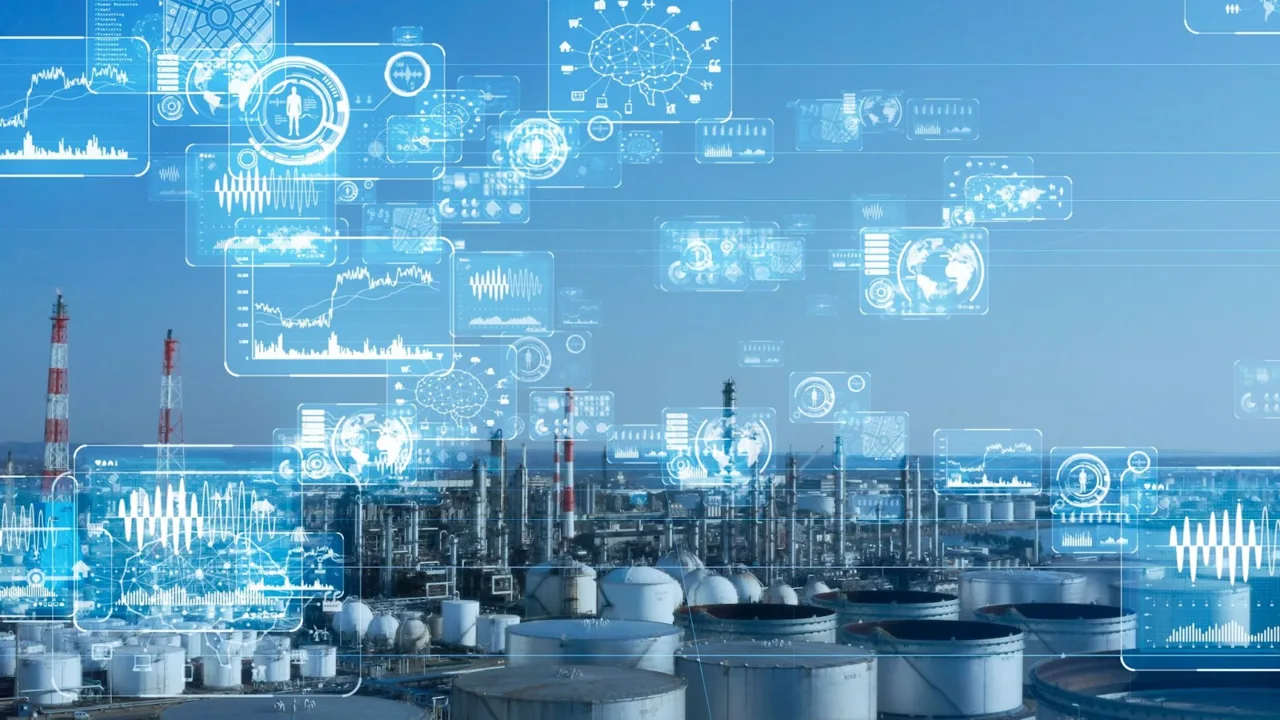
By combining real-time data, simulation technology, and advanced industrial modeling, digital twins allow engineers to create living virtual replicas of physical assets. These digital counterparts do more than visualize structures—they analyze, predict, and optimize performance continuously. In heavy engineering, where downtime and structural failure can cost millions, this innovation is nothing short of revolutionary.
Introduction — The Digital Transformation of Heavy Engineering
Heavy engineering sectors—including steel production, oil and gas facilities, shipbuilding, and power generation—depend on equipment that operates under extreme stress. High temperatures, mechanical vibration, corrosion, and constant load demand precise management. Historically, engineers relied on static models and periodic inspections to ensure system integrity.
However, the emergence of the digital twin industry approach has changed this paradigm. Instead of relying solely on historical data or scheduled inspections, engineers can now monitor performance dynamically through connected sensors and cloud-based analytics platforms. Simulation technology enables real-time adjustments and predictive analysis, reducing risk while improving operational efficiency.
What Is a Digital Twin in Industry?
Definition and Core Principles
A digital twin is a dynamic, data-driven virtual representation of a physical asset, system, or process. Unlike traditional 3D models, which are static visualizations, digital twins continuously update using real-time data from embedded sensors. This synchronization ensures that the virtual model reflects the actual condition of the physical asset at any given moment.
In the digital twin industry, this synchronization enables engineers to simulate operational scenarios, predict stress points, and optimize performance before issues escalate. The twin evolves alongside its physical counterpart, learning from operational history and environmental factors.
Key principles of digital twins include:
- Real-time data integration through IoT-enabled sensors
- Continuous simulation technology for predictive analysis
- Advanced industrial modeling to replicate complex systems
- Machine learning algorithms to improve accuracy over time
Evolution of Industrial Modeling
Industrial modeling has evolved significantly over the past few decades. Early computer-aided design (CAD) systems provided visual representations of equipment. While useful for planning and fabrication, these models lacked operational intelligence.
Today, the digital twin industry integrates CAD foundations with live operational data. Through simulation technology, engineers can replicate thermal expansion, vibration cycles, load distribution, and fluid dynamics in real time. Industrial modeling has transitioned from static blueprints to intelligent, self-updating systems.
This evolution aligns with Industry 4.0 principles, where interconnected devices and data ecosystems create smarter industrial environments.
How Digital Twins Work in Heavy Engineering
Data Collection Through Sensors
The foundation of any digital twin lies in accurate data collection. Sensors embedded within heavy machinery capture critical parameters such as temperature, vibration, structural strain, pressure, and rotational speed. These sensors transmit continuous streams of data to centralized analytics systems.
For example, in a power plant turbine, temperature fluctuations can indicate inefficiencies or material fatigue. In offshore platforms, strain sensors detect subtle structural shifts caused by environmental forces. By feeding this information into the digital twin industry framework, engineers gain unparalleled visibility into asset health.
The integration of sensor networks ensures that simulation technology operates on real-world inputs rather than theoretical assumptions.
Simulation Technology and Predictive Analytics
Once data is collected, simulation technology processes it to create predictive models. Engineers can simulate extreme operational conditions—such as overload scenarios or environmental stress tests—without exposing the physical asset to actual risk.
This predictive capability is one of the strongest advantages of the digital twin industry. Through industrial modeling combined with machine learning, the system identifies patterns that may lead to component fatigue or failure. Maintenance can then be scheduled proactively, reducing downtime and preventing costly disruptions.
| Component | Monitored Parameter | Digital Twin Function |
|---|---|---|
| Turbine Blade | Vibration & Temperature | Predict material fatigue |
| Steel Beam Structure | Load & Stress Distribution | Simulate structural integrity |
| Pipelines | Pressure & Corrosion Levels | Forecast leak risks |
Through continuous feedback loops, the digital twin refines its predictions. Over time, the gap between physical performance and digital representation becomes minimal, enhancing decision-making accuracy.
Key Benefits of Digital Twin Industry Adoption
Risk Reduction and Safety Enhancement
In heavy engineering, safety is paramount. Structural collapse, equipment failure, or overheating systems can lead to catastrophic consequences. The digital twin industry approach enables engineers to test risk scenarios virtually before they occur in reality.
By leveraging simulation technology, teams can model worst-case conditions—such as extreme weather, excessive loads, or sudden operational spikes. Industrial modeling provides a safe environment to assess vulnerabilities without jeopardizing workers or assets.
This capability strengthens safety planning, emergency preparedness, and regulatory compliance across industries.
Cost Efficiency and Lifecycle Optimization
Heavy engineering projects often span decades. Lifecycle management becomes crucial for ensuring sustained performance. Through digital twin industry systems, organizations track asset conditions continuously, optimizing maintenance schedules and extending operational lifespan.
Rather than relying on conservative maintenance intervals, companies use predictive insights generated by simulation technology. Industrial modeling ensures that components are serviced only when necessary, reducing spare part costs and labor expenses.
The financial implications are significant: fewer unexpected shutdowns, longer asset utilization, and better capital planning.
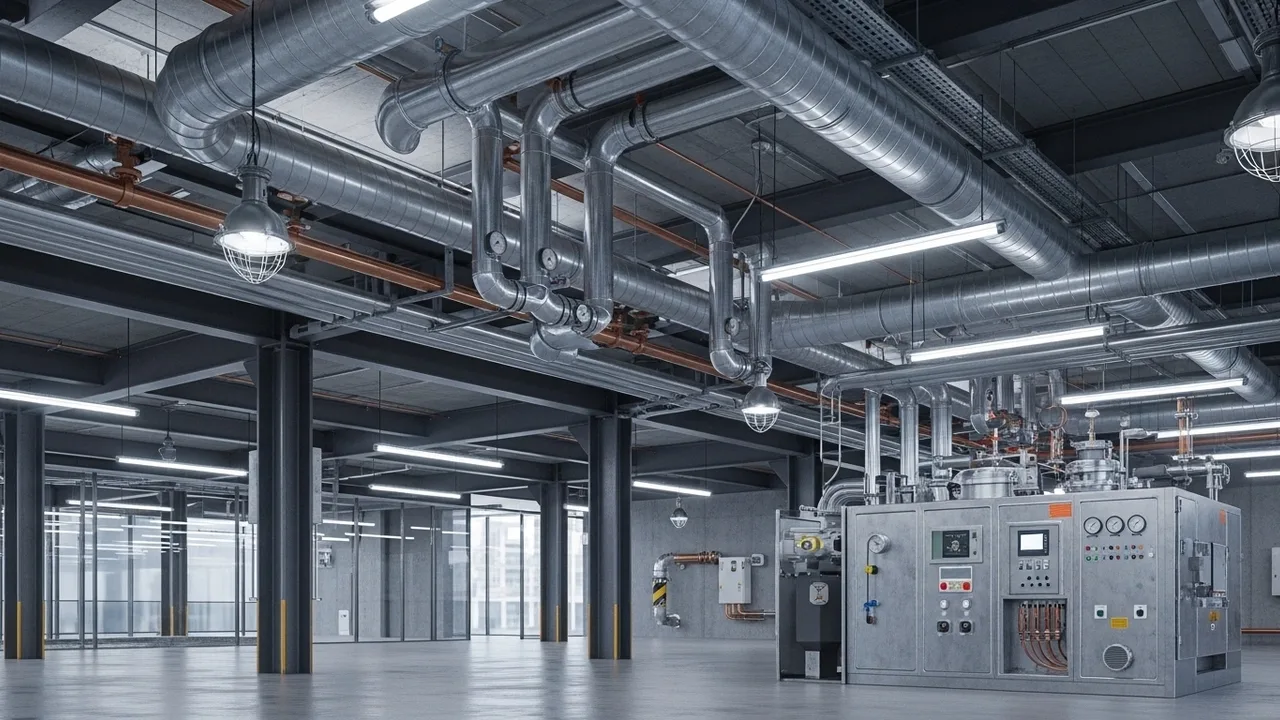
Real-World Applications of Digital Twin Industry in Heavy Engineering
Power Plants and Energy Infrastructure
Power generation facilities operate under extreme mechanical and thermal stress. Gas turbines, steam generators, transformers, and cooling systems must function continuously with minimal interruption. In this context, the digital twin industry approach provides unprecedented visibility into performance metrics.
Through advanced simulation technology, operators can replicate turbine behavior under varying load conditions without risking actual damage. Temperature gradients, vibration patterns, and rotational stress are modeled in real time using integrated industrial modeling systems. These simulations allow engineers to test efficiency improvements, fuel optimization strategies, and maintenance scheduling virtually before implementation.
By combining real-time sensor data with predictive algorithms, digital twin industry solutions reduce unplanned shutdowns and improve long-term asset reliability.
Steel and Manufacturing Facilities
Steel mills and large-scale manufacturing plants depend on synchronized processes. Blast furnaces, rolling mills, and heavy presses operate under intense mechanical loads. Even minor inefficiencies can cascade across production lines.
Using digital twin industry frameworks, plant managers can simulate production flows, thermal expansion in steel components, and structural stress in facility infrastructure. Simulation technology enables virtual commissioning—testing layout adjustments or throughput changes digitally before physical alterations are made.
Industrial modeling also improves plant layout optimization. Engineers can evaluate workflow efficiency, material transport routes, and energy distribution patterns within a virtual replica of the facility. This minimizes costly trial-and-error modifications.
Oil, Gas, and Offshore Platforms
Offshore platforms and pipeline systems face environmental challenges such as corrosion, wave impact, and pressure fluctuation. The digital twin industry model allows operators to monitor structural integrity continuously.
For example, strain gauges and pressure sensors feed live data into digital platforms that simulate worst-case scenarios, including extreme weather or seismic activity. According to research insights published by Energy.gov, simulation-driven optimization and digital modeling significantly improve industrial resilience and operational performance in heavy infrastructure sectors.
With this integration of simulation technology and industrial modeling, offshore operators can forecast maintenance requirements months in advance, enhancing safety while reducing operational risk.
Challenges in Implementing Digital Twin Industry Systems
Data Integration Complexity
Despite its advantages, implementing digital twin industry systems presents technical challenges. Heavy engineering environments generate massive volumes of data from diverse equipment types. Integrating legacy systems with modern IoT networks requires careful planning and phased modernization.
Industrial modeling accuracy depends on high-quality data inputs. Inconsistent sensor calibration or incomplete datasets can reduce simulation precision. Therefore, organizations must invest in robust data governance strategies to ensure reliability.
Cybersecurity and Data Privacy
Because digital twin industry platforms rely on interconnected networks and cloud infrastructure, cybersecurity becomes a top priority. Unauthorized access to industrial data could compromise operational integrity. Secure encryption, real-time monitoring, and multi-layer authentication systems are essential components of a resilient digital framework.
As industrial modeling systems expand globally, cross-border data compliance and privacy regulations must also be considered. Companies adopting simulation technology at scale need comprehensive cybersecurity protocols to safeguard digital assets.
The Future of Digital Twin Industry
Autonomous Engineering Systems
The next evolution of the digital twin industry lies in autonomous decision-making. As machine learning models mature, digital twins will not only simulate and predict—they will recommend or automatically implement performance adjustments.
Imagine a heavy manufacturing plant where smart systems adjust energy distribution dynamically based on operational demand. Through advanced simulation technology and adaptive industrial modeling, facilities can achieve self-optimizing performance.
This shift transforms digital twins from monitoring tools into strategic operational engines.
From Monitoring to Strategic Decision-Making
Beyond operational efficiency, digital twin industry platforms increasingly support executive-level planning. Large infrastructure projects—such as new power plants or industrial zones—can be evaluated through simulation before groundbreaking begins.
Industrial modeling allows stakeholders to analyze lifecycle costs, carbon impact, structural durability, and return on investment simultaneously. Simulation technology ensures that strategic decisions are backed by data rather than assumptions.
As global industries face pressure to improve sustainability and efficiency, digital twin industry systems provide the analytical depth required for responsible long-term planning.
Conclusion — Engineering the Future with Digital Twins
Heavy engineering is entering a new era defined by intelligence, connectivity, and precision. The digital twin industry approach integrates simulation technology and industrial modeling into a unified system that enhances safety, efficiency, and resilience.
From power plants to offshore platforms and steel facilities, digital twins reduce risk while optimizing performance across asset lifecycles. By leveraging real-time data and predictive analytics, industries move beyond reactive management toward proactive engineering.
The future of heavy engineering belongs to organizations that embrace digital twin industry innovation. As simulation technology becomes more sophisticated and industrial modeling more precise, the line between physical and digital systems will continue to blur—creating smarter, safer, and more sustainable industrial ecosystems.