Travel today is no longer just about where you go—it’s about how a place makes you feel. In recent years, hotels have transformed from neutral places to sleep into expressive environments that leave lasting emotional impressions. At the center of this shift is artistic hotel design, a design philosophy that treats hospitality spaces as living works of art rather than purely functional buildings.
From hand-painted murals and sculptural staircases to immersive lighting concepts and narrative-driven interiors, artistic hotels invite guests to step inside a curated experience. These spaces blur the line between accommodation and gallery, turning every corridor, lobby, and room into part of a broader creative vision.
When Hotels Become Living Art
Historically, hotel design prioritized efficiency, comfort, and brand consistency. Rooms looked familiar no matter the city, offering predictability above all else. While this model still dominates large hotel chains, a growing segment of the hospitality industry has moved in the opposite direction—embracing individuality, artistic risk, and emotional storytelling.
Artistic hotel design emerged from this desire to stand out. Instead of hiding behind standardized aesthetics, these hotels express identity boldly. They use architecture, interiors, and visual art as tools to communicate mood, culture, and intent. For travelers seeking inspiration rather than uniformity, artistic hotels offer something far more memorable than a good night’s sleep.
What Defines artistic hotel design?
Beyond Decoration — Hotels as Conceptual Spaces
Artistic hotels are not simply decorated with art; they are designed around a concept. Every material, color, and spatial decision serves a narrative purpose. The difference is subtle but important. While decorative hotels add artwork after the fact, artistic hotels integrate creativity from the earliest design stages.
A concept-driven hotel might explore themes such as local history, nature, surrealism, or contemporary culture. These themes influence not only wall art but also room proportions, lighting schemes, furniture forms, and circulation paths. Guests don’t just see art—they move through it.
This approach turns architecture into storytelling. Corridors become transitions between chapters, rooms become intimate scenes, and public spaces act as collective experiences where art and hospitality intersect.
The Role of Artists and Designers
One defining feature of artistic hotels is collaboration. Architects, interior designers, and artists often work side by side rather than in isolation. In some cases, hotels commission artists to create site-specific installations or even invite them to participate as long-term collaborators.
Unlike mass-produced décor, custom artwork responds directly to the building’s scale, light conditions, and cultural context. Murals may reference local folklore, sculptures might echo regional materials, and color palettes often reflect the surrounding environment. This fusion of disciplines results in spaces that feel authentic rather than staged.
Boutique Hotels as Creative Laboratories
Why Boutique Hotels Lead Artistic Innovation
When it comes to creative freedom, boutique hotels consistently lead the way. Smaller in scale and independent in operation, they are less constrained by corporate brand guidelines. This flexibility allows owners and designers to experiment with unconventional layouts, bold color schemes, and artistic risks that would be difficult to justify in large chain hotels.
Boutique hotels often position themselves as cultural destinations rather than accommodation providers. Their identity is inseparable from design, making boutique hotels natural incubators for artistic expression. Many travelers choose these properties precisely because no two rooms—or experiences—feel the same.
Local context also plays a major role. Boutique hotels frequently draw inspiration from neighborhood culture, crafts, and creative communities, reinforcing a sense of place through design.
Signature Elements of Boutique Artistic Hotels
Although each artistic hotel is unique, certain design patterns appear repeatedly in boutique properties that prioritize creativity. These elements contribute to a sense of discovery and individuality without overwhelming the guest.
- Bespoke furniture crafted specifically for the space
- Handmade materials such as ceramics, textiles, and woodwork
- Custom art installations integrated into walls, ceilings, or floors
- Non-linear layouts that encourage exploration
These features transform the hotel into an environment that feels personal, expressive, and deeply intentional.
Luxury Interiors That Redefine Hospitality
Art Meets Luxury
In high-end hospitality, creativity must coexist with comfort. The most successful artistic hotels understand that visual impact alone is not enough. Instead, they use art to elevate the experience of luxury rather than compete with it.
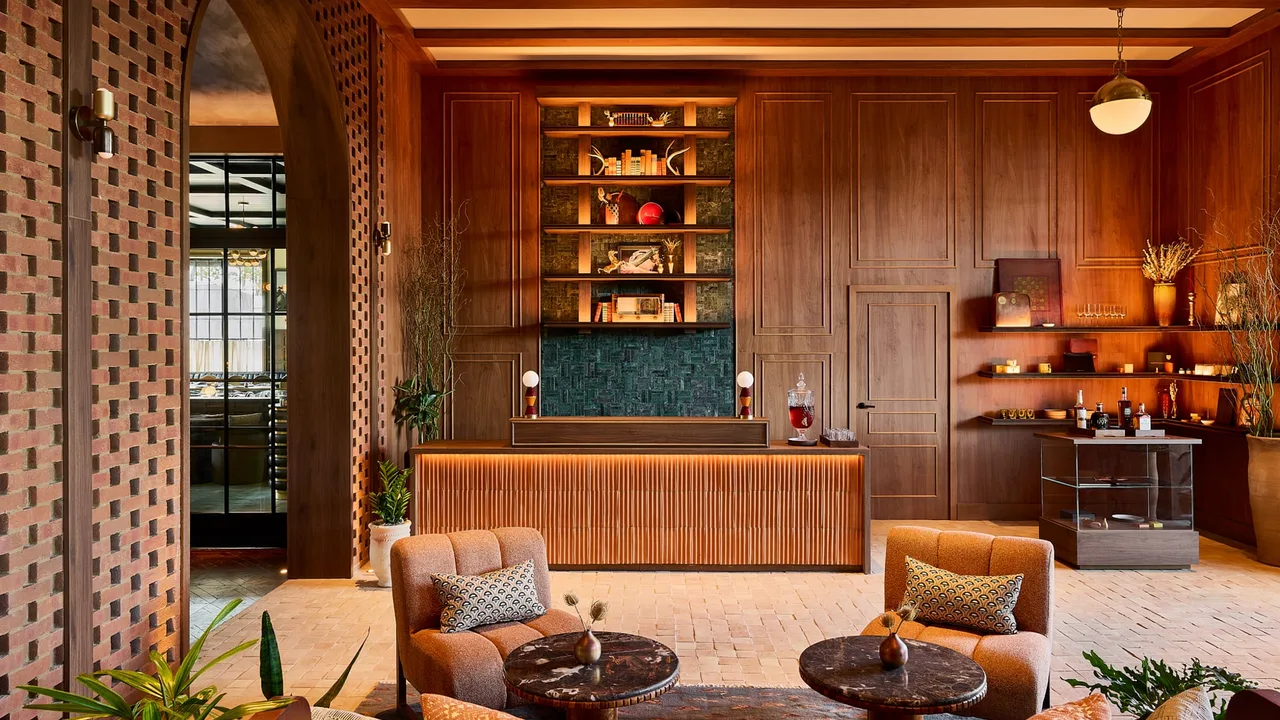
Luxury interiors in artistic hotels often rely on refined materials—stone, brass, velvet, glass—but reinterpret them in unexpected ways. A marble wall may double as a sculptural feature, or a chandelier might function as a kinetic art piece. These choices add emotional depth without sacrificing comfort.
Rather than displaying wealth overtly, artistic luxury focuses on atmosphere, craftsmanship, and storytelling. The result is a sense of quiet exclusivity shaped by creativity rather than excess.
Immersive Guest Experiences
Artistic hotels are designed to be experienced with all senses. Lighting shifts throughout the day to change mood, textures invite touch, and acoustics are carefully controlled to enhance intimacy. In some properties, guests feel as if they are staying inside a curated exhibition—one that unfolds gradually with each step.
This immersion creates powerful memories. Guests remember how a space made them feel long after checkout, strengthening emotional attachment and brand loyalty. In a competitive hospitality market, this emotional connection is one of the strongest advantages of artistic hotel design.
Iconic Artistic Hotels Around the World
Europe — Where History Inspires Art
Europe has long been a testing ground for artistic hotel design, largely because of its deep architectural heritage. Many of the continent’s most creative hotels are housed in historic buildings—former palaces, factories, monasteries, or townhouses—where old structures provide a dramatic canvas for contemporary expression.
Designers in Europe often work with contrast rather than replacement. Original stone walls, timber beams, or classical facades are preserved, while interiors introduce bold modern art, sculptural furniture, and experimental lighting. This dialogue between past and present gives guests a layered experience: staying inside history while surrounded by contemporary creativity.
Rather than feeling nostalgic, these hotels feel intellectually stimulating. Art becomes a bridge between eras, turning heritage into something living and dynamic rather than frozen in time.
Asia — Bold Concepts and Cultural Fusion
Across Asia, artistic hotels tend to embrace experimentation and cultural hybridity. Here, artistic hotel design often blends traditional motifs with futuristic forms. Minimalist spaces coexist with immersive installations, and subtle craftsmanship meets high-impact visual storytelling.
In many Asian cities, boutique hotels function as cultural statements. Designers draw inspiration from calligraphy, local materials, spiritual symbolism, and urban density, translating them into modern interiors. The result is often emotionally powerful—spaces that feel meditative in one moment and dramatically expressive in the next.
Technology also plays a larger role. Projection mapping, interactive art, and digital installations are frequently used to create environments that shift throughout the day, making the hotel feel alive rather than static.
The Americas — Art, Identity, and Storytelling
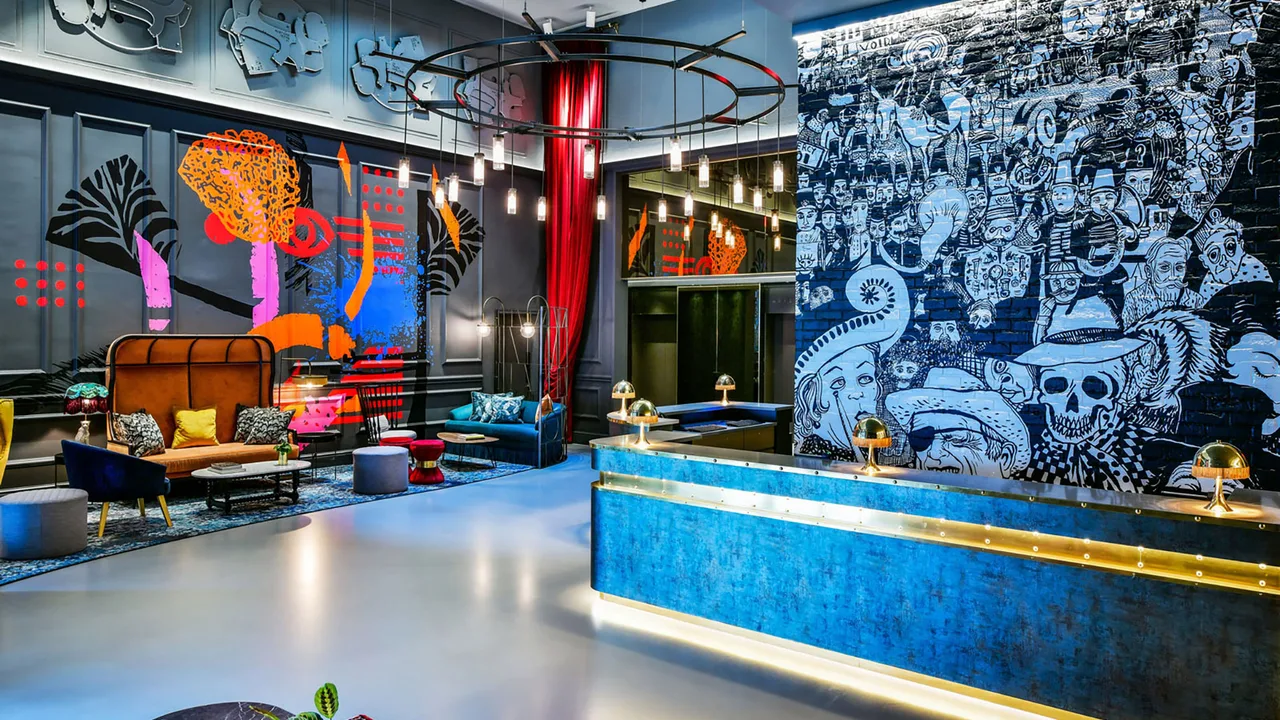
In North and South America, artistic hotels often lean heavily into narrative and identity. Design concepts may explore social themes, local creative movements, or urban culture. Murals inspired by street art, large-scale sculptures, and bold color palettes are common, especially in cities known for strong artistic communities.
Many properties in the Americas position themselves as cultural hubs rather than passive accommodations. They host exhibitions, collaborate with local artists, and design public spaces that invite both guests and locals. In this context, hotels become platforms for creative expression, not just places to stay.
The Business Value of Artistic Hotel Design
Branding Through Design
Beyond aesthetics, artistic hotel design carries real business value. In an industry where differentiation is increasingly difficult, strong visual identity becomes a powerful branding tool. Artistic hotels are instantly recognizable, often photographed, and widely shared across social platforms.
Design-driven branding creates emotional resonance. Guests don’t just remember the service—they remember the space itself. This visual memory strengthens brand recall and encourages repeat visits, particularly among travelers who prioritize experience over familiarity.
Attracting a New Generation of Travelers
Younger travelers, especially Millennials and Gen Z, tend to value uniqueness, authenticity, and creativity. They are drawn to environments that feel personal rather than standardized. For this audience, staying in a hotel with character is part of the travel story.
Boutique hotels with strong artistic identities often outperform traditional properties in engagement metrics, even if they offer fewer rooms or amenities. The experience itself becomes the product—one that guests are eager to share and revisit.
Sustainability and Artistic Expression
When Art Supports Responsible Design
Artistic expression does not exist in opposition to sustainability. In many cases, it actively supports it. Designers increasingly use reclaimed materials, adaptive reuse strategies, and handcrafted elements as both creative and environmental statements.
Recycled metals, salvaged wood, and repurposed architectural elements are often transformed into focal points—stairs, furniture, or installations—demonstrating how sustainability can enhance visual storytelling rather than limit it.
Ethical Creativity in Hospitality
True creativity also considers impact. Ethical artistic hotel design supports local artisans, preserves cultural narratives, and avoids disposable trends. Instead of chasing novelty, these hotels invest in timeless concepts that age gracefully.
This approach aligns artistic ambition with long-term value, ensuring that design remains meaningful years after opening rather than becoming visually outdated.
The Future of Artistic Hotels
Technology, Art, and Hospitality
Looking ahead, the future of artistic hotels lies at the intersection of technology and creativity. Digital art, responsive lighting, and interactive installations are becoming integral parts of hotel environments. These elements allow spaces to evolve, adapting to time, mood, or guest interaction.
Rather than replacing traditional art forms, technology expands the creative toolkit, enabling designers to craft experiences that feel immersive, dynamic, and deeply personal.
Hotels as Cultural Destinations
As cities become more experience-driven, hotels are increasingly positioned as cultural destinations in their own right. Collaborations with galleries, designers, and cultural institutions turn hospitality spaces into active participants in local creative ecosystems.
In this model, staying at a hotel becomes a cultural experience—one that connects travelers to the artistic identity of a place rather than isolating them from it.
Staying Inside a Work of Art
The rise of artistic hotel design reflects a broader shift in how people experience travel. Hotels are no longer neutral backdrops; they are expressive environments that shape emotion, memory, and identity.
Whether through boutique experimentation, luxurious interiors, or immersive storytelling, artistic hotels redefine hospitality as an experience of creativity. For travelers seeking inspiration as much as comfort, staying inside a work of art may be the most memorable journey of all.