Industrial construction has always been a balancing act between speed, durability, and budget control. As labor costs rise and project timelines tighten, developers are under pressure to deliver facilities faster without compromising performance. This is where the prefab industrial building model has gained serious momentum. By shifting critical construction activities from the job site to controlled factory environments, prefab technology is redefining how industrial projects manage costs—both upfront and over the long term.
Introduction — Why Cost Efficiency Matters in Industrial Construction
Factories, warehouses, and logistics hubs are not built for aesthetics alone; they are business assets expected to perform from day one. Every construction delay translates into lost revenue, extended financing costs, and operational setbacks. Traditional construction methods—highly dependent on on-site labor and weather conditions—often struggle to meet these economic realities.
In contrast, a prefab industrial building is designed with efficiency at its core. Structural components are engineered, fabricated, and partially assembled off-site, then transported for rapid installation. This approach minimizes uncertainty and introduces a level of predictability that conventional builds rarely achieve.
What Is a Prefab Industrial Building?
Definition and Core Principles
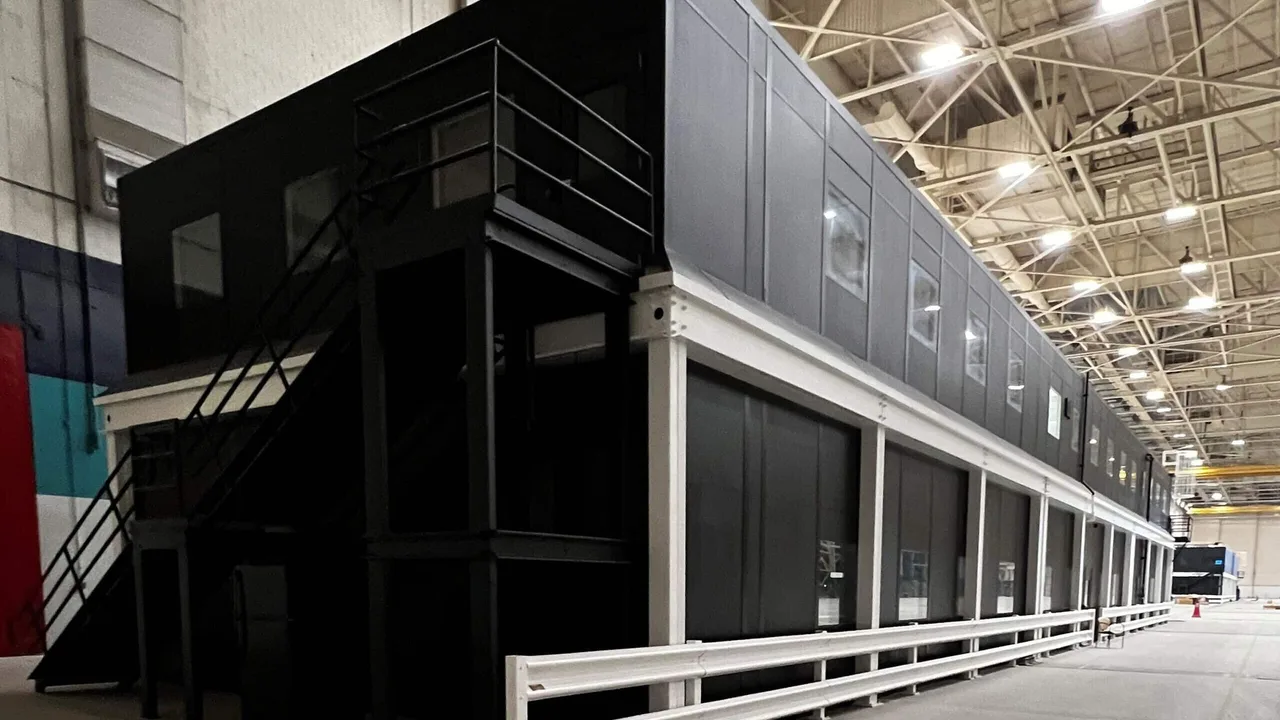
A prefab industrial building is a facility whose primary structural elements—columns, beams, roof systems, and wall panels—are manufactured in a factory setting before being assembled on-site. Unlike ad-hoc construction, prefab relies on precise engineering, standardized processes, and repeatable workflows. The result is a building system optimized for speed, accuracy, and cost control.
This approach is closely linked with pre-engineered building systems, where structural calculations, material quantities, and connection details are finalized long before construction begins. By resolving complexity early, prefab projects avoid the expensive improvisation common on traditional sites.
Prefab vs Traditional Industrial Construction
The key difference between prefab and conventional methods lies in where and how work is performed. Traditional construction concentrates most activities on-site, exposing projects to labor shortages, weather delays, and coordination errors. Prefab redistributes this workload into parallel streams—site preparation and structural fabrication happening simultaneously.
| Aspect | Traditional Construction | Prefab Industrial Building |
|---|---|---|
| Fabrication Location | Mostly on-site | Factory-controlled |
| Schedule Predictability | Low | High |
| Material Waste | Higher | Significantly reduced |
| Labor Dependency | Heavy | Optimized |
This structural shift is a major driver of construction efficiency, especially for large-span industrial facilities.
Cost Drivers in Traditional Industrial Builds
Labor, Delays, and On-Site Inefficiencies
Labor is one of the most volatile cost components in industrial construction. Skilled workers are in short supply, wages fluctuate, and productivity can vary widely across crews. On-site fabrication further compounds this issue, as coordination between trades often leads to idle time and rework.
Weather is another unpredictable factor. Rain, extreme heat, or high winds can halt steel erection entirely, extending project timelines and increasing overhead. These delays accumulate quickly, inflating costs beyond initial estimates.
Material Waste and Budget Overruns
Traditional sites frequently deal with excess material orders, cutting waste, and damage from improper storage. Design changes made mid-construction can force costly revisions, including dismantling completed work. Each of these inefficiencies chips away at budget discipline.
Without early-stage optimization, industrial projects often rely on contingency allowances to manage uncertainty—funds that could otherwise be invested more productively.
How Prefab Technology Reduces Construction Costs
Factory-Based Production and Cost Control
Prefab technology tackles cost issues at their source. In a factory environment, production is standardized, equipment is calibrated, and quality control is continuous. This consistency drastically reduces errors, rework, and material waste.
- Bulk procurement: Materials are purchased in optimized quantities, lowering unit costs.
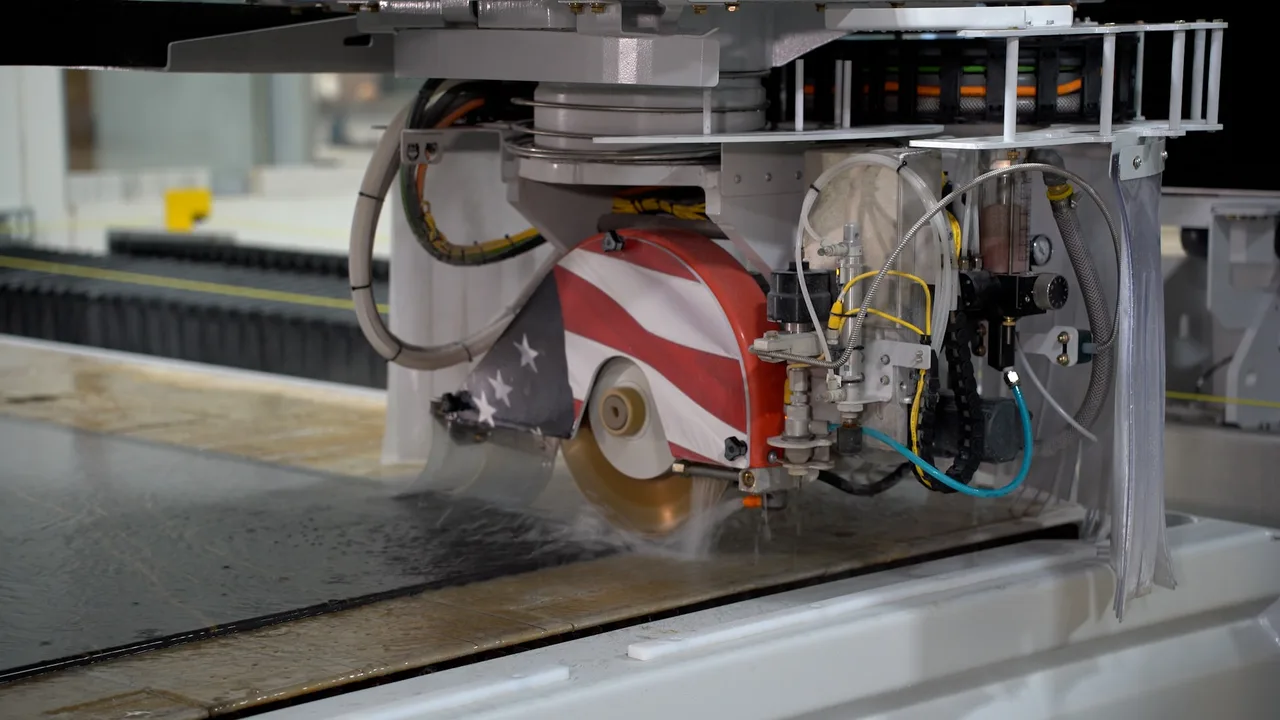
- Precision fabrication: CNC cutting and automated welding reduce tolerance issues.
- Quality assurance: Inspections occur at each production stage, not just at final assembly.
These factors combine to make the prefab industrial building model far more predictable in cost than traditional approaches.
Faster Project Timelines
Time is money in industrial development, and prefab saves both. While foundations are being prepared on-site, structural components are already in production. Once delivered, installation proceeds rapidly, often completing the building envelope weeks—or even months—earlier than conventional methods.
This acceleration improves cash flow and allows businesses to begin operations sooner. From a financial perspective, reduced construction time directly lowers interest expenses and opportunity costs, reinforcing the economic case for prefab solutions.
The Role of Pre-Engineered Building Systems
Design Optimization Before Construction Starts
Pre-engineered building systems are central to prefab cost efficiency. Engineers optimize structural spans, member sizes, and connection details based on actual load requirements, avoiding unnecessary overdesign. Every kilogram of steel is accounted for, and every connection is purpose-driven.
This front-loaded engineering effort ensures that once fabrication begins, there are no surprises. Design certainty translates directly into budget certainty—one of the most valuable assets in industrial construction.
Standard Components, Lower Risk
Standardization does not mean rigidity. Instead, it means using proven components that can be adapted to different layouts and functions. Repetition reduces learning curves, simplifies inspections, and lowers the likelihood of errors during assembly.
For developers, this reduced risk often means fewer contingencies, more accurate cost forecasting, and greater confidence in delivery schedules.
Construction Efficiency in Real Industrial Scenarios
Warehouses, Factories, and Logistics Centers
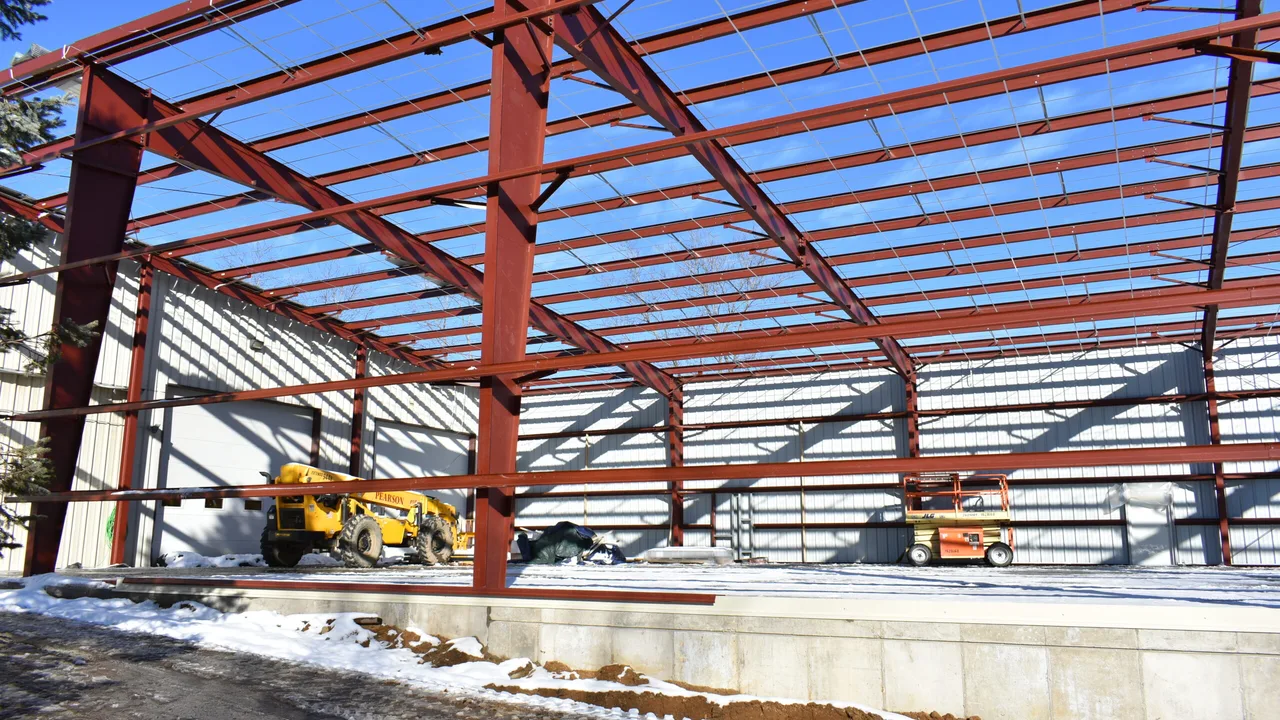
Industrial facilities with large spans and repetitive layouts are where prefab methods show their strongest economic advantage. Warehouses, manufacturing plants, and logistics hubs typically require wide, column-free spaces, fast enclosure, and minimal disruption to surrounding operations. A prefab industrial building meets these demands by delivering pre-cut, pre-drilled, and pre-assembled components that fit together with minimal adjustment on-site.
Faster enclosure means internal systems—such as racking, machinery, and utilities—can be installed sooner. For logistics operators, this can translate into earlier commissioning dates and quicker revenue generation. In cost-sensitive sectors, these time savings often outweigh marginal differences in upfront material pricing.
Scalability and Future Expansion
Another often-overlooked benefit of prefab construction is scalability. Industrial businesses rarely remain static; production capacity grows, storage needs expand, and layouts evolve. Prefab systems are inherently modular, allowing future extensions to be added with minimal disruption to ongoing operations.
Because components are standardized and documented, expansions can reuse existing connection logic and structural principles. This avoids the redesign costs and uncertainty commonly associated with retrofitting traditional buildings, further strengthening long-term construction efficiency.
Indirect Cost Savings Often Overlooked
Lower Financing and Opportunity Costs
While direct construction costs are important, indirect financial impacts often determine a project’s true economic performance. Shorter construction timelines reduce interest expenses on project financing and minimize exposure to market volatility. For owner-operators, the ability to bring a facility online sooner can be a decisive competitive advantage.
Prefab technology aligns construction schedules more closely with business planning. This predictability allows developers to coordinate staffing, equipment procurement, and supply contracts with greater confidence, reducing costly idle periods.
Reduced Maintenance and Operational Costs
Precision fabrication doesn’t stop delivering value once construction ends. Factory-controlled production results in tighter tolerances, better alignment, and improved structural integrity. These factors reduce wear on components and simplify maintenance routines throughout the building’s lifecycle.
Standardized elements also make repairs and replacements more straightforward. Instead of custom-fabricated parts, facility managers can rely on documented components, lowering downtime and maintenance expenses over decades of use.
Common Misconceptions About Prefab Industrial Buildings
“Prefab Means Lower Quality”
One of the most persistent myths surrounding prefab construction is that it sacrifices quality for speed. In reality, the opposite is often true. Factory environments enable consistent workmanship, controlled welding conditions, and rigorous inspection processes that are difficult to replicate on open construction sites.
Rather than relying on variable on-site conditions, prefab systems deliver repeatable quality backed by engineering verification. This reliability is especially critical for industrial buildings exposed to heavy loads, vibration, and continuous operation.
“Prefab Limits Design Flexibility”
Another misconception is that prefab restricts architectural and functional design. While prefab systems emphasize standardization, they are highly adaptable within defined parameters. Clear-span requirements, crane systems, ventilation layouts, and future expansion zones can all be integrated into the design phase.
By focusing on functional performance instead of unnecessary complexity, prefab solutions often achieve better results with fewer resources—aligning cost efficiency with operational needs.
When Prefab Is the Most Cost-Effective Choice
Prefab technology is particularly effective for projects that prioritize speed, repeatability, and scalability. Large industrial parks, distribution centers, and manufacturing facilities with predictable layouts benefit the most. However, prefab may be less suitable for highly irregular or one-off architectural concepts where customization outweighs efficiency.
The key lies in early decision-making. When developers and designers align project goals with prefab principles from the outset, cost savings become structural rather than incidental.
Smarter Industrial Builds Through Prefab
The economic case for prefab construction extends far beyond initial cost comparisons. By reducing labor dependency, accelerating schedules, and improving predictability, the prefab industrial building model addresses the most persistent challenges in industrial construction. Its impact is felt not only during construction but throughout the building’s operational life.
As industrial demands continue to evolve, prefab technology offers a path toward smarter, more resilient development. For decision-makers seeking efficiency without compromise, prefab is no longer an alternative—it is a strategic advantage.