

Once a marketing term reserved for entrepreneurs and executives, personal branding lifestyle has now evolved into a cultural movement. Today, everyone from students to freelancers curates their online persona with the same precision as global companies manage their brands. What began as a strategy to advance careers has turned into an ongoing performance of identity—blending business, creativity, and self-expression into one continuous narrative.
Introduction — From Career Strategy to Cultural Movement
The idea of personal branding is no longer confined to business seminars or LinkedIn posts. It has become a lifestyle, a mindset that shapes how people dress, speak, and interact online. The lines between work and leisure blur as social media turns private moments into public storytelling. What we wear, where we travel, and even how we rest are all filtered through the lens of who we are as a brand.
This shift reflects broader cultural forces. In an age defined by digital visibility, social media identity has become a form of currency. Followers and engagement are now social proof, translating into opportunities and influence. The pursuit of a personal brand has become less about self-promotion and more about survival in an attention-driven economy.
The Origins of Personal Branding
From Corporate Image to Individual Identity
The roots of personal branding trace back to corporate marketing, where image and perception shaped public trust. As globalization and mass media expanded, individuals—especially celebrities—began to mirror these corporate strategies. When management thinker Tom Peters coined the concept of “Brand You” in the late 1990s, he predicted that every person would someday become their own enterprise. He was right. The digital revolution gave everyone access to audiences once reserved for brands.
By the early 2010s, the rise of influencers solidified this transformation. Social media created direct, personal channels where individuals could control their narrative. What used to require press releases or ad agencies could now be done through a single post. From beauty vloggers to financial coaches, millions built micro-economies around identity.
Technology and Democratization of Image
The rise of smartphones, high-speed internet, and easy-to-use design tools made professional self-presentation accessible to all. Suddenly, personal websites and social profiles became portfolios of one’s lifestyle and values. The skill of self marketing—once considered a niche talent—became essential for anyone seeking visibility in competitive fields.
But technology didn’t just enable self-promotion; it changed the meaning of authenticity. Users began performing sincerity, sharing curated “real moments” designed to look spontaneous. The more digital spaces expanded, the more carefully people sculpted their online selves, often without realizing it. The digital democratization of branding gave rise to a paradox: freedom of expression, but also the pressure to perform constantly.
The Social Media Identity Era
Performing Authenticity Online
In the age of constant connectivity, authenticity has become an aesthetic. People want to appear genuine, yet algorithms reward perfection. This creates a tension where being “authentic” becomes another branding choice. A travel influencer posts an unfiltered photo with the caption “no makeup,” yet the moment is preplanned. A business coach shares a failure story—not to be vulnerable—but to increase engagement. The performance of realness is now part of the strategy.
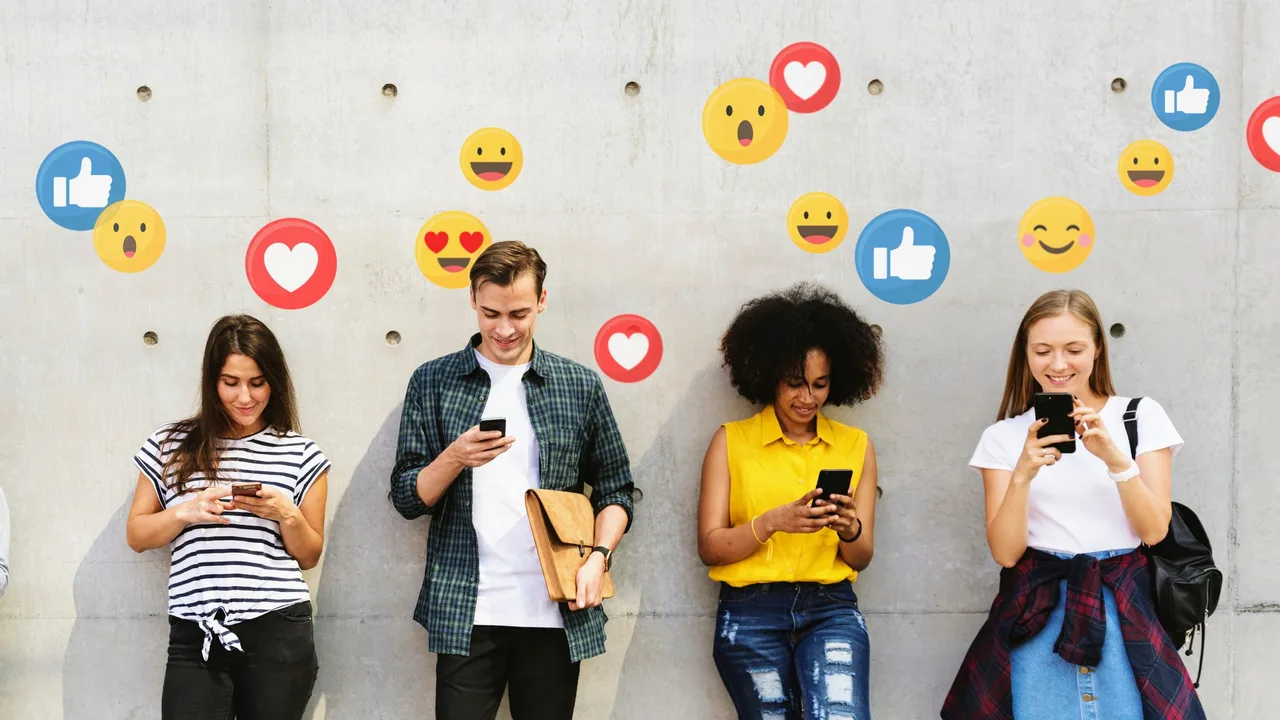
The personal branding lifestyle thrives on this dynamic. Every social platform—Instagram, LinkedIn, TikTok—encourages identity as performance. The modern feed isn’t just a digital diary; it’s a storefront for personality, achievements, and values. The more consistently someone communicates their story, the more credible their brand becomes.
The Algorithm and Self-Perception
Algorithms don’t just control what we see—they shape how we see ourselves. Each like, share, and comment subtly reinforces behaviors that align with engagement trends. Over time, users internalize these patterns, curating content not to express themselves, but to feed the system. What starts as storytelling becomes self-optimization.
Psychologists have observed how the pursuit of online validation can trigger identity fragmentation. The gap between one’s authentic self and one’s projected image widens, leading to anxiety, burnout, and emotional detachment. Insights from Psychology Today highlight how digital personas influence mental well-being, illustrating that performance-based self-worth is rarely sustainable in the long run.
When Branding Becomes a Lifestyle
Blurring the Line Between Work and Self
In today’s culture, the workplace has expanded into everyday life. Freelancers market their routines, CEOs share morning rituals, and artists livestream their process. The personal brand no longer switches off after office hours—it’s always on. This blending of personal and professional spheres makes it harder to distinguish between genuine expression and strategic communication.
Even offline, people curate their experiences as extensions of their online presence. Coffee shops, gym memberships, travel destinations—all become part of one’s narrative. The personal branding lifestyle turns daily choices into content opportunities. The result is a paradox: individuals claim authenticity but live under continuous public scrutiny.
The Emotional Cost of Self Marketing
The constant need to project confidence, creativity, and success takes an emotional toll. Many creators and professionals experience identity fatigue—the exhaustion of maintaining a polished persona while dealing with private struggles. This phenomenon, sometimes called “brand burnout,” mirrors the pressure once reserved for celebrities but is now shared by millions of ordinary people.
While self marketing can open doors, it can also trap individuals in the very image they built. The challenge is finding a balance between visibility and vulnerability, between aspiration and honesty. Without that balance, the brand can start to consume the person behind it.
The Business of the Self
Monetizing Personality
The digital economy has turned personality into a marketable product. Social platforms have blurred the boundaries between creativity, influence, and commerce, giving rise to an industry built on identity. The personal branding lifestyle thrives here—where content, charisma, and connection become valuable assets. For many, being authentic is not just a virtue; it’s a business model.
Creators monetize everything from morning routines to book recommendations, and professionals leverage their reputation for consulting, sponsorships, or brand partnerships. The influencer economy, once dismissed as a fad, has evolved into a multi-billion-dollar ecosystem. What’s more, it has reshaped expectations for every profession: architects, fitness trainers, lawyers, and even teachers are expected to maintain a consistent online presence. Visibility itself is now a form of capital.
The New Definition of Success
In the past, success was measured by stability—salary, title, or tenure. In the digital age, it’s measured by visibility. The follower count replaces the business card. A viral post can bring more career opportunities than years of quiet excellence. This shift reflects a cultural transition from production to perception: being seen often matters more than what’s being made.
Still, the new era of self marketing offers opportunities for empowerment. Marginalized voices, once excluded from traditional media, now reach global audiences. Independent creators can build careers without intermediaries. Yet the same freedom brings responsibility—to remain authentic and avoid reducing identity to performance metrics. The healthiest brands are those rooted in purpose, not popularity.
Reclaiming Control — Building a Healthier Relationship with Branding
Redefining Authenticity
As awareness grows, many individuals are rejecting the constant pressure to “stay relevant.” A quiet counterculture is forming—one that values transparency and intentionality over perfection. Redefining authenticity means detaching identity from engagement statistics and rediscovering personal meaning beyond digital approval.
Practical steps toward a healthier relationship with one’s brand include:
- Setting boundaries for online visibility and private life.
- Creating content that aligns with genuine values rather than trends.
- Scheduling digital breaks to prevent burnout and creative fatigue.
- Engaging in real-world experiences that aren’t designed for sharing.
The essence of the personal branding lifestyle should not be self-promotion at all costs, but rather self-awareness—knowing how your presence influences others and what story you truly want to tell.
The Future of Personal Branding Lifestyle
Looking forward, personal branding will continue to evolve as technology advances. Artificial intelligence now allows individuals to manage multiple digital personas, automate social engagement, and even generate AI-based content in their voice. While this expands creative potential, it also raises questions about authenticity and emotional labor in a world where even “realness” can be programmed.
At the same time, digital minimalism is gaining traction. Many users are beginning to value smaller, more private circles of influence rather than mass visibility. The next phase of personal branding may emphasize depth over reach—fewer followers, but stronger, more meaningful relationships. Ethical engagement, community impact, and transparency could become the new hallmarks of success.
Conclusion — Living Beyond the Brand
Personal branding began as a tool for career advancement but has evolved into a defining feature of modern identity. The rise of the personal branding lifestyle reflects a world where work, image, and selfhood have merged. While this fusion has created unprecedented opportunities, it has also blurred the line between living and performing.
The future of personal branding depends on balance—between self-expression and self-preservation, between being visible and being real. In an age where everyone is their own marketer, the most radical act may simply be to exist authentically, without seeking validation from metrics. After all, the most powerful brand is one that doesn’t need constant performance to feel true.