The manufacturing world is undergoing a quiet revolution. As climate commitments tighten and global policies demand accountability, industrial leaders are embracing the concept of the carbon neutral factory. These advanced facilities are reshaping how goods are produced—powered by green energy, guided by data, and designed to leave almost zero environmental footprint. What was once an environmental aspiration has become a competitive advantage and, increasingly, a necessity for survival in a decarbonizing economy.
Introduction — The Race Toward Carbon Neutrality
For decades, factories have symbolized both progress and pollution—driving economies while emitting vast quantities of greenhouse gases. Today, that image is changing fast. The industrial sector, responsible for roughly a quarter of global CO₂ emissions, is under unprecedented pressure to transform. The rise of the carbon neutral factory marks a new era where sustainability and productivity no longer exist in opposition.
Carbon neutrality refers to the balance between emissions produced and emissions removed from the atmosphere. In the context of manufacturing, this means rethinking everything—from energy sourcing and material use to logistics and waste management. With the help of innovation, automation, and ethical strategy, industrial giants are now setting measurable targets to reach net-zero operations within the next two decades.
What Makes a Factory Carbon Neutral?
Understanding the Carbon Balance
To understand a carbon neutral factory, one must start with its fundamental principle: balance. Every process within a factory—from powering machinery to transporting goods—produces greenhouse gases. Achieving neutrality means reducing those emissions as much as possible and offsetting the rest through verified carbon removal or compensation projects.
The distinction between “carbon neutral” and “net-zero” lies in scope. While carbon neutrality often covers operational emissions, net-zero aims to eliminate the entire lifecycle footprint, including supply chain and product end-use. Both rely heavily on accurate measurement, transparent reporting, and long-term accountability.
Emission Reduction vs. Carbon Offsetting
There’s a crucial hierarchy in sustainability: reduce first, offset later. Genuine environmental impact doesn’t begin with purchasing carbon credits—it starts with cutting emissions at the source. Factories implement strategies such as:
- Energy optimization – using AI to monitor power consumption and identify inefficiencies.
- Material efficiency – minimizing raw material waste through recycling and reuse.
- Waste heat recovery – capturing residual heat from industrial processes to generate power or warm facilities.
Once these measures are in place, offsetting comes into play to neutralize the remaining emissions through projects like reforestation, renewable energy funding, or carbon capture technology. The goal is to ensure that offsets complement—not replace—genuine reductions.
Inside a Carbon Neutral Factory
Energy Transformation with Green Power
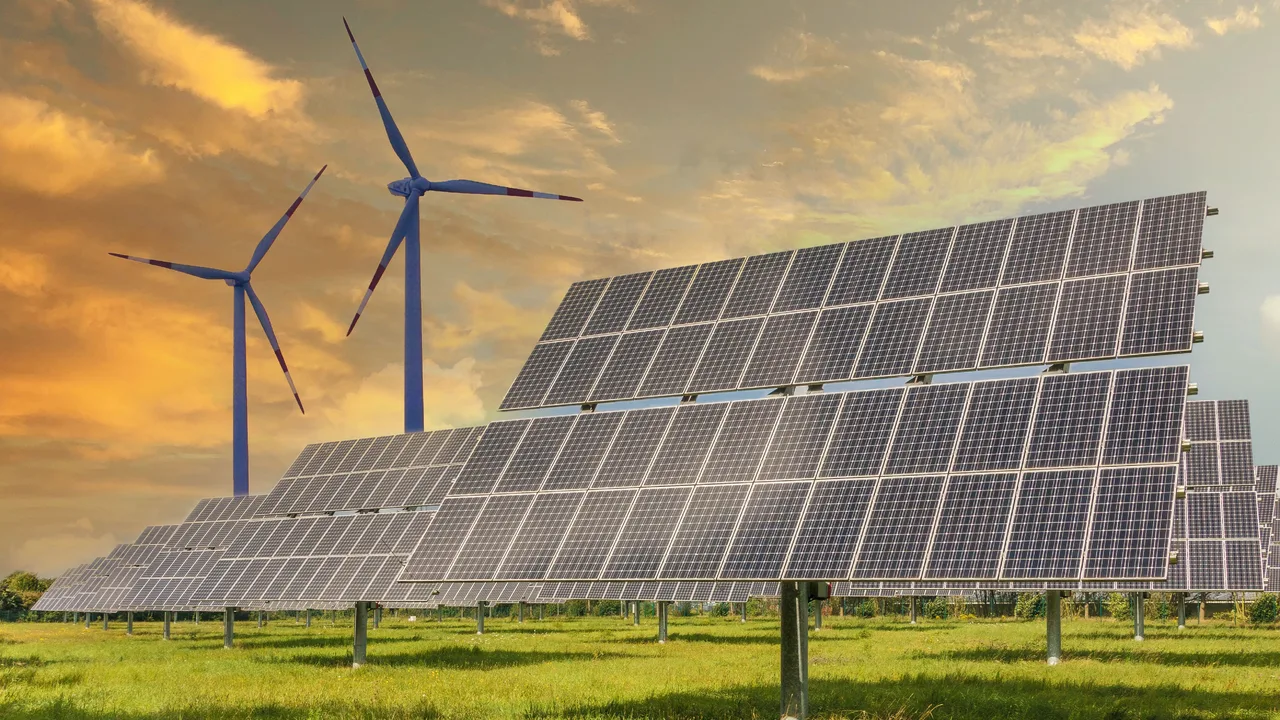
At the core of every carbon neutral factory lies a shift from fossil fuels to green energy. Renewable power sources such as solar, wind, hydro, and biomass are replacing traditional grids. Many facilities are also deploying hybrid systems that combine on-site generation with energy storage to maintain reliability.
For instance, an automotive plant may install solar panels across its roof to power assembly lines while drawing supplemental energy from wind farms. The integration of battery storage ensures that energy demand remains stable even when renewable supply fluctuates. This closed-loop system not only reduces emissions but also guards against rising fuel costs and energy shortages.
Digital Efficiency and Smart Automation
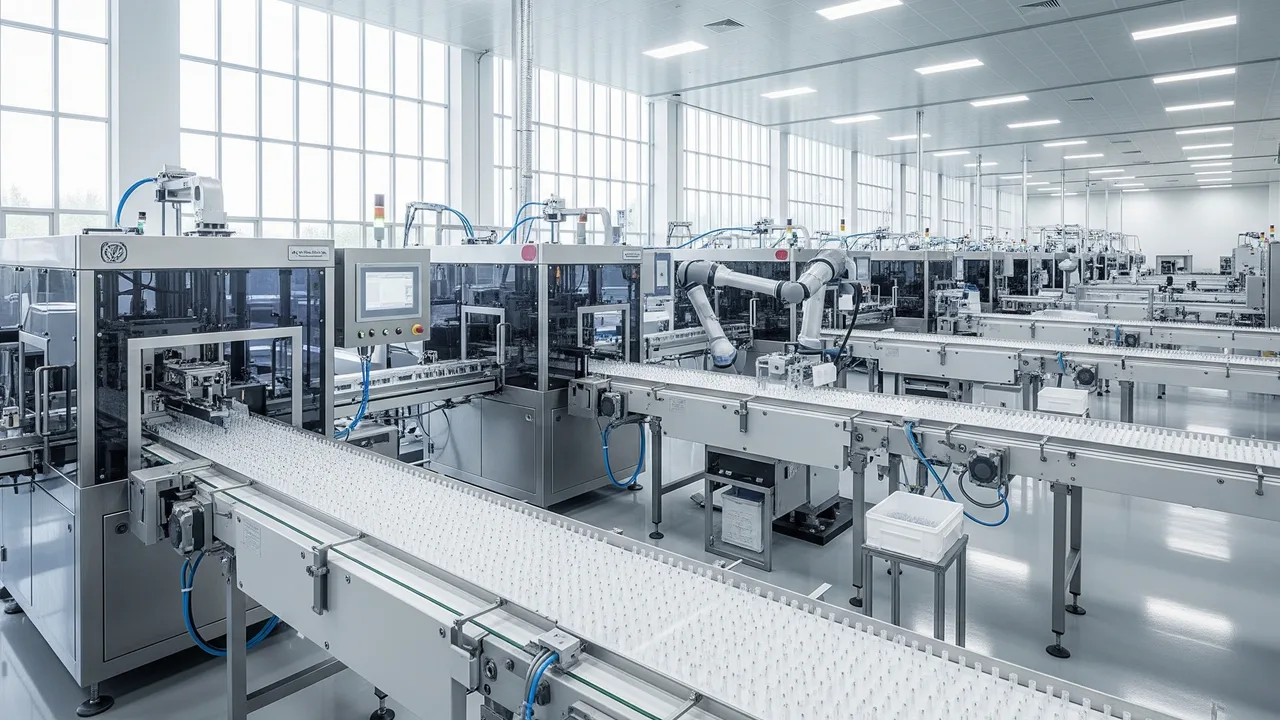
The journey to carbon neutrality is also digital. Smart sensors, IoT networks, and machine learning tools now monitor emissions in real time. These systems analyze data from lighting, ventilation, and production equipment, allowing managers to make instant efficiency improvements. Predictive maintenance—a hallmark of smart manufacturing—prevents breakdowns and energy waste by scheduling repairs before issues escalate.
AI-driven automation further enhances the process. Intelligent production lines adapt in real time to optimize speed, temperature, and material flow. This continuous learning loop enables factories to maintain consistent output with lower resource input, moving industrial operations closer to sustainability without sacrificing productivity.
| Core Strategy | Implementation Example | Impact |
|---|---|---|
| Renewable Energy Integration | Solar, wind, or hydro installations powering facilities | Up to 60% emission reduction |
| Smart Automation | AI monitoring for equipment performance | 15–25% energy efficiency improvement |
| Waste Heat Recovery | Using industrial exhaust to generate power | 10–20% less total energy use |
The Role of Supply Chain and Material Choices
Circular Manufacturing Principles
Beyond energy use, materials represent one of the biggest challenges in achieving a carbon neutral factory. Circular manufacturing addresses this by designing products that can be disassembled, reused, or recycled. Instead of a linear “take-make-dispose” model, circularity creates a continuous loop of value, minimizing waste and resource extraction.
Factories adopting these principles often collaborate closely with suppliers to ensure sustainable sourcing and transparency. Some employ blockchain systems to trace materials throughout their lifecycle, ensuring compliance with environmental standards and ethical labor practices.
Scope 3 Emissions and the Bigger Picture
While operational improvements are essential, true carbon neutrality requires addressing the full scope of emissions—especially Scope 3, which includes indirect impacts from supply chains, product transportation, and end-user activities. These emissions can account for up to 80% of a company’s total footprint.
Progressive manufacturers now work with partners who share the same environmental commitments, forming integrated supply networks focused on collective emission reduction. Transparency and collaboration turn sustainability into a shared responsibility rather than an isolated initiative.
Real-World Examples and Industry Leaders
Automotive and Electronics Sectors Lead the Way
Among the pioneers of industrial sustainability, the automotive and electronics sectors have been the most proactive in implementing carbon neutral factory initiatives. Companies like BMW, Apple, and Siemens have redefined manufacturing benchmarks through the adoption of green energy systems and comprehensive emission reduction programs. Their facilities showcase how automation, clean power, and circular design can coexist with large-scale industrial production.
For instance, Apple’s suppliers in Asia are shifting to 100% renewable energy, while BMW’s plants in Germany are powered primarily by wind and hydroelectric systems. Meanwhile, Siemens operates smart factories where artificial intelligence and sensor networks continuously monitor resource use. These innovations demonstrate that carbon neutrality is achievable even in complex, high-output industries.
Lessons from Global Standards
To maintain credibility and consistency, many manufacturers align with international standards such as ISO 14064, which provides a structured framework for quantifying and reporting greenhouse gas emissions. Other organizations, including the Science Based Targets initiative, validate whether corporate sustainability goals align with climate science. These frameworks prevent misleading claims and ensure that carbon neutrality efforts produce measurable outcomes rather than marketing statements.
Economic and Environmental Benefits
Cost Savings and Long-Term ROI
While achieving carbon neutrality may seem expensive initially, the long-term benefits often outweigh the costs. Energy-efficient systems, waste heat recovery, and renewable integration reduce operational expenses year after year. For many companies, the return on investment comes not only in lower utility bills but also in increased resilience to energy price fluctuations.
Additionally, sustainable manufacturing attracts new markets and customers who prioritize environmental responsibility. Global brands are discovering that sustainability now plays a central role in brand loyalty and investor confidence. As governments introduce stricter emissions regulations, early adopters of carbon neutral factory models are positioning themselves ahead of compliance requirements, gaining both financial and reputational advantages.
Regulatory Compliance and Market Advantage
Many regions now offer tax incentives and green financing for manufacturers that meet specific carbon reduction targets. This shift in policy underscores how sustainability has evolved from a voluntary goal to a regulatory expectation. Factories achieving carbon neutrality gain a competitive edge, accessing preferential trade agreements and green certification programs that open doors to eco-conscious markets.
Challenges on the Road to Net Zero
High Initial Investment
The transition to a carbon neutral factory is not without obstacles. The upfront costs of renewable energy infrastructure, automation systems, and digital monitoring platforms can be substantial. For small and mid-sized manufacturers, limited access to financing often slows progress. However, collaborative investment models—such as shared renewable parks or government-backed green loans—are beginning to ease this burden.
Another barrier is technological maturity. Not all industrial processes can be fully decarbonized yet, particularly in heavy manufacturing sectors where heat-intensive operations still rely on fossil fuels. Continuous research and innovation remain critical to bridging these technical gaps.
Data Accuracy and Greenwashing Risks
Transparency is one of the greatest challenges in sustainable manufacturing. Without standardized reporting, it’s easy for companies to overstate their achievements. The same credibility issues seen in greenwashing within consumer markets can infiltrate industry if emissions data aren’t verified independently.
To address this, manufacturers are adopting real-time digital tracking systems and blockchain-based verification methods. These technologies ensure that every claim—whether about energy efficiency or offset projects—is backed by verifiable data. This data integrity is crucial for maintaining public trust and avoiding the reputational risks of unsubstantiated “green” declarations.
The Future of Carbon Neutral Manufacturing
From Individual Factories to Green Industrial Parks
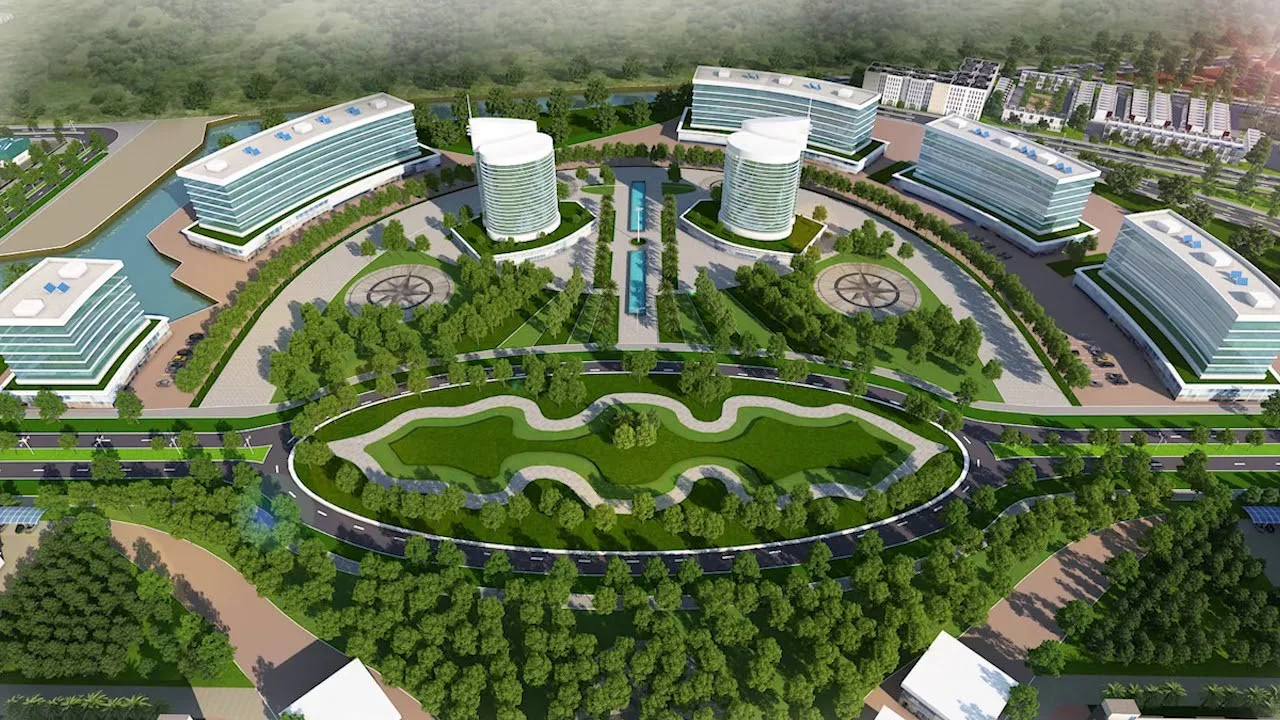
The next evolution of sustainability extends beyond individual facilities. The rise of green industrial parks—clusters of factories sharing renewable energy, waste treatment, and logistics systems—represents a collaborative approach to carbon neutrality. By pooling resources, companies reduce both costs and emissions while maximizing efficiency. These cooperative ecosystems can accelerate progress across entire regions rather than isolated enterprises.
Smart grid integration will play a vital role here. Connected factories can exchange excess renewable energy in real time, balancing demand across the network. This approach transforms traditional industrial zones into symbiotic, self-sustaining energy communities.
The Next Phase — Beyond Carbon Neutral
Some innovators are already setting sights beyond neutrality toward “carbon negative” manufacturing—where operations remove more carbon than they emit. Emerging technologies like carbon capture utilization, green hydrogen, and bio-based materials are turning that ambition into reality. As innovation expands, tomorrow’s carbon neutral factory could evolve into a regenerative production system that actively restores environmental balance.
AI-driven optimization and global transparency tools will further redefine accountability. Instead of static annual reports, continuous data streams will verify sustainability performance dynamically, creating a transparent and self-correcting industrial ecosystem.
Conclusion — Redefining Industrial Responsibility
The industrial revolution of the 21st century is not about mass production—it’s about smart, sustainable production. The rise of the carbon neutral factory proves that environmental responsibility and economic growth can go hand in hand. By combining green energy, digital efficiency, and ethical supply chains, manufacturers are building a foundation for lasting change.
Every ton of emissions avoided, every megawatt of renewable power generated, and every recycled component contributes to a global shift toward resilience. As innovation accelerates, the concept of carbon neutrality will evolve from an ambitious goal to a defining feature of modern industry—where profit no longer comes at the planet’s expense.