The modern workplace is no longer just a place where people sit at desks and complete individual tasks. Today, offices are expected to inspire creativity, encourage communication, and support meaningful collaboration. One design approach that continues to shape this evolution is open office design. By removing physical barriers and creating shared environments, organizations aim to foster stronger connections between employees and unlock the full potential of teamwork.
While open offices have sparked debate over the years, their core purpose remains the same: to create spaces that bring people together. When executed thoughtfully, open environments can transform how teams interact, share ideas, and solve problems. Understanding why open space design boosts collaboration starts with understanding how physical space influences human behavior.
The Evolution of Modern Workspaces
Traditional offices were once dominated by private rooms, cubicles, and closed-door layouts. These designs emphasized hierarchy, privacy, and individual focus. Over time, however, organizations began to recognize that innovation often happens through interaction. Casual conversations, spontaneous brainstorming, and cross-departmental exchanges play a critical role in driving progress.
As a result, companies started shifting toward more open and flexible environments. Open office design emerged as a response to the growing need for collaboration, transparency, and agility. Instead of isolating employees, open spaces aim to create a sense of community—where ideas flow freely and teamwork becomes a natural part of daily work.
Understanding Open Office Design
What Is Open Office Design?
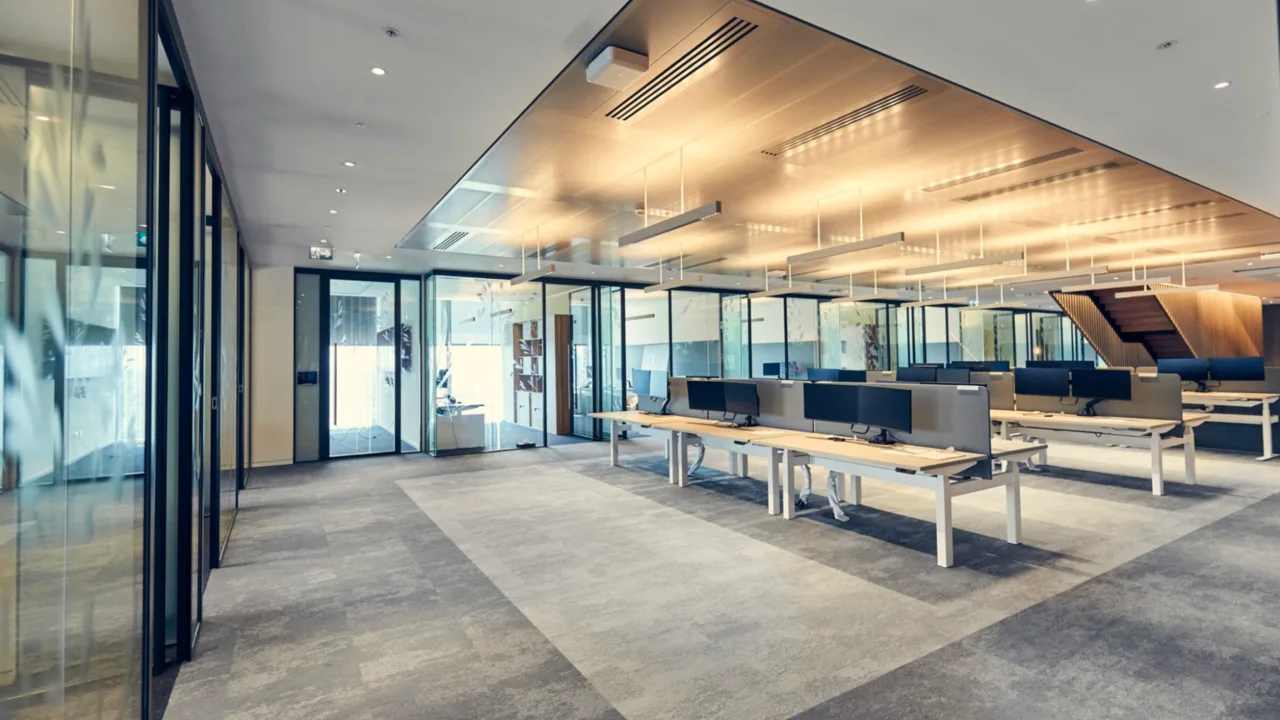
Open office design refers to a workspace layout that minimizes physical barriers between employees. Rather than using high partitions or enclosed offices, open offices rely on shared work areas, low dividers, and multi-purpose zones. The goal is to create visual and physical openness that encourages interaction.
This design approach does not mean eliminating structure altogether. Instead, it focuses on balancing openness with functionality, ensuring that employees can easily communicate while still having access to spaces for focused work.
Key Elements of Open Office Design
- Open workstations: Desks arranged in clusters or rows without tall partitions.
- Collaborative areas: Informal meeting zones, lounges, and breakout spaces.
- Flexible furniture: Modular desks and movable seating.
- Shared amenities: Pantries, cafés, and communal tables.
These elements work together to support both individual productivity and group collaboration.
How Workspace Layout Influences Human Behavior
The Psychology of Space
Physical environments shape how people feel and behave. Open spaces tend to promote a sense of accessibility and approachability. When employees can see one another, they are more likely to initiate conversations, ask questions, and offer support, a principle also explained in environmental psychology studies on how spatial design influences human interaction from the Interaction Design Foundation.
In contrast, closed layouts can unintentionally reinforce silos. When teams are separated by walls and doors, communication often becomes more formal and less frequent. By opening up the environment, organizations reduce psychological barriers as well as physical ones.
Connection Between Workplace Layout and Teamwork
A well-planned workplace layout plays a crucial role in strengthening teamwork. Proximity increases the likelihood of interaction. When team members sit near each other, they can quickly exchange ideas, clarify tasks, and resolve issues without scheduling meetings.
This ease of communication leads to faster decision-making and stronger alignment across teams. Over time, it builds trust and a shared sense of purpose.
Open Office Design and Team Collaboration
Breaking Down Communication Barriers
One of the biggest advantages of open offices is the removal of physical and hierarchical barriers. Without walls separating managers from employees, communication becomes more direct and transparent. Leaders are more accessible, and employees feel more comfortable sharing ideas or concerns.
This openness encourages a culture of collaboration where everyone’s voice has the opportunity to be heard.
Faster Idea Exchange
In open environments, ideas travel quickly. A casual comment can turn into a brainstorming session. A quick question can spark a new approach to solving a problem. These spontaneous interactions often lead to creative breakthroughs that would not happen in more isolated settings.
By enabling faster idea exchange, open office design helps teams adapt quickly and stay innovative.
The Role of Open Space in Creativity
Encouraging Cross-Functional Interaction
When different departments share the same space, cross-functional collaboration becomes more natural. Designers may overhear discussions between marketers, developers may chat with sales teams, and new perspectives emerge organically.
This diversity of interaction fuels creativity and leads to more holistic solutions.
Informal Spaces as Creative Catalysts
Open offices often include informal areas such as lounges, café-style seating, and relaxation zones. These spaces encourage casual conversations that can lead to unexpected ideas. Creativity does not always happen at a desk—it often emerges in relaxed, social settings.
By providing a variety of spaces, organizations support different working styles and creative processes.
Balancing Openness and Privacy
The Need for Quiet Zones
While openness supports collaboration, employees also need spaces for focused work. Too much noise or distraction can reduce productivity. Effective open office environments include designated quiet zones, phone booths, or small rooms for concentration.
This balance ensures that employees can choose the environment that best suits their current task.
Hybrid Office Concepts
Many organizations are adopting hybrid models that combine open areas with private spaces. This approach recognizes that no single layout works for every situation. A hybrid office provides flexibility, allowing employees to move between collaborative and focused environments throughout the day.
When designed thoughtfully, this balance maximizes the benefits of open office design without sacrificing individual performance.
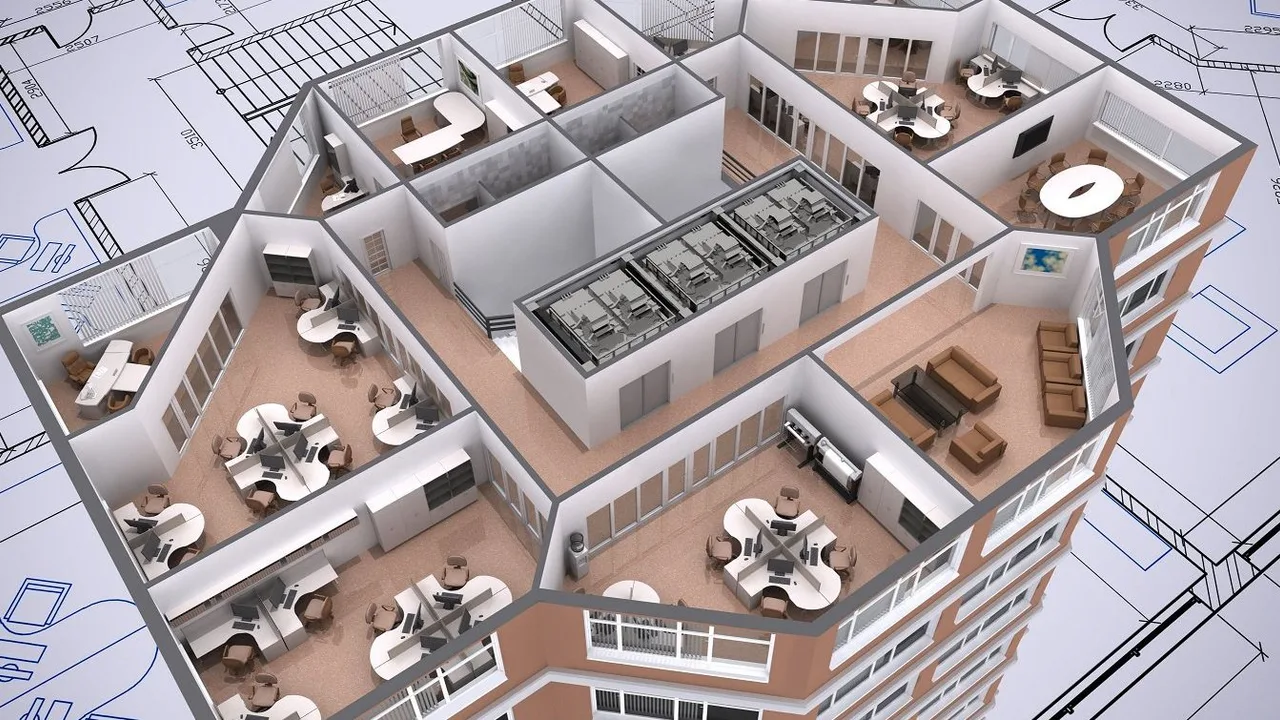
Designing an Effective Open Office
Smart Zoning
One of the most important aspects of successful open office design is zoning. An open space should never be a single, uniform area. Instead, it should be divided into functional zones that support different work modes.
- Collaboration zones: Open areas for brainstorming, quick meetings, and group discussions.
- Focus zones: Quiet areas or desk clusters designed for deep work.
- Meeting spaces: Enclosed or semi-enclosed rooms for formal discussions.
- Social zones: Pantries, lounges, and café-style seating.
By clearly defining these zones, organizations prevent noise and distraction from spreading across the entire office while still preserving openness.
Furniture and Acoustics
Furniture plays a major role in shaping how people interact. Modular desks, movable partitions, and lightweight seating allow teams to reconfigure spaces based on project needs. At the same time, acoustics must be carefully managed.
Acoustic panels, carpets, ceiling baffles, and soft furnishings absorb sound and reduce echo. These elements ensure that conversations remain comfortable and do not disrupt others, supporting both collaboration and concentration.
Benefits of Open Office Design for Organizations
Stronger Team Culture
Open environments naturally encourage people to interact more often. Over time, these small interactions build relationships, trust, and a sense of belonging. Employees feel more connected to their colleagues and to the organization as a whole.
This sense of community strengthens company culture. Teams become more willing to share ideas, support each other, and work toward common goals.
Productivity and Engagement
When communication flows easily, tasks move faster. Questions are answered quickly, feedback is immediate, and decisions require fewer steps. This efficiency can significantly improve productivity.
Employees in well-designed open offices also tend to feel more engaged. They are more aware of what others are working on and how their own efforts contribute to larger objectives.
Common Challenges and How to Solve Them
Noise and Distraction
Noise is the most common criticism of open offices. Without proper planning, open spaces can become overwhelming. However, this challenge can be addressed through zoning, acoustic treatments, and behavioral guidelines.
Establishing norms—such as using collaboration zones for discussions and focus zones for quiet work—helps set expectations and maintain balance.
Overcrowding
An open layout does not mean squeezing more people into less space. Overcrowding reduces comfort and increases stress. Adequate spacing, ergonomic furniture, and clear circulation paths are essential for a healthy environment.
Thoughtful planning ensures that openness enhances, rather than hinders, the employee experience.
The Future of Workplace Design
The future of office design is moving toward flexibility. Rather than committing to a single layout, organizations are creating adaptable spaces that can evolve with changing needs.
Technology will continue to influence how offices function, but human-centered design remains at the core. The most successful workplaces will be those that prioritize connection, well-being, and purpose.
Designing Spaces That Connect People
Open office design is more than a trend—it is a strategic approach to building better workplaces. When implemented thoughtfully, open spaces break down barriers, encourage interaction, and strengthen teamwork.
By balancing openness with privacy, and flexibility with structure, organizations can create environments that truly support collaboration. In doing so, they design not just offices, but ecosystems where people and ideas thrive.